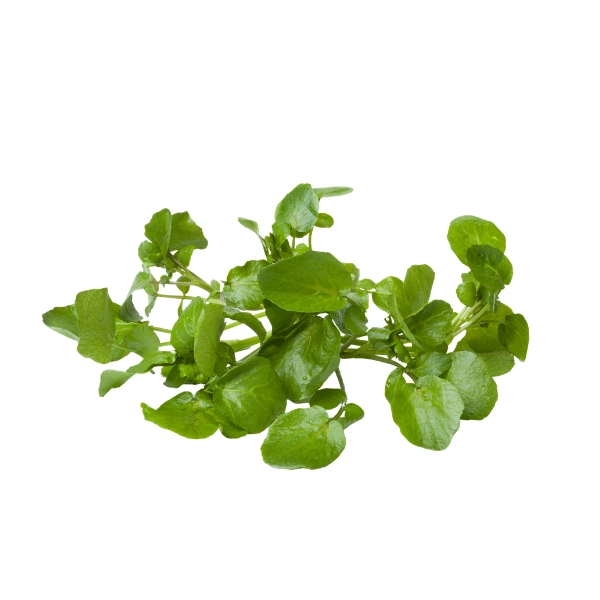
This content is for informational purposes only and does not constitute medical advice. Always consult a qualified healthcare provider before making dietary changes. Histamine tolerance is highly individual.
This information applies to histamine intolerance, DAO deficiency, and MCAS only. If you have a confirmed food allergy, this content does not apply to you. Food allergies involve the immune system and can be life-threatening. Please consult your allergist.
Is Garden cress a trigger for histamine intolerance?
Garden cress scores a ? out of 3 on the SIGHI Food Compatibility List, placing it in the Moderate category.
Garden cress & Histamine, what the evidence says
There isn't enough consistent data on cress to establish its histamine content reliably, so it's reasonable to treat it as an unknown and introduce it cautiously, tracking your own response rather than assuming it behaves like better-studied greens such as lettuce.
Separately, cress belongs to the Brassicaceae family, related to watercress and mustard, and its characteristic peppery, tangy flavor comes largely from glucotropaeolin, a glucosinolate that can break down to form benzyl isothiocyanate (BITC) when the leaves are chopped or chewed. This is a different specific compound from the sulforaphane in broccoli or the phenethyl isothiocyanate in watercress, even though all three come from the same broad family of glucosinolate chemistry. Cress is also notably rich in vitamin K, worth being aware of if you take warfarin or another vitamin K-antagonist anticoagulant, since vitamin K intake needs to stay consistent for these medications to work predictably.
It's also worth distinguishing cress leaf from cress seed when it comes to oxalate. A review of garden cress seed reports oxalate content around 134 mg per 100 g, a moderate amount in the context of other seeds and grains. This figure specifically reflects the seed, though, not the leaf typically eaten as a salad green or garnish. We couldn't find reliable oxalate data measured directly in cress leaf, so its oxalate content shouldn't be assumed to match the seed's.
Does preparation change the risk?
Given the limited histamine data, starting cautiously and in small amounts is reasonable for cress.
| Form | Risk Level | Notes |
|---|---|---|
| Small amount, first trial | Low | A reasonable starting point given the lack of established histamine data |
| Cress sprouts / microgreens | Low | Same consideration as the mature leaf; a common form of consumption |
| Larger, regular servings | Moderate | Worth tracking more closely simply because less is known about cress specifically, not because of any confirmed risk |
Note: Risk levels are based on clinical observations and patient reports, not standardized histamine measurements. Individual tolerance varies.
A food score is a reference, not a verdict.
Histamine intolerance is highly individual. A food that triggers symptoms in one person may be tolerated by another, even within the same category.
Strict elimination may help reduce symptoms initially, but long-term progress often depends on gradual reintroduction and pattern recognition. The goal is not to remove more foods over time, but to understand your personal tolerance and expand your diet when possible.
Tracking symptoms, portions, and context such as stress or timing can provide insights that generalized food lists cannot. This is where informed decisions replace fear-based restriction.
How to test your tolerance
 Treat it as an unknown at first.
Cress doesn't have well-established histamine data the way many other vegetables do. Start with a small amount and track your response rather than assuming it's automatically low-risk.
 Be aware of the vitamin K content if relevant.
Cress is notably rich in vitamin K. If you take warfarin or another vitamin K-antagonist anticoagulant, keeping your intake of vitamin K-rich foods consistent matters more than avoiding them.
 Its peppery taste is a distinct compound.
Cress's bite comes from benzyl isothiocyanate, chemically related to but distinct from the compounds in broccoli or watercress.
- The oxalate figure you may see refers to the seed, not the leaf.
Garden cress seed has documented oxalate content, but that doesn't tell us the oxalate level in the leaf typically eaten as a salad green. Treat them as separate considerations.
 Track your response carefully.
Given the limited data available for cress specifically, logging your experience with MyHistaMap is particularly useful here.
Common questions about Garden cress and histamine
Is cress high in histamine?
Available histamine research doesn't have well-established, consistent data for cress specifically, unlike many other common vegetables. It's reasonable to introduce it cautiously and track your own response.
What gives cress its peppery flavor?
Glucotropaeolin, a glucosinolate compound that can break down to form benzyl isothiocyanate when the leaves are chopped or chewed. This is chemically distinct from the compounds responsible for broccoli's or watercress's flavor, though all are related.
Is cress the same as watercress?
No, though they are related and share a similar peppery flavor family. Garden cress and watercress are different plants with somewhat different glucosinolate profiles.
Why does vitamin K matter for cress specifically?
Cress is particularly rich in vitamin K compared to many other leafy greens, which is relevant mainly if you take warfarin or another vitamin K-antagonist anticoagulant, since those medications require consistent vitamin K intake to work predictably.
Is cress high in oxalate?
The oxalate figure available in the research (around 134 mg per 100g) is for garden cress seed, not the leaf typically eaten as a salad green or garnish. We couldn't find reliable oxalate data measured directly in cress leaf, so it shouldn't be assumed to match the seed's.
Some people find these options helpful
Supplements are optional tools, not a solution. Personal tracking and identifying your individual triggers remains the priority.
Where this information comes from
At MyHistaMap we curate information from peer reviewed research and recognized medical sources. This guide is a reference tool, not a medical prescription. Always track your own reactions and consult your healthcare provider.
References
- Isothiocyanates, Linus Pauling Institute, Oregon State University: confirms garden cress is rich in glucotropaeolin, the glucosinolate precursor of benzyl isothiocyanate (BITC), distinct from the glucosinolates that produce sulforaphane in broccoli or phenethyl isothiocyanate (PEITC) in watercress, the source for the flavor chemistry described on this page.
- USDA FoodData Central nutrient data for raw garden cress, cited across multiple nutrition databases, lists vitamin K content at approximately 542 micrograms per 100g (over 450% of the Daily Value), the source for this page's note on cress's notably high vitamin K content.
- Azene, Habte & Tkuwab, Nutritional, Health Benefits and Toxicity of Underutilized Garden Cress Seeds and Its Functional Food Products, Food Production, Processing and Nutrition, 2022: reports oxalate content of raw garden cress seed at 134.0 mg per 100g, citing Zia-Ul-Haq et al. (2012). The source for this page's oxalate figure, specific to the seed rather than the leaf.