This content is for informational purposes only and does not constitute medical advice. Always consult a qualified healthcare provider before making dietary changes. Histamine tolerance is highly individual.
This information applies to histamine intolerance, DAO deficiency, and MCAS only. If you have a confirmed food allergy, this content does not apply to you. Food allergies involve the immune system and can be life-threatening. Please consult your allergist.
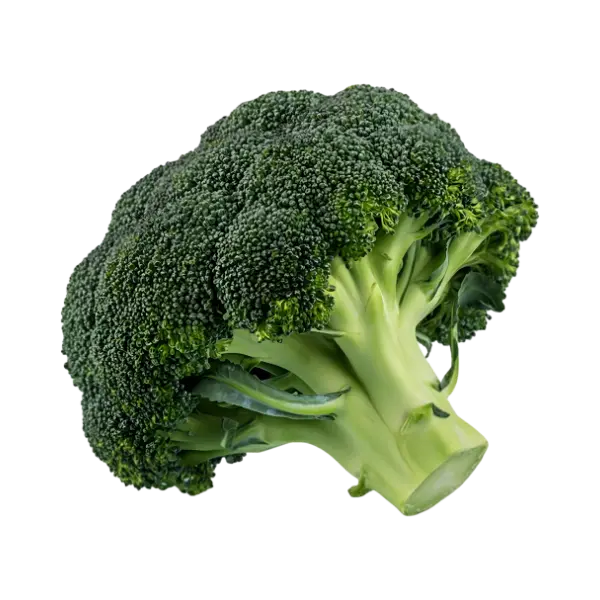
Is Broccoli a trigger for histamine intolerance?
Broccoli scores a 0 out of 3 on the SIGHI Food Compatibility List, placing it in the Safe category.
Broccoli & Histamine, what the evidence says
Broccoli isn't associated with meaningful histamine content, which puts it favorably on a low-histamine approach.
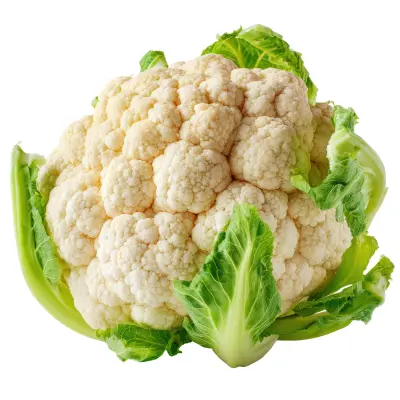
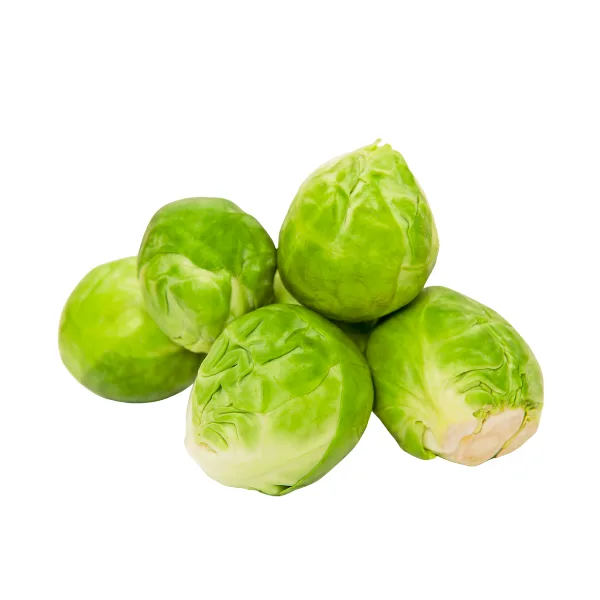
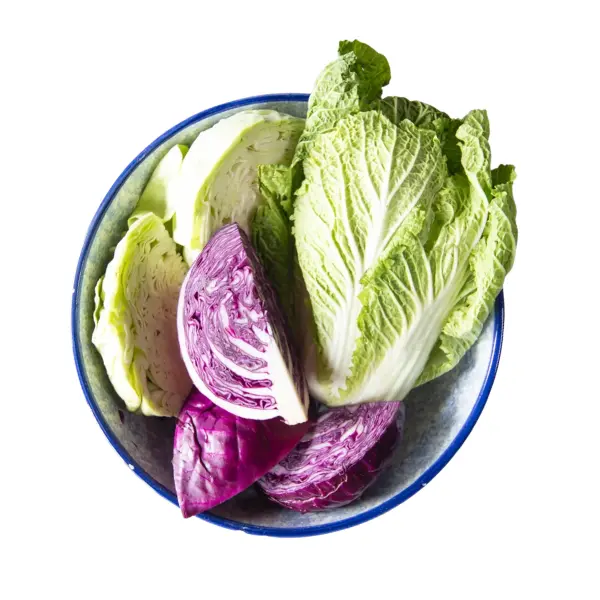
What's more likely to cause gas or bloating after eating broccoli is the way your gut handles its fermentable carbohydrates, rather than histamine. Broccoli is a cruciferous vegetable containing various carbohydrates and sulfur-containing compounds called glucosinolates. These compounds are processed by the gut in different ways, and some people may notice more gas or digestive discomfort after eating larger portions. If you feel bloated after broccoli, it's worth keeping portion size and your individual tolerance in mind rather than automatically assuming a histamine reaction.
Broccoli also contains a small amount of quercetin, a flavonoid found in many plant foods and used in some supplements marketed for histamine support. The amount in broccoli is much lower than a typical supplement dose. Cooking can change the amount of quercetin and other flavonoids that remain in the food, with the effect depending on the cooking method.
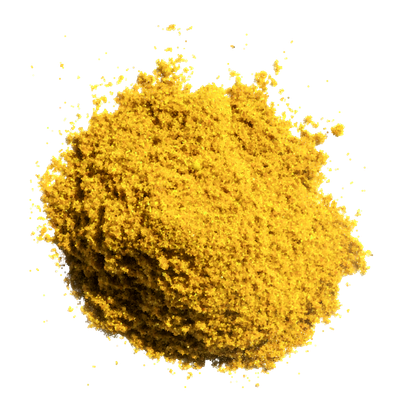
Broccoli is also well known for sulforaphane, a compound researchers have studied for its antioxidant effects, though this isn't related to histamine either. If you're interested in getting more sulforaphane from broccoli, chopping it and letting it sit for a few minutes before cooking gives its natural enzymes time to start the conversion process. Adding a small amount of raw mustard powder to cooked broccoli can also increase sulforaphane formation because mustard provides the enzyme needed for this reaction.
Separately, broccoli is also notably high in salicylates, a different group of plant compounds from histamine. This shows up consistently in reference lists that track salicylate content specifically, distinct from the fermentable carbohydrates and sulfur-containing compounds discussed above. It's worth knowing for anyone managing salicylate sensitivity alongside histamine intolerance, since digestive discomfort after broccoli can have more than one possible explanation.
Does preparation change the risk?
Portion size and cooking matter more for digestive comfort and salicylate exposure than for histamine here.
| Form | Risk Level | Notes |
|---|---|---|
| Cooked, moderate portion (florets) | Low | Usually the most comfortable way to eat it |
| Raw or large portion | Moderate | Higher chance of gas and digestive discomfort, unrelated to histamine |
| Large portion of stalks | Moderate | Stalks carry more fermentable carbohydrate content than florets at larger amounts |
| Broccoli sprouts | Low | Typically eaten in small amounts, so less likely to cause digestive discomfort |
Note: Risk levels are based on clinical observations and patient reports, not standardized histamine measurements. Individual tolerance varies.
A food score is a reference, not a verdict.
Histamine intolerance is highly individual. A food that triggers symptoms in one person may be tolerated by another, even within the same category.
Strict elimination may help reduce symptoms initially, but long-term progress often depends on gradual reintroduction and pattern recognition. The goal is not to remove more foods over time, but to understand your personal tolerance and expand your diet when possible.
Tracking symptoms, portions, and context such as stress or timing can provide insights that generalized food lists cannot. This is where informed decisions replace fear-based restriction.
How to test your tolerance
 Don't mistake gas for a histamine reaction.
Bloating after broccoli usually comes from how your gut handles its fermentable carbohydrates, not histamine. If this happens consistently, it's more of a digestive pattern than a histamine one.
 Cook it if gas is an issue.
Cooking can change how broccoli's compounds are processed. If raw broccoli bothers you, lightly cooked is usually easier to handle.
 Watch portion size, especially with stalks.
Larger portions, particularly of the stalk, are more likely to cause digestive discomfort than florets in a moderate serving.
 Boost sulforaphane if you're curious.
Chop broccoli and let it sit a few minutes before cooking, or add a pinch of raw mustard powder after cooking. Neither of these affects histamine, though.
 Consider salicylate sensitivity separately.
Broccoli is notably high in salicylates. If you also react to aspirin or other salicylate-rich foods, this is worth tracking apart from histamine.
 Track your response if trying it new.
Even well-tolerated vegetables are worth a brief note in MyHistaMap when first introduced.
Common questions about Broccoli and histamine
Is broccoli high in histamine?
No, broccoli isn't linked to meaningful histamine levels.
Why do I get gassy after eating broccoli?
Broccoli contains fermentable carbohydrates and sulfur compounds that your gut processes and, in some cases, ferments, which can produce gas. This is a digestive issue tied to portion size and individual tolerance, not a histamine reaction.
Does broccoli support DAO or histamine metabolism at all?
It contains a small amount of quercetin, a flavonoid used in some supplements marketed for histamine support, but at levels far below a supplement dose.
Does sulforaphane matter for histamine intolerance?
Not really. Sulforaphane is a separate, well-researched compound tied to antioxidant activity, unrelated to histamine intolerance.
Is broccoli high in salicylates?
Yes, notably so. This is a separate consideration from histamine, worth knowing if you're also managing salicylate sensitivity.
Some people find these options helpful
Supplements are optional tools, not a solution. Personal tracking and identifying your individual triggers remains the priority.
Where this information comes from
At MyHistaMap we curate information from peer reviewed research and recognized medical sources. This guide is a reference tool, not a medical prescription. Always track your own reactions and consult your healthcare provider.
References
- Content of Ascorbic Acid, Quercetin, Kaempferol and Total Phenolics in Commercial Broccoli, Journal of Food Composition and Analysis, 2009 (citing USDA/ARS 2007 data): quercetin levels in commercial broccoli ranged up to 13.7 mg/100g fresh weight. The source for this page's quercetin content figures.
- Sulforaphane-Enriched Extracts From Glucoraphanin-Rich Broccoli, 2021: confirms sulforaphane forms from glucosinolates via the enzyme myrosinase, either from the vegetable's own enzyme activity or from an external myrosinase source like mustard powder after cooking destroys the broccoli's own enzyme. The source for this page's sulforaphane preparation section.
- Broccoli, Monash University FODMAP Blog: rates broccoli florets as low FODMAP at typical serving sizes, with the stalk carrying more fermentable carbohydrate content at larger portions. The source for this page's distinction between florets and stalks.
- RPAH Elimination Diet Handbook, Swain, Soutter & Loblay, Royal Prince Alfred Hospital Allergy Unit, 2011: lists broccoli in the high salicylate category for vegetables. The source for this page's salicylate classification.