This content is for informational purposes only and does not constitute medical advice. Always consult a qualified healthcare provider before making dietary changes. Histamine tolerance is highly individual.
This information applies to histamine intolerance, DAO deficiency, and MCAS only. If you have a confirmed food allergy, this content does not apply to you. Food allergies involve the immune system and can be life-threatening. Please consult your allergist.
Is Zucchini a trigger for histamine intolerance?
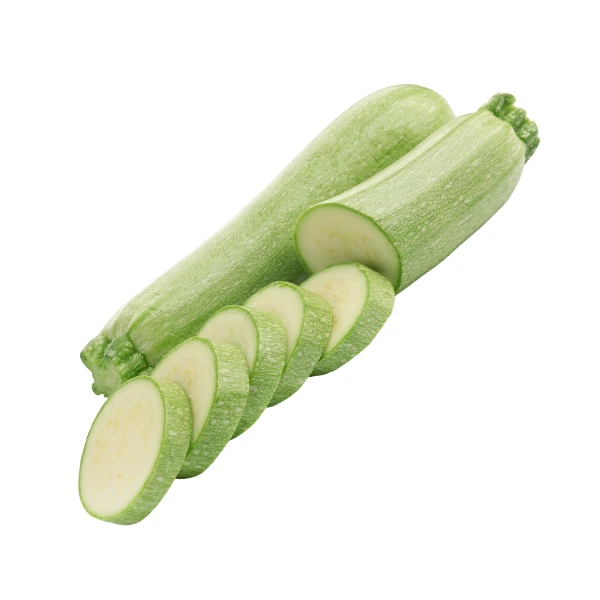
Zucchini scores a 0 out of 3 on the SIGHI Food Compatibility List, placing it in the Safe category.
Zucchini & Histamine, what the evidence says
Zucchini is not associated with meaningful histamine content, making it a generally favorable food for a low-histamine approach. There is no clear evidence that ordinary cooking substantially changes its histamine profile, so fresh and simply cooked zucchini can generally be considered from the same histamine perspective.
Separately, zucchini and other members of the Cucurbitaceae family, including squash and pumpkin, can occasionally produce cucurbitacins, extremely bitter compounds that can cause a form of food poisoning sometimes called toxic squash syndrome. Reported symptoms include rapid-onset nausea, vomiting, and diarrhea, with severe cases potentially causing gastrointestinal bleeding or dangerously low blood pressure. French Poison Control Centers identified 353 such cases between 2012 and 2016; among cases where the source was known, just over half involved home-grown produce, with the remainder coming from commercially purchased squash.
Cucurbitacins are heat-stable, so cooking does not reliably neutralize them. The most useful practical warning sign is an unusually strong bitterness: if zucchini or summer squash tastes distinctly and intensely bitter, it should be discarded rather than cooked or eaten.
Does preparation change the risk?
Bitterness, not preparation method, is the key safety signal for zucchini.
| Form | Risk Level | Notes |
|---|---|---|
| Normal-tasting zucchini, any preparation | Low | Not associated with meaningful histamine content; commercially bred varieties rarely develop meaningful cucurbitacin levels |
| Home-grown, unusual bitterness | High | Discard rather than cook; cucurbitacins are heat-stable and not neutralized by cooking |
| Juiced / blended | Moderate | Juicing can concentrate cucurbitacins if present; bitterness may be more noticeable and more concentrated in this form |
Note: Risk levels are based on clinical observations and patient reports, not standardized histamine measurements. Individual tolerance varies.
A food score is a reference, not a verdict.
Histamine intolerance is highly individual. A food that triggers symptoms in one person may be tolerated by another, even within the same category.
Strict elimination may help reduce symptoms initially, but long-term progress often depends on gradual reintroduction and pattern recognition. The goal is not to remove more foods over time, but to understand your personal tolerance and expand your diet when possible.
Tracking symptoms, portions, and context such as stress or timing can provide insights that generalized food lists cannot. This is where informed decisions replace fear-based restriction.
How to test your tolerance
 Taste-test before cooking, especially home-grown.
A small raw taste can reveal unusual bitterness before you commit an entire dish. This matters more for home-grown or farmers-market zucchini than commercially bred, store-bought varieties.
 Discard, don't cook, if bitter.
Cucurbitacins are heat-stable. Cooking will not make a bitter zucchini safe to eat, throw it out instead.
- Be extra cautious with juicing.
Juicing or blending zucchini can concentrate any cucurbitacins present, and several documented poisoning cases have involved homemade cucurbit juices or smoothies.
 Home gardeners: watch for cross-pollination.
Ornamental gourds and wild cucurbits, which are naturally higher in cucurbitacins, can occasionally cross-pollinate with garden squash, increasing bitterness risk in the resulting fruit.
 Track your response if trying it new.
Even well-tolerated vegetables are worth a brief note in the MyHistaMap app when first introduced.
Common questions about Zucchini and histamine
Is zucchini high in histamine?
No. Zucchini is not associated with meaningful histamine content.
What is toxic squash syndrome?
A real, documented condition caused by cucurbitacins, extremely bitter compounds occasionally found in zucchini and related vegetables. It causes rapid-onset nausea, vomiting, and diarrhea, and in severe cases, gastrointestinal bleeding or low blood pressure.
Can cooking make a bitter zucchini safe to eat?
No. Cucurbitacins are heat-stable and are not destroyed by cooking. If a zucchini tastes distinctly bitter, it should be discarded, not cooked.
How common is this kind of poisoning?
It's uncommon but real, French Poison Control Centers documented 353 cases in a four-year period, involving both home-grown and store-bought produce.
Some people find these options helpful

Supplements are optional tools, not a solution. Personal tracking and identifying your individual triggers remains the priority.
Where this information comes from
At MyHistaMap we curate information from peer reviewed research and recognized medical sources. This guide is a reference tool, not a medical prescription. Always track your own reactions and consult your healthcare provider.
References
- SIGHI (Swiss Interest Group Histamine Intolerance) Food Compatibility List, version 2024-08-29: rates courgette (zucchini) 0 with no liberator, amine, or blocker designation, the basis for the low-histamine classification used on this page.
- Le Roux, Boels et al., Poisoning by non-edible squash: retrospective series of 353 patients from French Poison Control Centers, Clinical Toxicology, 2018: documented 353 poisoning cases linked to bitter cucurbitacin-containing squash reported to French Poison Control Centers between 2012 and 2016, and recommended disposing of any squash with a bitter taste.
- Beware of inedible gourds!, Agence nationale de sécurité sanitaire de l'alimentation, de l'environnement et du travail (ANSES): confirms that cucurbitacins are not destroyed by cooking, and that among cases where the source was known, 54% of bitter gourds came from home gardens and 46% were purchased commercially, the source for the home-grown/commercial split described on this page.