This content is for informational purposes only and does not constitute medical advice. Always consult a qualified healthcare provider before making dietary changes. Histamine tolerance is highly individual.
This information applies to histamine intolerance, DAO deficiency, and MCAS only. If you have a confirmed food allergy, this content does not apply to you. Food allergies involve the immune system and can be life-threatening. Please consult your allergist.
Is Gourds a trigger for histamine intolerance?
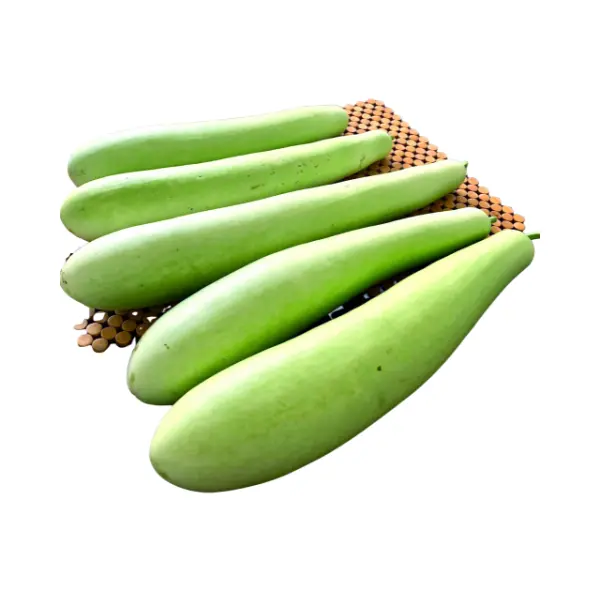
Gourds scores a 0 out of 3 on the SIGHI Food Compatibility List, placing it in the Safe category.
Gourds & Histamine, what the evidence says
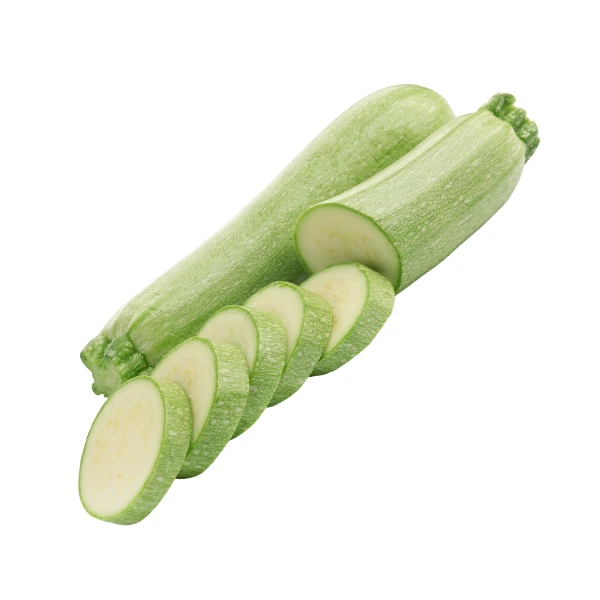
Gourds are not associated with meaningful histamine content, which generally places them favorably on a low-histamine approach.
The more important safety consideration with gourds isn't histamine, but cucurbitacin toxicity, sometimes called toxic squash syndrome. Bottle gourd (Lagenaria siceraria, also known as lauki, calabash, or opo squash) is well documented in poisoning cases. The symptoms can include severe vomiting, diarrhea, abdominal pain, gastrointestinal bleeding, and dangerously low blood pressure. Rare cases have also involved hair loss after the initial illness resolved.
Cucurbitacins are responsible for the intense bitterness that can indicate unusually high cucurbitacin levels, and cooking does not destroy them. If a gourd or squash tastes unusually bitter, do not eat it, even if it has already been cooked. Homemade bottle gourd juice is a particular concern because several documented poisonings involved concentrated juice made from bitter fruit.
Does preparation change the risk?
Bitterness is the critical safety signal for any gourd, regardless of preparation.
| Form | Risk Level | Notes |
|---|---|---|
| Normal-tasting, cooked | Low | Not associated with meaningful histamine content; standard preparation of a non-bitter gourd. |
| Unusually bitter, any preparation | High | Discard immediately - this signals cucurbitacin content, which cooking does not neutralize. |
| Juiced (bottle gourd juice) | High | Documented poisoning cases have specifically involved homemade gourd juice; taste-test before juicing. |
Note: Risk levels are based on clinical observations and patient reports, not standardized histamine measurements. Individual tolerance varies.
A food score is a reference, not a verdict.
Histamine intolerance is highly individual. A food that triggers symptoms in one person may be tolerated by another, even within the same category.
Strict elimination may help reduce symptoms initially, but long-term progress often depends on gradual reintroduction and pattern recognition. The goal is not to remove more foods over time, but to understand your personal tolerance and expand your diet when possible.
Tracking symptoms, portions, and context such as stress or timing can provide insights that generalized food lists cannot. This is where informed decisions replace fear-based restriction.
How to test your tolerance
 Taste a small piece raw before cooking or juicing.
This is the single most reliable safeguard against cucurbitacin toxicity, since these compounds are heat-stable and can't be cooked away.
 Never drink bitter gourd juice.
Juicing concentrates cucurbitacins if present, and documented poisoning cases have specifically involved homemade bottle gourd juice consumed for wellness purposes.
- Seek medical attention if symptoms appear.
Rapid-onset vomiting, diarrhea, or abdominal pain within minutes of eating a bitter gourd warrants prompt medical evaluation - there's no home antidote, but supportive care is effective.
 Be cautious with home-grown or unfamiliar sources.
Most documented cases involve home-grown produce or informally sourced gourds rather than routine commercial supermarket vegetables.
 Track your response if trying a new gourd.
Even well-tolerated vegetables are worth a brief note in the MyHistaMap app when first introduced.
Common questions about Gourds and histamine
Are gourds high in histamine?
No. Gourds are not associated with meaningful histamine content.
What is toxic squash syndrome, and why does it matter for gourds?
It's a real, documented poisoning caused by cucurbitacins, extremely bitter compounds occasionally present in gourds. Bottle gourd (lauki) is the species most often implicated in serious case reports, including hospitalizations.
Can I cook away the bitterness to make a gourd safe?
No. Cucurbitacins are heat-stable and are not destroyed by cooking. A bitter-tasting gourd should be discarded, not prepared.
Is bottle gourd juice safe to drink?
Only if the gourd tastes completely normal, not bitter. Several documented poisoning cases have specifically involved homemade bottle gourd juice, since juicing can concentrate any cucurbitacins present.
Some people find these options helpful

Supplements are optional tools, not a solution. Personal tracking and identifying your individual triggers remains the priority.
Where this information comes from
At MyHistaMap we curate information from peer reviewed research and recognized medical sources. This guide is a reference tool, not a medical prescription. Always track your own reactions and consult your healthcare provider.
References
- Bitter-Tasting Squash Can Cause Toxicity, Poison Control (National Capital Poison Center): cucurbitacins, the compounds responsible for the bitter taste in toxic squash and gourds, cannot be inactivated by heat, so cooking, boiling, or baking a bitter-tasting gourd does not make it safe to eat.
- Ho et al., Bitter Bottle Gourd (Lagenaria siceraria) Toxicity, Journal of Emergency Medicine, 2014: five adult patients developed nausea, vomiting, and diarrhea within 5 to 25 minutes of ingesting cooked bitter bottle gourd, with one patient requiring hospitalization for hematemesis and hypotension, confirming that cooking does not prevent cucurbitacin poisoning.
- Assouly P., Hair Loss Associated With Cucurbit Poisoning, JAMA Dermatology, 2018: documents delayed-onset hair loss following cucurbitacin poisoning from bitter gourd, consistent with the compound's antimitotic properties. The source for this page's note on hair loss as a rare after-effect.