This content is for informational purposes only and does not constitute medical advice. Always consult a qualified healthcare provider before making dietary changes. Histamine tolerance is highly individual.
This information applies to histamine intolerance, DAO deficiency, and MCAS only. If you have a confirmed food allergy, this content does not apply to you. Food allergies involve the immune system and can be life-threatening. Please consult your allergist.
Is Duck a trigger for histamine intolerance?
Duck scores a 0 out of 3 on the SIGHI Food Compatibility List, placing it in the Safe category.
Duck & Histamine, what the evidence says
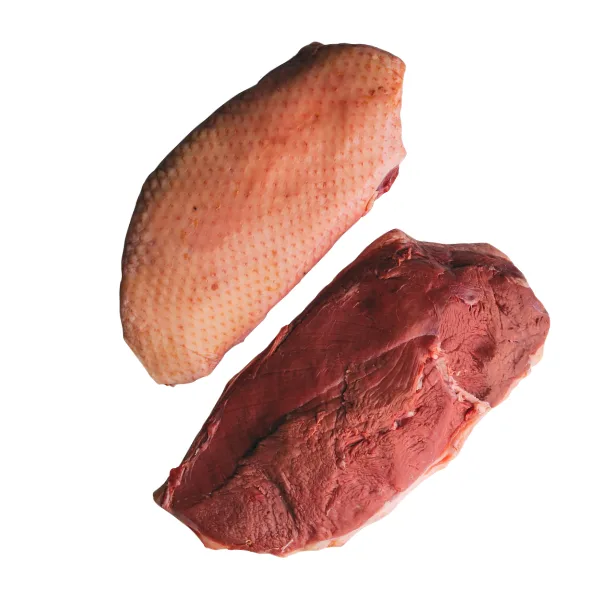
Duck follows the same freshness-driven pattern as other fresh poultry: it's naturally low in histamine, but it's also highly perishable, so histamine can build up quickly if it isn't kept cold and cooked or frozen promptly. The freshness chain matters more than anything about duck itself.
Duck skin and fat are worth a specific note because duck has a much thicker skin and fat layer than chicken. These parts can be more vulnerable to bacterial contamination and spoilage when the duck isn't kept properly refrigerated, making careful handling and storage especially important.
Separately, duck liver, most commonly eaten as foie gras or pâté, is a different story from duck meat itself. It's named alongside beef, chicken, and lamb liver in clinical low-tyramine diet guidance for people taking MAOI antidepressants, a medication-related risk unrelated to histamine intolerance.
Does preparation change the risk?
Freshness and handling drive duck's histamine risk more than any other factor, with duck liver as a separate consideration.
| Form | Risk Level | Notes |
|---|---|---|
| Fresh / Flash-frozen duck breast | Low | Lowest histamine option if kept cold and cooked or frozen promptly |
| Whole duck, skin-on | Moderate | The thicker skin and fat layer are more vulnerable to bacterial contamination if not kept properly refrigerated |
| Ground or minced duck | Moderate | More surface area leads to faster histamine buildup, similar to other ground meats |
| Duck liver / Foie gras / Pâté | Moderate | Not a major histamine concern on its own, but relevant for tyramine if taking an MAOI antidepressant |
| Peking duck / Restaurant duck (pre-cooked, held or reheated) | High | Extended holding time and reheating give bacteria more opportunity to act; sauces and marinades add separate considerations |
Note: Risk levels are based on clinical observations and patient reports, not standardized histamine measurements. Individual tolerance varies.
A food score is a reference, not a verdict.
Histamine intolerance is highly individual. A food that triggers symptoms in one person may be tolerated by another, even within the same category.
Strict elimination may help reduce symptoms initially, but long-term progress often depends on gradual reintroduction and pattern recognition. The goal is not to remove more foods over time, but to understand your personal tolerance and expand your diet when possible.
Tracking symptoms, portions, and context such as stress or timing can provide insights that generalized food lists cannot. This is where informed decisions replace fear-based restriction.
How to test your tolerance
 Buy flash-frozen when possible.
Suppliers that freeze duck shortly after processing limit the time available for amine buildup.
- Refrigerate whole duck carefully and promptly.
The thicker skin and fat layer need consistent cold storage, more so than a leaner cut like chicken breast.
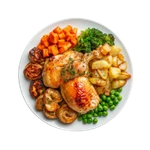 Be cautious with restaurant duck dishes.
Peking duck and similar preparations are often cooked ahead and held or reheated, and sauces can add their own considerations beyond the duck itself.
 Know the medication interaction if you take an MAOI.
Duck liver and foie gras are included in some low-tyramine diet guidance for people on MAOI antidepressants, a separate consideration from histamine.
 Favor prompt cooking over extended low-heat methods.
Once duck is fresh and well handled, cooking it promptly limits further bacterial activity.
 Track your response in MyHistaMap.
Log the form, freshness, and preparation method to identify which handling practices work best for your personal tolerance.
Common questions about Duck and histamine
Is duck higher in histamine than chicken?
Fresh duck itself isn't inherently higher in histamine than chicken. The main difference is duck's thicker skin and fat layer, which can be more vulnerable to bacterial contamination if not kept properly refrigerated.
Is duck fat a histamine concern?
Duck fat itself isn't the issue. The concern is that the skin and surrounding tissue can support bacterial growth more readily when storage or handling isn't careful, not that the fat itself contains or produces histamine.
Can duck liver or foie gras affect me if I take an antidepressant?
Duck liver and foie gras are named alongside beef, chicken, and lamb liver in some clinical low-tyramine diet guidance for people taking MAOI antidepressants. This is a separate medication interaction, not a histamine intolerance symptom.
Why do I react to Peking duck at restaurants?
Restaurant duck is often cooked ahead of time and held or reheated before serving, giving bacteria more opportunity to act. The hoisin sauce and other accompaniments can also introduce their own triggers separate from the duck itself.
Some people find these options helpful





Supplements are optional tools, not a solution. Personal tracking and identifying your individual triggers remains the priority.
Where this information comes from
At MyHistaMap we curate information from peer reviewed research and recognized medical sources. This guide is a reference tool, not a medical prescription. Always track your own reactions and consult your healthcare provider.
References
- Meat, Seafood, Eggs and Cooking Fats: Low FODMAP?, Monash University FODMAP Blog: confirms duck is high in protein and does not contain carbohydrates or fermentable sugars, and specifically warns that added sauces, marinades, or spice mixes may be high in FODMAPs. The source for this page's FODMAP classification of plain duck.
- RPAH Elimination Diet Handbook, Swain, Soutter & Loblay, Royal Prince Alfred Hospital Allergy Unit, 2011: classifies duck without skin as moderate and duck with skin as high in natural food chemicals, both marked for amines only, without a salicylate designation. The source for this page's oxalate, salicylate, and lectin classification.
- MAOI (Monoamine Oxidase Inhibitors) Diet Sheet, West Suffolk NHS Foundation Trust: lists liver, including duck liver, among foods to avoid on a low-tyramine diet for MAOI antidepressants. The source for this page's duck liver/foie gras tyramine caution.