This content is for informational purposes only and does not constitute medical advice. Always consult a qualified healthcare provider before making dietary changes. Histamine tolerance is highly individual.
This information applies to histamine intolerance, DAO deficiency, and MCAS only. If you have a confirmed food allergy, this content does not apply to you. Food allergies involve the immune system and can be life-threatening. Please consult your allergist.
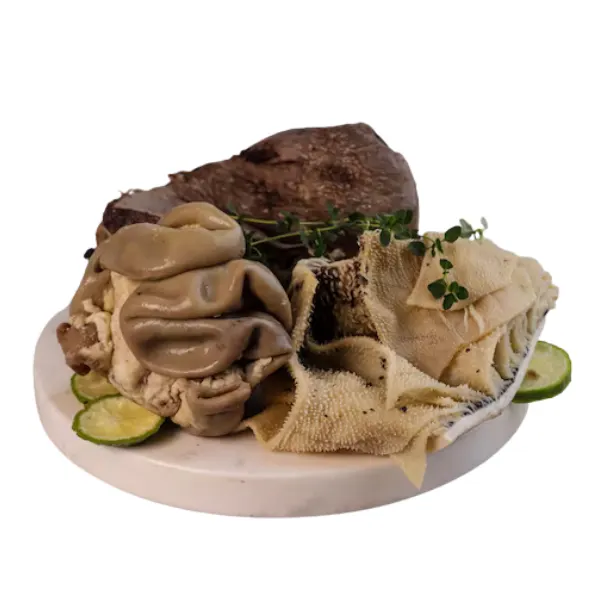
Is Entrails / Innards a trigger for histamine intolerance?
Entrails / Innards scores a 2 out of 3 on the SIGHI Food Compatibility List, placing it in the Moderate category. It is also classified on some reference lists as a potential histamine liberator. This reflects the reference list's classification rather than a confirmed mast-cell mechanism, since research specifically testing this hasn't provided strong support for it.
Entrails / Innards & Histamine, what the evidence says
Entrails, also called offal or innards, aren't necessarily like muscle meat when it comes to histamine. Some organs can contain higher levels of biogenic amines than muscle meat, even when fresh. A study measuring biogenic amines in chicken liver, for example, found consistently higher levels of every amine tested, including histamine, compared with muscle meat from the same bird.
Because some organ meats can already contain more amines than other cuts, freshness and quick handling matter even more here than with muscle meat. The same time and temperature rules apply, just with less room for error.
Separately, liver can carry a medication-related risk that has nothing to do with histamine intolerance directly: tyramine buildup in people taking monoamine oxidase inhibitors (MAOIs), a class of antidepressants. Liver is commonly named alongside aged cheese in low-tyramine diet guidance, and in someone taking an MAOI, excessive tyramine can trigger a sudden, sharp spike in blood pressure known as a hypertensive crisis.
Liver carries a separate safety consideration unrelated to histamine: it's naturally very high in vitamin A, and eating it regularly or in large amounts can lead to vitamin A buildup over time. This is why health guidance in several countries advises pregnant women specifically to limit or avoid liver, since too much vitamin A during pregnancy has been linked to developmental effects. This has nothing to do with histamine intolerance; it's a general food safety consideration that applies to anyone eating liver regularly, not just people sensitive to histamine.
Does preparation change the risk?
Freshness matters for all entrails, but liver carries two additional considerations that have nothing to do with histamine.
| Form | Risk Level | Notes |
|---|---|---|
| Fresh liver, kidney, or other organ meat (flash-frozen or cooked promptly) | Moderate | Can start with higher amine levels than muscle meat even when fresh; quick handling matters more here |
| Organ meat that sat out or was refrigerated too long | High | Less room for error than muscle meat, given the higher starting point |
| Liver pâté or liver-based spreads | Moderate | Also relevant for tyramine if taking an MAOI antidepressant |
| Liver eaten regularly or in large portions | Moderate | A vitamin A consideration, separate from histamine; relevant during pregnancy specifically |
| Tripe, heart, or other non-liver organ meat, fresh | Moderate | Freshness and quick handling still apply; less studied than liver specifically |
Note: Risk levels are based on clinical observations and patient reports, not standardized histamine measurements. Individual tolerance varies.
A food score is a reference, not a verdict.
Histamine intolerance is highly individual. A food that triggers symptoms in one person may be tolerated by another, even within the same category.
Strict elimination may help reduce symptoms initially, but long-term progress often depends on gradual reintroduction and pattern recognition. The goal is not to remove more foods over time, but to understand your personal tolerance and expand your diet when possible.
Tracking symptoms, portions, and context such as stress or timing can provide insights that generalized food lists cannot. This is where informed decisions replace fear-based restriction.
How to test your tolerance
 Handle entrails with extra care on timing.
Since organ meat can already carry more amines than muscle meat, the freshness window is narrower.
 Buy flash-frozen when possible.
This limits the time available for amine buildup, especially important for organ meat.
 Know the medication interaction if you take an MAOI.
Liver is consistently named in low-tyramine diet guidance, a separate consideration from histamine.
 If pregnant, check current guidance on liver specifically.
This is a vitamin A consideration unrelated to histamine, and applies to anyone, not just people with histamine intolerance.
- Keep portions moderate.
This applies to both the histamine and vitamin A considerations, since both relate partly to how much and how often liver is eaten.
 Track your response in MyHistaMap.
Log the specific organ, freshness, and preparation method, since entrails vary more than muscle meat.
Common questions about Entrails / Innards and histamine
Is liver higher in histamine than regular meat?
It can be. A study measuring biogenic amines in chicken liver found consistently higher levels of every amine tested, including histamine, compared with muscle meat from the same bird.
Can liver affect me if I take an antidepressant?
Liver is commonly included in low-tyramine diet guidance for people taking MAOI antidepressants. This is a separate medication interaction, not a histamine intolerance symptom.
Is it true I should avoid liver during pregnancy?
Health guidance in several countries advises pregnant women to limit or avoid liver because of its high vitamin A content, not because of histamine. Too much vitamin A during pregnancy has been linked to developmental effects.
Are all organ meats the same for histamine risk?
Not necessarily. Most of the available research focuses on liver specifically. Other organ meats like tripe or heart follow the same general freshness principles, but haven't been studied to the same extent.
Some people find these options helpful





Supplements are optional tools, not a solution. Personal tracking and identifying your individual triggers remains the priority.
Where this information comes from
At MyHistaMap we curate information from peer reviewed research and recognized medical sources. This guide is a reference tool, not a medical prescription. Always track your own reactions and consult your healthcare provider.
References
- Shalaby et al., Biogenic Amines in Chicken Edible Parts and Their Affection by Cooking, Journal of Agricultural Science, Mansoura University, 2005: measured biogenic amines in chicken meat, liver, and gizzard, and found relatively high levels of all tested amines, including histamine and tyramine, in liver samples compared to meat or gizzard. The source for this page's claim that liver can contain higher amine levels than muscle meat.
- SIGHI (Swiss Interest Group Histamine Intolerance) Food Compatibility List: classifies entrails and innards as highly perishable with rapid histamine formation, and flags them as a potential liberator of mast cell mediators. The source for this page's freshness-sensitivity note on organ meat.
- MAOI (Monoamine Oxidase Inhibitors) Diet Sheet, West Suffolk NHS Foundation Trust: lists liver among foods to avoid on a low-tyramine diet for MAOI antidepressants. The source for this page's liver/tyramine caution.
- Risk Assessment of Vitamin A in Liver for Pregnant Women, Finnish Food Safety Authority (Evira): found that liver consumption, particularly as a main course, may expose pregnant women to retinoid intakes higher than considered safe, and recommends avoiding liver as a main course during pregnancy. The source for this page's vitamin A and pregnancy safety note.