This content is for informational purposes only and does not constitute medical advice. Always consult a qualified healthcare provider before making dietary changes. Histamine tolerance is highly individual.
This information applies to histamine intolerance, DAO deficiency, and MCAS only. If you have a confirmed food allergy, this content does not apply to you. Food allergies involve the immune system and can be life-threatening. Please consult your allergist.
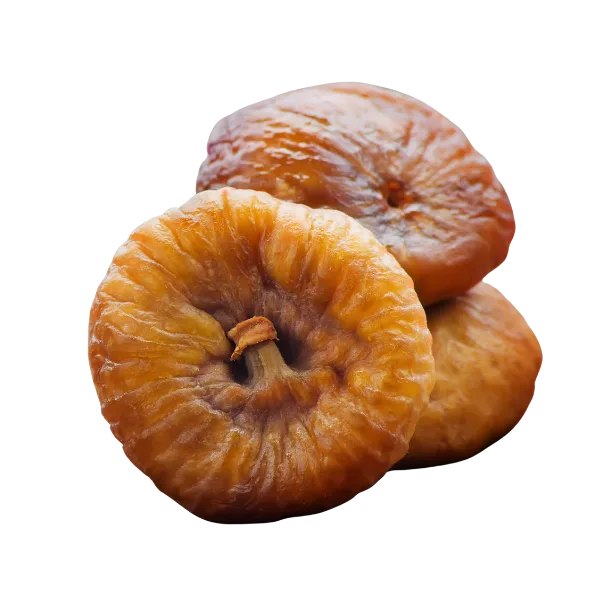
Is Figs dried a trigger for histamine intolerance?
Figs dried scores a 0 out of 3 on the SIGHI Food Compatibility List, placing it in the Safe category.
Figs dried & Histamine, what the evidence says
Dried figs carry two separate considerations worth knowing about, in addition to any histamine question. Like other dried fruits discussed on this site, dried figs may be treated with sulfur dioxide during processing, and sulfites can trigger reactions in some people independently of histamine.
Dried figs also have a well-documented food safety issue with mold contamination and aflatoxins, mycotoxins produced by certain molds that can grow inside the fig. Aflatoxin-producing molds can enter the fruit through its natural opening, called the ostiole, particularly while the fig is ripening. This means contamination can sometimes develop inside the fruit rather than appearing as visible mold on the outside.
This isn't a theoretical concern. European Rapid Alert System for Food and Feed (RASFF) data recorded 325 official notifications involving dried figs between 2017 and 2021, with 269 of them, or 82.8%, involving aflatoxins. These notifications represent food-safety findings and regulatory alerts, not cases of people becoming sick, but they illustrate how consistently aflatoxin contamination has been detected in the dried-fig supply chain.
For that reason, it's reasonable to avoid dried figs with visible mold, an unusual or fermented smell, or obvious deterioration. Because aflatoxin contamination can occur inside the fruit, however, appearance alone cannot guarantee that a fig is free of mycotoxins. Buying dried figs from reputable, regulated sources is therefore a sensible precaution, particularly when the product is intended to be stored for a long time.
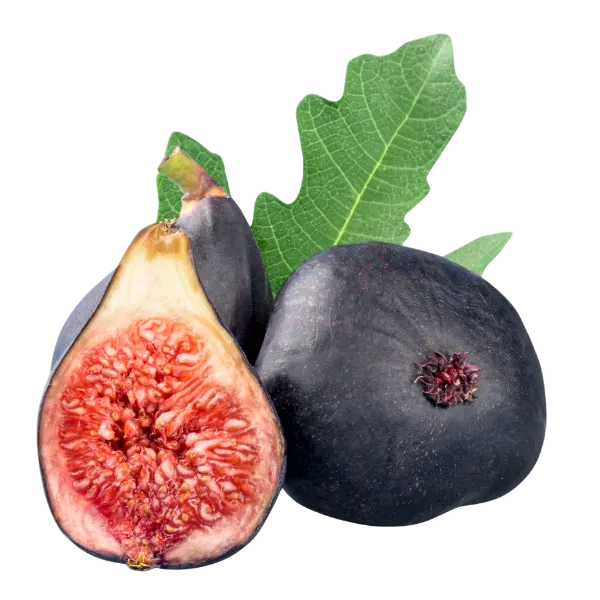
Fresh fig's histamine classification isn't entirely consistent between sources, and the same uncertainty extends to dried figs. Given the additional sulfite and food-safety considerations here, dried figs are worth approaching individually rather than assuming a fixed answer either way.
Does preparation change the risk?
For dried figs, sulfite treatment and mold/aflatoxin risk are the main considerations, separate from an unsettled histamine classification.
| Form | Risk Level | Notes |
|---|---|---|
| Unsulfured dried figs from a reputable source, no visible mold | Low | Reasonable starting point, though histamine classification itself is inconsistent between sources |
| Sulfured dried figs | Moderate | Sulfites can trigger reactions independent of histamine in some people |
| Dried figs showing visible mold, off smell, or unusual texture | High | This is a food safety consideration, not a histamine one. Discard rather than eat. |
| Dried figs stored for a long time from an unregulated source | High | Aflatoxin contamination can develop inside the fruit without visible signs |
Note: The mold/aflatoxin rows reflect a documented food safety issue, not standardized histamine measurements. This is separate from histamine intolerance.
A food score is a reference, not a verdict.
Histamine intolerance is highly individual. A food that triggers symptoms in one person may be tolerated by another, even within the same category.
Strict elimination may help reduce symptoms initially, but long-term progress often depends on gradual reintroduction and pattern recognition. The goal is not to remove more foods over time, but to understand your personal tolerance and expand your diet when possible.
Tracking symptoms, portions, and context such as stress or timing can provide insights that generalized food lists cannot. This is where informed decisions replace fear-based restriction.
How to test your tolerance
 Check the label for sulfites.
Look for "sulfur dioxide," "sulfites," or "unsulphured" on the packaging.
 Inspect before eating.
Break a dried fig open before eating and check for visible mold, unusual texture, or an off, fermented smell. Discard if anything seems wrong.
- Buy from reputable, regulated sources.
Since aflatoxin contamination can develop inside the fruit without visible signs, buying from established, regulated suppliers is a sensible precaution.
 Don't store dried figs indefinitely.
Especially with products from less regulated sources, avoid keeping dried figs for very long periods before eating them.
 This isn't about portion size.
Unlike typical histamine considerations, the mold and aflatoxin risk with dried figs isn't managed by eating a small amount. Avoid the product if it shows any signs of spoilage.
 Track dried and fresh figs separately.
Log them as distinct entries in MyHistaMap, given the different considerations involved with each.
Common questions about Figs dried and histamine
Are dried figs high in histamine?
Sources don't fully agree, similar to fresh figs. Dried figs also carry separate considerations around sulfites and mold contamination that are worth knowing about regardless of histamine content.
Why are dried figs a mold and aflatoxin concern?
Aflatoxin-producing molds can enter the fig through a natural opening while it's ripening, so contamination can develop inside the fruit without visible signs from the outside. This has been documented consistently enough in food safety monitoring data to warrant regulatory limits.
How can I tell if a dried fig is unsafe?
Visible mold, an off or fermented smell, or unusual texture inside the fruit are warning signs. However, because contamination can occur inside the fruit without visible signs, buying from reputable, regulated sources is also a sensible precaution.
Are dried figs different from fresh figs for sulfites?
Yes. Dried figs may be treated with sulfur dioxide during processing to preserve color and extend shelf life, which is a separate consideration from anything related to fresh figs.
Some people find these options helpful





Supplements are optional tools, not a solution. Personal tracking and identifying your individual triggers remains the priority.
Where this information comes from
At MyHistaMap we curate information from peer reviewed research and recognized medical sources. This guide is a reference tool, not a medical prescription. Always track your own reactions and consult your healthcare provider.
References
- Occurrence of Mycotoxins in Dried Fruits Worldwide, with a Focus on Aflatoxins and Ochratoxin A: A Review, 2023: reports 325 RASFF notifications for dried figs between 2017 and 2021, with 269 (82.8%) involving aflatoxins, and describes how aflatoxigenic molds can enter figs through the ostiole during ripening, making contamination possible inside the fruit before harvest. The source for the regulatory data and contamination mechanism referenced on this page.
- Studies examining aflatoxin contamination at various stages of industrial dried fig processing have found aflatoxins present in approximately 10% of samples tested across the supply chain. The source for this page's note that contamination is a documented issue throughout dried fig production, not only in storage.
- SIGHI (Swiss Interest Group Histamine Intolerance) Food Compatibility List: lists figs (fresh or dried) as well tolerated, while other histamine intolerance resources describe dried figs as best avoided due to sulfites. The source for the classification disagreement referenced on this page.