This content is for informational purposes only and does not constitute medical advice. Always consult a qualified healthcare provider before making dietary changes. Histamine tolerance is highly individual.
This information applies to histamine intolerance, DAO deficiency, and MCAS only. If you have a confirmed food allergy, this content does not apply to you. Food allergies involve the immune system and can be life-threatening. Please consult your allergist.
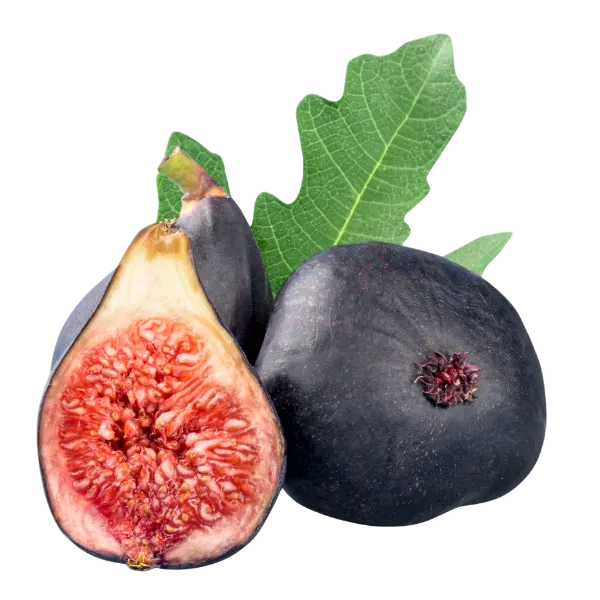
Is Figs fresh a trigger for histamine intolerance?
Figs fresh scores a 0 out of 3 on the SIGHI Food Compatibility List, placing it in the Safe category.
Figs fresh & Histamine, what the evidence says
Fresh fig's histamine classification isn't entirely consistent across sources. Some low-histamine reference lists rate fresh figs as low-histamine, with the caveat that they should be eaten very fresh because figs are highly perishable and can begin to ferment as they soften. Other sources describe figs as a higher-histamine food that isn't suitable for a low-histamine diet. This kind of disagreement is worth knowing about rather than presenting one classification as definitively settled.
Separate from histamine, there's a well-documented and unrelated safety issue involving fig trees rather than the fruit itself: phytophotodermatitis, a skin reaction caused by contact with phototoxic compounds in fig plant sap followed by exposure to sunlight. The leaves and shoot sap of the fig tree contain furocoumarins such as psoralen and bergapten, which can make exposed skin highly sensitive to UV light. Case reports describe reactions ranging from painful blistering to severe burns requiring hospital treatment, including treatment in a burn unit after extensive exposure while handling a fig tree.
Importantly, a study that specifically measured the photoactive compounds in Ficus carica found them in appreciable amounts in leaf and shoot sap but did not detect them in the fruit or its sap. The same research found no photoactive coumarins in the seeds or peel of ripe or unripe figs. This means the established phototoxic risk is primarily associated with handling the plant, particularly its leaves and sap, rather than simply eating the fruit.
If you grow your own figs or pick them yourself, wearing gloves and long sleeves and washing exposed skin promptly after contact with the plant sap are reasonable precautions, particularly when working in direct sunlight.
For eating fresh figs specifically, there isn't enough agreement between sources to give a single definitive histamine classification. If you are managing histamine intolerance, freshness and your individual response are reasonable factors to consider, but the conflicting classifications themselves are worth keeping in mind.
Does preparation change the risk?
Fresh fig's histamine classification varies by source, so freshness and your own response are more reliable guides than a single fixed rating. Handling the fig plant is a separate, unrelated safety question.
| Form | Risk Level | Notes |
|---|---|---|
| Very fresh figs, eaten same day or soon after picking | Low | Some reference lists rate this as low-histamine; others disagree, so individual response matters |
| Figs stored several days, soft or starting to ferment | Moderate | This highly perishable fruit can begin fermenting as it softens |
| Frozen figs, frozen shortly after picking | Low | Freezing shortly after harvest is a commonly suggested way to preserve freshness |
| Handling fig leaves, stems, or sap directly | High | This is a skin safety consideration, not a histamine one. Sun exposure after contact with the sap can cause severe skin reactions. |
Note: Risk levels for eating figs reflect inconsistent source classifications and freshness, not standardized histamine measurements. The handling row reflects a documented skin safety risk separate from histamine intolerance.
A food score is a reference, not a verdict.
Histamine intolerance is highly individual. A food that triggers symptoms in one person may be tolerated by another, even within the same category.
Strict elimination may help reduce symptoms initially, but long-term progress often depends on gradual reintroduction and pattern recognition. The goal is not to remove more foods over time, but to understand your personal tolerance and expand your diet when possible.
Tracking symptoms, portions, and context such as stress or timing can provide insights that generalized food lists cannot. This is where informed decisions replace fear-based restriction.
How to test your tolerance
 Know that sources disagree.
Different low-histamine references classify fresh figs differently. If you're testing your tolerance, don't assume one source's answer is the final word.
 Prioritize freshness.
Eat figs the same day if possible, or freeze them shortly after picking, since this soft fruit can begin fermenting quickly as it softens.
 Wear gloves if you handle fig plants.
If you grow or pick your own figs, gloves and long sleeves reduce skin contact with the sap, which is the source of the phototoxic reaction risk.
- Wash exposed skin promptly and avoid sun after contact.
If sap gets on your skin while handling a fig tree, wash it off and limit sun exposure to that area for a day or two.
- Eating the fruit is a separate question from handling the plant.
Research hasn't found the phototoxic compounds in the ripe fruit itself, so this safety concern is mainly relevant to growing or picking figs, not eating them.
 Track your individual response.
Given the disagreement between sources on fig's histamine classification, logging how you personally respond in MyHistaMap is especially useful here.
Common questions about Figs fresh and histamine
Is fresh fig high or low in histamine?
Sources disagree. Some low-histamine references rate fresh figs as low-histamine if eaten very fresh, while others classify figs generally as higher-histamine. There isn't a single settled answer.
Can touching a fig tree hurt my skin?
Yes, this is a documented risk. Fig leaves and sap contain compounds that make skin highly sensitive to sunlight, and case reports describe reactions ranging from blistering to severe burns requiring hospital treatment.
Is eating a fig the same risk as touching the fig tree?
No. Research has found the phototoxic compounds in fig leaves and shoot sap, but not in the ripe fruit's flesh, peel, or seeds. The skin reaction risk is mainly about handling the plant, not eating the fruit.
Why do figs spoil so quickly?
Fresh figs are soft and highly perishable, and can begin to ferment as they soften. This is part of why some sources emphasize eating them very fresh or freezing them shortly after picking.
Some people find these options helpful





Supplements are optional tools, not a solution. Personal tracking and identifying your individual triggers remains the priority.
Where this information comes from
At MyHistaMap we curate information from peer reviewed research and recognized medical sources. This guide is a reference tool, not a medical prescription. Always track your own reactions and consult your healthcare provider.
References
- Fresh Figs, Is Food Making You Sick?: recommends eating fresh figs only when very freshly picked or frozen shortly after harvest, reflecting one low-histamine reference's approach to this perishable fruit. Cited here to illustrate the classification disagreement discussed on this page.
- Fig Allergy, Allergy Resources: describes figs as a high-histamine food not suitable for a low-histamine diet, illustrating the disagreement in classification discussed on this page.
- Zaynoun et al., referenced in Phytophotodermatitis Due to Ficus carica, Contact Dermatitis literature: found furocoumarins present in fig leaf and shoot sap but did not detect photoactive coumarins in the seeds, peel, or fruit of ripe or unripe figs. The source for this page's distinction between the plant and the fruit.
- The Curious Cases of Burn by Fig Tree Leaves, 2019: describes four children who developed second-degree burns over about 10% of body surface area after playing with fig tree leaves, requiring burn center referral. The source for the severe case example referenced on this page.
- Phytophotodermatitis as a Clinical Problem and as a Therapeutic Option: Case Report and Review of the Literature: describes a 28-year-old man who required burn unit management after severe, generalized phytophotodermatitis from handling a fig tree. The source for the burn unit case referenced on this page.