This content is for informational purposes only and does not constitute medical advice. Always consult a qualified healthcare provider before making dietary changes. Histamine tolerance is highly individual.
This information applies to histamine intolerance, DAO deficiency, and MCAS only. If you have a confirmed food allergy, this content does not apply to you. Food allergies involve the immune system and can be life-threatening. Please consult your allergist.
Is Apricot a trigger for histamine intolerance?
Apricot scores a 0 out of 3 on the SIGHI Food Compatibility List, placing it in the Safe category.
Apricot & Histamine, what the evidence says
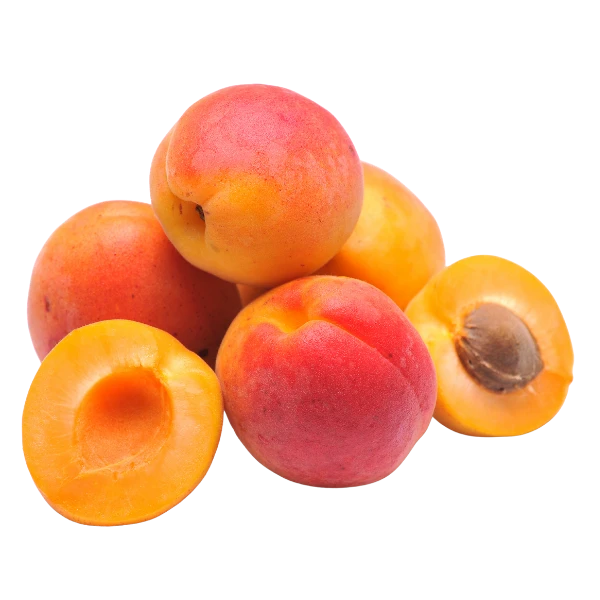
Fresh apricot is low in histamine and is generally well tolerated by people managing histamine intolerance. There's little in the fresh fruit itself that raises concern the way aged or fermented foods do.
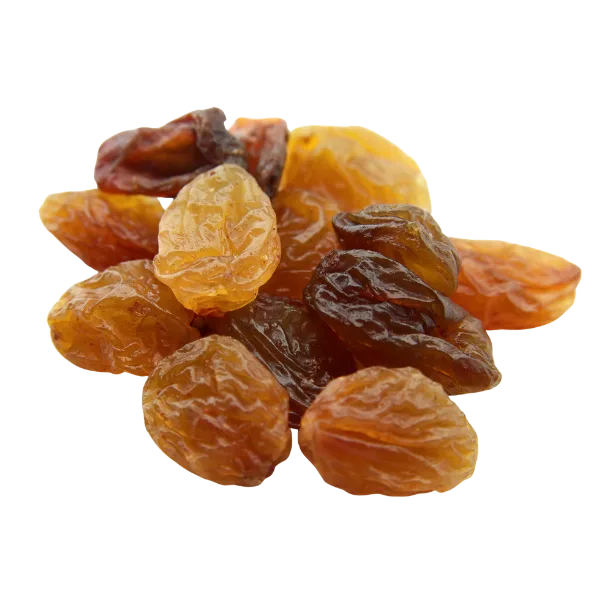
Dried apricot is where the picture gets more complicated, and not necessarily because of histamine in the fruit. Commercial dried apricots are often treated with sulfur dioxide before or during drying to preserve their bright orange color and slow browning. Studies of sulfured dried apricots have found substantial residual amounts, ranging from hundreds to several thousand milligrams per kilogram depending on the treatment and product.
Sulfites matter here because they can trigger reactions independently of the histamine naturally present in a food. Experimental research has found that sulfites can activate mast cells and basophils and cause histamine release, although this does not happen in everyone and sulfite reactions are not necessarily the same thing as histamine intolerance. This distinction is useful because someone who reacts to a sulfured dried apricot may be responding to the sulfite treatment rather than to the apricot itself.
Unsulfured or naturally dried apricots avoid this particular concern. They are usually darker because they have not been treated to preserve the bright orange color, and they may have a shorter shelf life. If dried apricot causes a reaction but fresh apricot is well tolerated, checking whether the dried product contains sulfur dioxide or another sulfite is a useful way to narrow down the trigger.
Does preparation change the risk?
Apricot's biggest variable is whether it's fresh or dried, and if dried, whether it was treated with sulfur dioxide.
| Form | Risk Level | Notes |
|---|---|---|
| Fresh apricot | Low | Naturally low in histamine and well tolerated by most people |
| Unsulfured dried apricot | Low | Darker in color and shorter shelf life, but avoids the sulfite concern |
| Sulfured dried apricot | Moderate | Sulfur dioxide levels can be substantial and may trigger reactions independent of histamine |
| Overripe or bruised fresh apricot | Moderate | Fruit that's starting to spoil may carry more biogenic amines than fresh fruit |
Note: Risk levels are based on clinical observations and patient reports, not standardized histamine measurements. Individual tolerance varies.
A food score is a reference, not a verdict.
Histamine intolerance is highly individual. A food that triggers symptoms in one person may be tolerated by another, even within the same category.
Strict elimination may help reduce symptoms initially, but long-term progress often depends on gradual reintroduction and pattern recognition. The goal is not to remove more foods over time, but to understand your personal tolerance and expand your diet when possible.
Tracking symptoms, portions, and context such as stress or timing can provide insights that generalized food lists cannot. This is where informed decisions replace fear-based restriction.
How to test your tolerance
 Check the label on dried apricot.
Look for "sulfur dioxide," "sulfites," or "unsulphured" on the packaging. This tells you which category you're dealing with before you eat it.
 Look for color as a clue.
Unsulfured dried apricots are naturally darker, almost brown, compared to the bright orange of sulfured ones. Color is a quick visual hint, though it's not a substitute for reading the label.
 Isolate the variable.
If fresh apricot is fine but dried apricot causes symptoms, that points toward the sulfite treatment rather than the fruit itself.
 Eat fresh apricot promptly.
Like most fresh fruit, apricot that's overripe or bruised may have started accumulating amines. Fresher is generally the safer choice.
 Rinsing isn't a reliable fix.
Washing or soaking sulfured dried apricot can reduce surface sulfite somewhat, but it won't reliably bring levels down to a known amount. Choosing unsulfured products from the start is more predictable.
 Track fresh versus dried separately.
Log fresh apricot and dried apricot as distinct entries in MyHistaMap, since your tolerance for one may not predict your tolerance for the other.
Common questions about Apricot and histamine
Is apricot high in histamine?
No. Fresh apricot is low in histamine and generally well tolerated by people managing histamine intolerance.
Why does dried apricot cause reactions if fresh apricot doesn't?
Dried apricot is often treated with sulfur dioxide to preserve its color. Sulfites can trigger reactions independently of histamine, so the dried product may cause symptoms that the fresh fruit doesn't.
Are sulfites the same as histamine liberators?
Not exactly, but they can overlap in effect. Research has shown sulfites can activate mast cells and cause histamine release, though this doesn't happen in everyone, and sulfite sensitivity isn't the same condition as histamine intolerance.
How can I tell if dried apricot has sulfites?
Check the ingredient label for sulfur dioxide or sulfites. Unsulfured apricots also tend to look noticeably darker than the bright orange sulfured ones.
Some people find these options helpful





Supplements are optional tools, not a solution. Personal tracking and identifying your individual triggers remains the priority.
Where this information comes from
At MyHistaMap we curate information from peer reviewed research and recognized medical sources. This guide is a reference tool, not a medical prescription. Always track your own reactions and consult your healthcare provider.
References
- SIGHI (Swiss Interest Group Histamine Intolerance) Food Compatibility List: rates fresh apricot as well tolerated. The source for apricot's low-risk classification referenced on this page.
- Studies measuring sulfur dioxide residues in commercially sulfured dried apricots have reported concentrations ranging from roughly one thousand to several thousand milligrams per kilogram depending on treatment method and storage time. The source for the general sulfite-level range referenced on this page.
- Kanani et al., Effect of Sodium Sulfite on Mast Cell Degranulation and Oxidant Stress, Annals of Allergy, Asthma & Immunology, 2006: found that sodium sulfite induced degranulation and histamine release in cultured mast cells and human peripheral blood basophils through a non-IgE-dependent pathway. The source for the mast cell and basophil research referenced on this page.
- Sodium Sulfite-Induced Mast Cell Pyroptosis and Degranulation, Journal of Agricultural and Food Chemistry, 2021: found dose-dependent release of histamine and other inflammatory markers from mast cells exposed to sodium sulfite, supporting the sulfite-histamine connection described on this page.