This content is for informational purposes only and does not constitute medical advice. Always consult a qualified healthcare provider before making dietary changes. Histamine tolerance is highly individual.
This information applies to histamine intolerance, DAO deficiency, and MCAS only. If you have a confirmed food allergy, this content does not apply to you. Food allergies involve the immune system and can be life-threatening. Please consult your allergist.
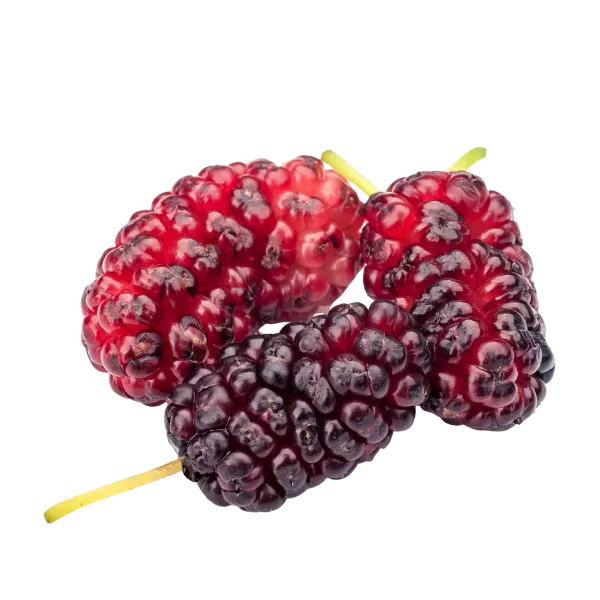
Is Mulberry a trigger for histamine intolerance?
Mulberry scores a 0 out of 3 on the SIGHI Food Compatibility List, placing it in the Safe category.
Mulberry & Histamine, what the evidence says
Mulberry fruit itself, when fully ripe, is generally considered fine to eat and low in histamine, similar to other fresh berries. Unripe mulberries and the milky white sap found in parts of the plant are a different matter. Botanical toxicology references describe the unripe fruit and milky sap as capable of causing stomach upset and hallucinations, with the overall toxicity considered low rather than severe. This isn't extensively documented in modern clinical case reports, but the warning is consistently included in plant toxicity references and provides a reasonable basis for the common advice to eat mulberries only when they are fully ripe.
Mulberry leaf is a separate product from the fruit, and this is where much of the modern clinical research has focused. Mulberry leaves contain 1-deoxynojirimycin (DNJ), a glucose-like compound that inhibits alpha-glucosidase, an enzyme involved in carbohydrate digestion. Multiple randomized controlled trials in humans have found that mulberry leaf extract can reduce the rise in blood glucose after a meal. In one 12-week placebo-controlled trial involving 76 people with impaired glucose metabolism, DNJ-enriched mulberry leaf extract improved a marker of postprandial glycemic control, although it did not significantly change fasting glucose, HbA1c, or glycated albumin. This research concerns blood glucose regulation, not histamine intolerance, and it should not be interpreted as evidence that mulberry leaves have the same properties as the fruit.
There is also a documented case of a genuine IgE-mediated allergic reaction to mulberry fruit. An 18-year-old boy developed generalized hives, chest tightness, breathing difficulty, oral swelling, and abdominal symptoms within 30 minutes of eating mulberry. Testing detected specific IgE against mulberry fruit, supporting a true food allergy rather than a histamine-intolerance reaction. The researchers also found evidence suggesting possible cross-reactivity with birch pollen. This appears to be uncommon, but it demonstrates that mulberry fruit can cause a genuine systemic allergic reaction in susceptible individuals.
None of this changes mulberry's basic histamine picture: ripe mulberry fruit is generally considered low in histamine, while unripe fruit, the plant's milky sap, and mulberry leaf products are separate considerations with their own non-histamine-related properties.
Does preparation change the risk?
For mulberry, ripeness is the main variable for both histamine and the separate mild toxicity consideration.
| Form | Risk Level | Notes |
|---|---|---|
| Fully ripe mulberry fruit | Low | Generally low in histamine, similar to other fresh berries |
| Unripe mulberry fruit | Moderate | Described in plant toxicology references as capable of causing stomach upset and hallucinations; not a histamine consideration |
| Mulberry plant sap | Moderate | The milky sap found throughout the plant carries the same mild toxicity described for unripe fruit |
| Mulberry leaf tea or extract | Low | A separate product studied for blood sugar effects, not histamine |
Note: Risk levels are based on clinical observations and patient reports, not standardized histamine measurements. Individual tolerance varies.
A food score is a reference, not a verdict.
Histamine intolerance is highly individual. A food that triggers symptoms in one person may be tolerated by another, even within the same category.
Strict elimination may help reduce symptoms initially, but long-term progress often depends on gradual reintroduction and pattern recognition. The goal is not to remove more foods over time, but to understand your personal tolerance and expand your diet when possible.
Tracking symptoms, portions, and context such as stress or timing can provide insights that generalized food lists cannot. This is where informed decisions replace fear-based restriction.
How to test your tolerance
 Eat mulberries fully ripe.
Unripe fruit and the plant's milky sap are described in plant toxicity references as capable of causing stomach upset and hallucinations.
 Don't confuse leaf and fruit.
Mulberry leaf's blood sugar research doesn't tell you anything about the fruit's histamine profile or vice versa. They're different products.
- Seek medical attention for allergy symptoms.
Hives, chest tightness, difficulty breathing, or swelling after eating mulberry call for allergy evaluation, especially if you have a birch pollen allergy.
 Mulberry leaf tea's benefits are about blood sugar.
If you're interested in mulberry leaf, know that its best-supported research is unrelated to histamine intolerance.
 Introduce ripe fruit like any new food.
Start with a small amount and note how you feel, especially if mulberry is new to you.
 Track ripe fruit separately from leaf products.
Log mulberry fruit and mulberry leaf tea or extract as distinct entries in MyHistaMap.
Common questions about Mulberry and histamine
Is mulberry high in histamine?
No, ripe mulberry fruit is generally considered low in histamine, similar to other fresh berries.
Can unripe mulberries make you sick?
Plant toxicology references describe unripe fruit and the plant's milky sap as capable of causing stomach upset and hallucinations, generally described as low-level toxicity. This is unrelated to histamine and is why the common advice is to eat mulberries only when fully ripe.
Is mulberry leaf tea the same as eating mulberry fruit?
No. Mulberry leaf is a separate product studied mainly for its effect on blood sugar, due to a compound called DNJ. This research doesn't tell you anything about the fruit's histamine profile.
Can mulberry cause an allergic reaction?
Yes, though it appears uncommon. A documented case describes a genuine IgE-mediated anaphylactic reaction to mulberry fruit, with possible cross-reactivity to birch pollen. This is different from histamine intolerance.
Some people find these options helpful





Supplements are optional tools, not a solution. Personal tracking and identifying your individual triggers remains the priority.
Where this information comes from
At MyHistaMap we curate information from peer reviewed research and recognized medical sources. This guide is a reference tool, not a medical prescription. Always track your own reactions and consult your healthcare provider.
References
- Poisonous Plants of North Carolina and related botanical toxicology references: describe unripe mulberry fruit and the plant's milky sap as causing low toxicity, including stomach upset and hallucinations. The source for the unripe fruit and sap information referenced on this page.
- Mulberry leaf extract and DNJ research on glucose metabolism: describes 1-deoxynojirimycin (DNJ) as an alpha-glucosidase inhibitor found in mulberry leaves, with a 12-week placebo-controlled trial in 76 people finding improved postprandial glycemic control without significant changes in fasting glucose, HbA1c, or glycated albumin. The source for the mulberry leaf and blood sugar research referenced on this page.
- An IgE-Mediated Allergic Reaction Caused by Mulberry Fruit, Allergy, Asthma & Immunology Research: describes an 18-year-old with anaphylaxis after eating mulberry fruit, with specific IgE detected and evidence of possible cross-reactivity with birch pollen via a PR-10 protein related to Bet v 1. The source for the allergy case referenced on this page.
- SIGHI (Swiss Interest Group Histamine Intolerance) Food Compatibility List: lists mulberry with insufficient or contradictory information rather than a specific rating, grouped with loganberry and boysenberry. The source for this page's general histamine classification note.