This content is for informational purposes only and does not constitute medical advice. Always consult a qualified healthcare provider before making dietary changes. Histamine tolerance is highly individual.
This information applies to histamine intolerance, DAO deficiency, and MCAS only. If you have a confirmed food allergy, this content does not apply to you. Food allergies involve the immune system and can be life-threatening. Please consult your allergist.
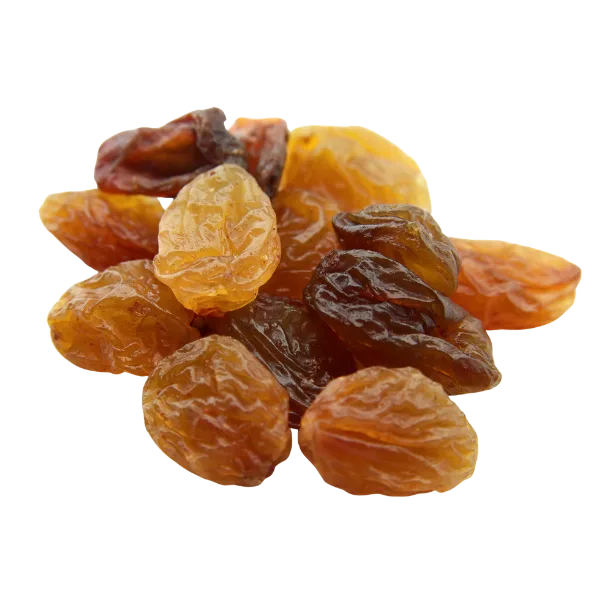
Is Raisins a trigger for histamine intolerance?
Raisins scores a 0 out of 3 on the SIGHI Food Compatibility List, placing it in the Safe category.
Raisins & Histamine, what the evidence says
Raisins carry two separate considerations worth knowing about, in addition to any histamine question. Like other dried fruits discussed on this site, raisins can be treated with sulfur dioxide during processing, and sulfites can trigger reactions in some people independently of histamine.
Raisins also have a documented food safety issue with ochratoxin A (OTA), a mycotoxin distinct from the aflatoxins more associated with dried figs. OTA is produced by certain species of Aspergillus, with Aspergillus carbonarius being an important source in grapes and dried vine fruits. These fungi can contaminate grapes before harvest, and OTA can remain present through the drying process and into the finished raisins. Studies have detected OTA in commercial raisins, and the European Union regulates the amount that may be present in dried vine fruits. Under current EU regulations, the maximum level is 8 micrograms per kilogram for dried vine fruits, including raisins, currants, and sultanas.
This isn't a reason to avoid raisins altogether, since OTA levels are monitored and regulated, but it is a separate food safety consideration from histamine. Choosing raisins from reputable, regulated sources is a reasonable general precaution, particularly because studies have shown that contamination can vary considerably between samples.
None of this relates to dietary histamine directly. Raisins are generally rated as well tolerated on histamine reference lists, although sulfured raisins should be considered separately if you are sensitive to sulfites.
Does preparation change the risk?
For raisins, sulfite treatment and sourcing are the main considerations, separate from histamine, for which raisins are generally well tolerated.
| Form | Risk Level | Notes |
|---|---|---|
| Unsulfured raisins from a reputable, regulated source | Low | Generally well tolerated for histamine; OTA levels are actively monitored and regulated |
| Sulfured raisins | Moderate | Sulfites can trigger reactions independent of histamine in some people |
| Raisins from unregulated or unknown sources | Moderate | OTA contamination has been found to vary considerably between samples; regulated sourcing is a reasonable precaution |
Note: The moderate-risk rows reflect documented food safety considerations, not standardized histamine measurements. This is separate from histamine intolerance.
A food score is a reference, not a verdict.
Histamine intolerance is highly individual. A food that triggers symptoms in one person may be tolerated by another, even within the same category.
Strict elimination may help reduce symptoms initially, but long-term progress often depends on gradual reintroduction and pattern recognition. The goal is not to remove more foods over time, but to understand your personal tolerance and expand your diet when possible.
Tracking symptoms, portions, and context such as stress or timing can provide insights that generalized food lists cannot. This is where informed decisions replace fear-based restriction.
How to test your tolerance
 Check the label for sulfites.
Look for "sulfur dioxide," "sulfites," or "unsulphured" on the packaging.
- Buy from reputable, regulated sources.
Since OTA contamination can vary considerably between samples, buying from established, regulated suppliers is a sensible precaution.
 Isolate the variable if you react.
If raisins cause symptoms, consider sulfites first, since they're a documented independent trigger, separate from histamine.
 This isn't about avoiding raisins entirely.
OTA levels are actively regulated and monitored. This is background context, not a reason to eliminate raisins from your diet.
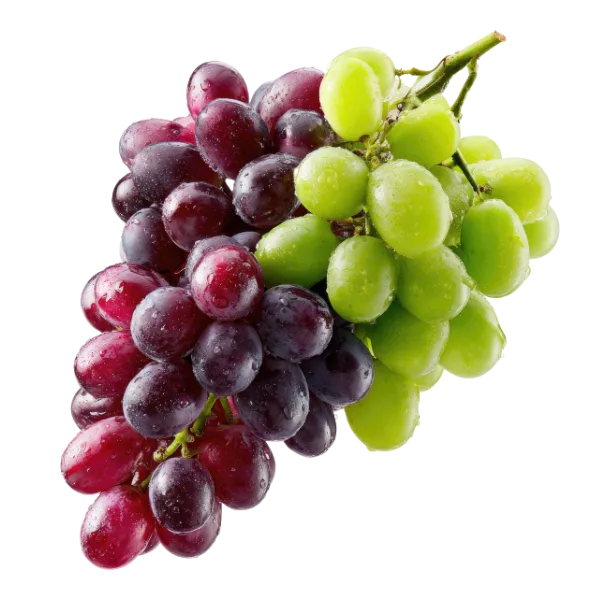
 Remember the connection to fresh grapes.
Since raisins come from grapes, and fresh grapes can also carry sulfite treatment, the sulfite consideration runs through both forms.
 Track sulfured and unsulfured raisins separately.
Log these as distinct entries in MyHistaMap, since they aren't the same product for tolerance purposes.
Common questions about Raisins and histamine
Are raisins high in histamine?
No, raisins are generally rated as well tolerated for histamine, provided they're unsulfured. Sulfured raisins are a separate consideration if you're sensitive to sulfites.
What is ochratoxin A and why does it matter for raisins?
It's a mycotoxin produced by certain Aspergillus mold species that can contaminate grapes before harvest and persist through drying into raisins. It's regulated in the EU at a maximum of 8 micrograms per kilogram in dried vine fruit.
Is ochratoxin A the same as the aflatoxin issue in dried figs?
No, they're different mycotoxins produced by different fungal sources, though both are regulated food safety concerns in dried fruit.
Should I avoid raisins because of ochratoxin A?
Not necessarily. OTA levels are actively monitored and regulated. Choosing raisins from reputable, regulated sources is a reasonable general precaution rather than a reason to avoid raisins altogether.
Some people find these options helpful





Supplements are optional tools, not a solution. Personal tracking and identifying your individual triggers remains the priority.
Where this information comes from
At MyHistaMap we curate information from peer reviewed research and recognized medical sources. This guide is a reference tool, not a medical prescription. Always track your own reactions and consult your healthcare provider.
References
- SIGHI (Swiss Interest Group Histamine Intolerance) Food Compatibility List: rates raisins as well tolerated only if not sulphured, without sulfite, and without preservatives. The source for the histamine classification and sulfite conditions referenced on this page.
- Occurrence of Ochratoxin A Contamination and Detection of Ochratoxigenic Aspergillus Species in Retail Samples of Dried Fruits and Nuts: found OTA in 48 of several hundred commercial raisin samples tested in the United States, with two samples exceeding the EU regulatory limit in effect at the time. The source for the raisin contamination data referenced on this page.
- Regulation (EU) 2022/1370, effective 2023: sets the maximum level for ochratoxin A in dried vine fruits, including raisins, currants, and sultanas, at 8 micrograms per kilogram. The source for the current EU regulatory limit referenced on this page.
- Genetic Diversity, Ochratoxin A and Fumonisin Profiles of Strains of Aspergillus Section Nigri Isolated from Dried Vine Fruits: identifies Aspergillus carbonarius and related black Aspergillus species as the main producers of OTA contamination in grapes and dried vine fruit. The source for the fungal source information referenced on this page.