This content is for informational purposes only and does not constitute medical advice. Always consult a qualified healthcare provider before making dietary changes. Histamine tolerance is highly individual.
This information applies to histamine intolerance, DAO deficiency, and MCAS only. If you have a confirmed food allergy, this content does not apply to you. Food allergies involve the immune system and can be life-threatening. Please consult your allergist.
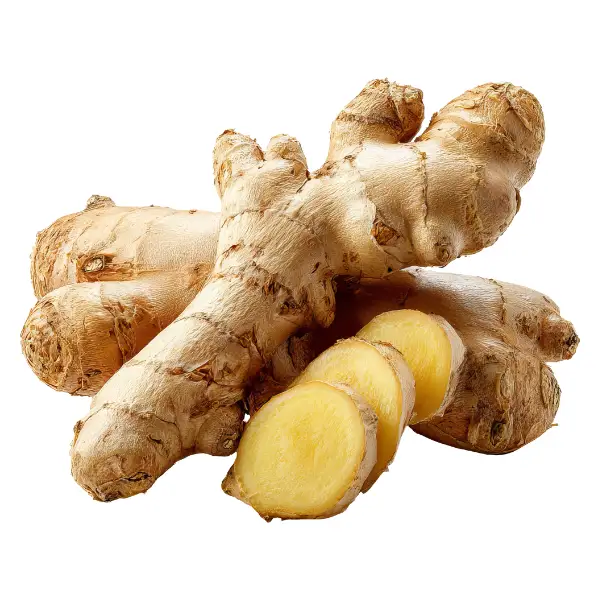
Is Ginger a trigger for histamine intolerance?
Ginger scores a 1 out of 3 on the SIGHI Food Compatibility List, placing it in the Low category.
Ginger & Histamine, what the evidence says
Ginger is well tolerated for histamine intolerance in small amounts.
Its more distinctive consideration involves blood clotting. Laboratory research has found that ginger can affect platelet function, including inhibition of thromboxane formation, but clinical evidence is mixed. A systematic review of human studies found that half of the clinical trials reported reduced platelet aggregation while the other half found no effect.
This is particularly relevant to warfarin. A controlled study in healthy volunteers found that seven days of ginger pretreatment had no significant effect on warfarin's anticoagulant action or platelet aggregation. However, a longitudinal study of people taking warfarin found an association between ginger use and increased bleeding, and ginger has also been included among herbs with reported interactions with warfarin in systematic reviews. A separate case report described over-anticoagulation and bleeding with ginger and phenprocoumon, another coumarin anticoagulant. The evidence therefore remains inconsistent rather than establishing a confirmed interaction, but regular or concentrated ginger use, particularly supplements, is worth taking into account when using anticoagulant or antiplatelet medication.
Ginger is also considered high in salicylates, a separate consideration from histamine.
Does preparation change the risk?
Amount and regularity of use matter for ginger, both for histamine and for the blood clotting consideration.
| Form | Risk Level | Notes |
|---|---|---|
| Small amount, fresh or dried | Low | Well tolerated for histamine intolerance in small amounts |
| Larger or regular culinary amounts | Moderate | High in salicylates; worth factoring in if managing that sensitivity |
| ⚠️ Regular or concentrated use (including supplements), if taking anticoagulant or antiplatelet medication | Moderate | Evidence on ginger and blood clotting is inconsistent; case reports and a longitudinal study suggest a possible interaction with warfarin specifically |
Note: Risk levels are based on clinical observations and patient reports, not standardized histamine measurements. Individual tolerance varies.
A food score is a reference, not a verdict.
Histamine intolerance is highly individual. A food that triggers symptoms in one person may be tolerated by another, even within the same category.
Strict elimination may help reduce symptoms initially, but long-term progress often depends on gradual reintroduction and pattern recognition. The goal is not to remove more foods over time, but to understand your personal tolerance and expand your diet when possible.
Tracking symptoms, portions, and context such as stress or timing can provide insights that generalized food lists cannot. This is where informed decisions replace fear-based restriction.
How to test your tolerance
 Be aware of the blood clotting consideration.
Evidence on ginger and blood clotting is mixed, but case reports and a longitudinal study suggest a possible interaction with warfarin. Regular or concentrated ginger use is worth mentioning to a healthcare provider if you take anticoagulant or antiplatelet medication.
 Know the evidence isn't settled.
A controlled study in healthy volunteers found no effect of ginger on warfarin, while separate case reports and a longitudinal study suggest increased bleeding risk. This is an inconsistent picture, not a confirmed interaction.
 Occasional culinary use is a different consideration.
The interaction concerns mainly involve regular or concentrated use, such as ginger supplements, rather than an occasional pinch in cooking.
 Factor in salicylates.
Ginger is considered high in salicylates, a separate consideration from histamine. If you're managing salicylate sensitivity, this is worth tracking.
 Keep amounts small for histamine tolerance.
Ginger is well tolerated for histamine intolerance specifically in small amounts.
 Track your response in MyHistaMap.
Log the amount and form of ginger used, especially if you take anticoagulant or antiplatelet medication.
Common questions about Ginger and histamine
Is ginger high in histamine?
No, ginger is well tolerated for histamine intolerance in small amounts.
Can ginger affect blood thinners like warfarin?
The evidence is inconsistent. A controlled study in healthy volunteers found no significant effect on warfarin, but case reports and a longitudinal study have found an association between ginger use and increased bleeding in people taking warfarin. Regular or concentrated ginger use is worth discussing with a healthcare provider if you take this or similar medications.
Is ginger high in salicylates?
Yes, ginger is considered high in salicylates, a separate consideration from histamine.
Does ginger affect platelets?
Laboratory research shows ginger can inhibit thromboxane formation, a mechanism related to platelet function. However, a systematic review of clinical trials found mixed results, with half showing reduced platelet aggregation and half showing no effect.
Some people find these options helpful





Supplements are optional tools, not a solution. Personal tracking and identifying your individual triggers remains the priority.
Where this information comes from
At MyHistaMap we curate information from peer reviewed research and recognized medical sources. This guide is a reference tool, not a medical prescription. Always track your own reactions and consult your healthcare provider.
References
- SIGHI (Swiss Interest Group Histamine Intolerance) Food Compatibility List: classifies ginger with a histamine score of 1, noting small amounts are well tolerated.
- Kruth P, Brosi E, Fux R, Morike K, Gleiter CH, Ginger-Associated Overanticoagulation by Phenprocoumon, Annals of Pharmacotherapy, 2004: case report of a 76-year-old woman whose INR rose to 10 with epistaxis after starting ginger while on phenprocoumon, with a causality assessment rating the interaction probable. The source for this page's case report.
- Tsai HH, Lin HW, Lu YH, Chen YL, Mahady GB, A Review of Potential Harmful Interactions between Anticoagulant/Antiplatelet Agents and Chinese Herbal Medicines, PLOS ONE, 2013: systematic review including ginger among herbs with documented interactions with anticoagulant/antiplatelet drugs, attributing consequences to additive antiplatelet effects. The source for this page's note on ginger's inclusion in interaction reviews.
- RPAH Elimination Diet Handbook, Swain, Soutter & Loblay, Royal Prince Alfred Hospital Allergy Unit: classifies ginger among herbs and spices high in salicylates. The source for this page's salicylate section.