This content is for informational purposes only and does not constitute medical advice. Always consult a qualified healthcare provider before making dietary changes. Histamine tolerance is highly individual.
This information applies to histamine intolerance, DAO deficiency, and MCAS only. If you have a confirmed food allergy, this content does not apply to you. Food allergies involve the immune system and can be life-threatening. Please consult your allergist.
Is Cinnamon a trigger for histamine intolerance?
Cinnamon scores a 0 out of 3 on the SIGHI Food Compatibility List, placing it in the Safe category.
Cinnamon & Histamine, what the evidence says
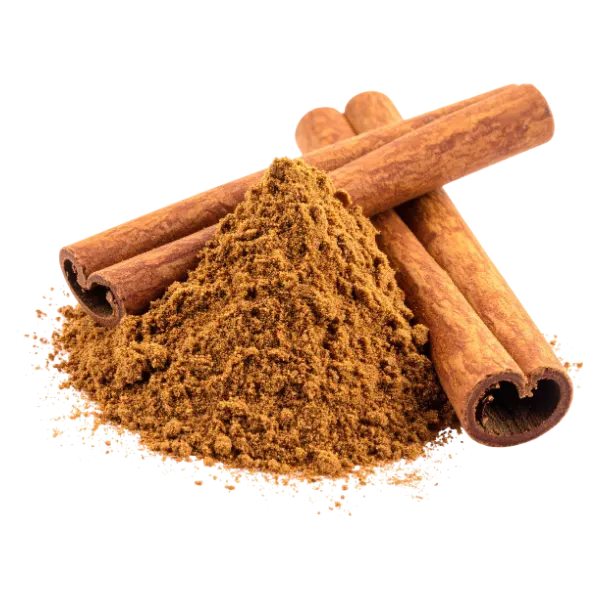
Cinnamon is generally considered compatible with a low-histamine approach.
Its more distinctive consideration is coumarin, a compound present at very different levels depending on which type of cinnamon is used. Cassia cinnamon, the common variety sold in many grocery stores, can contain substantial amounts of coumarin, while Ceylon cinnamon, often labeled "true cinnamon," contains only trace or very low levels. Regulatory bodies including the European Food Safety Authority have established a tolerable daily intake for coumarin based on liver toxicity data. The BfR estimates that an adult weighing 60 kg would reach this limit with about 2 grams of Cassia cinnamon per day when using the average coumarin concentration measured in monitoring data, although actual levels vary considerably between samples. This is mainly a concern with regular, larger amounts or concentrated cinnamon supplements rather than occasional culinary use.
Cinnamon also contains a high amount of total oxalate, but human research suggests that relatively little is absorbed. In a controlled study, four weeks of cinnamon supplementation providing 55 mg of oxalate per day did not significantly increase urinary oxalate excretion, and only about 6% of the oxalate in cinnamon was water-soluble. This suggests that its high total oxalate content does not translate directly into high oxalate absorption.
Salicylate content, by contrast, is considered high, a separate consideration from histamine.
Does preparation change the risk?
Which type of cinnamon you use, and how much, matters more here than most spices.
| Form | Risk Level | Notes |
|---|---|---|
| Occasional culinary seasoning, either type | Low | Generally compatible with a low-histamine approach; coumarin is not a concern at occasional amounts |
| Regular or larger daily amounts of Cassia cinnamon | Moderate | Coumarin content can approach the daily tolerable intake around 2g/day for an average adult, based on average monitoring data; actual levels vary between samples |
| Regular or larger daily amounts of Ceylon cinnamon | Low | Contains only trace or very low coumarin levels, making regular use less of a concern for this specific compound |
| Concentrated cinnamon supplements | High | Higher and more concentrated coumarin exposure than culinary use; check whether the product specifies Cassia or Ceylon |
Note: Risk levels are based on clinical observations and patient reports, not standardized histamine measurements. Individual tolerance varies.
A food score is a reference, not a verdict.
Histamine intolerance is highly individual. A food that triggers symptoms in one person may be tolerated by another, even within the same category.
Strict elimination may help reduce symptoms initially, but long-term progress often depends on gradual reintroduction and pattern recognition. The goal is not to remove more foods over time, but to understand your personal tolerance and expand your diet when possible.
Tracking symptoms, portions, and context such as stress or timing can provide insights that generalized food lists cannot. This is where informed decisions replace fear-based restriction.
How to test your tolerance
 Know which type you're using.
Cassia cinnamon (the common grocery-store type) contains far more coumarin than Ceylon cinnamon. If you use cinnamon daily, checking the label matters.
 Occasional culinary use isn't a coumarin concern.
The coumarin consideration mainly applies to regular, larger daily amounts or concentrated supplements, not an occasional sprinkle.
 Be cautious with cinnamon supplements.
Concentrated capsules or extracts deliver more coumarin than culinary use. Check whether the product specifies Cassia or Ceylon.
 Don't worry about the total oxalate figure alone.
Cinnamon's oxalate content looks high by weight, but human research found very little of it is actually absorbed.
 Factor in salicylates separately.
Cinnamon is considered high in salicylates. If you're managing salicylate sensitivity alongside histamine, this is worth tracking.
 Track your response in MyHistaMap.
Log which type of cinnamon you used and how much, especially if you use it regularly.
Common questions about Cinnamon and histamine
Is cinnamon high in histamine?
No, cinnamon is generally considered compatible with a low-histamine approach.
What's the difference between Cassia and Ceylon cinnamon?
Cassia, the common grocery-store variety, contains substantially more coumarin, a compound with liver toxicity data behind its regulatory limits. Ceylon, often labeled "true cinnamon," contains only trace amounts. This mainly matters for regular, larger daily use.
Is cinnamon high in oxalates?
It's high in total oxalate content, but human research found only about 6% of it is water-soluble, and a controlled study found cinnamon supplementation didn't significantly raise urinary oxalate excretion.
Is cinnamon high in salicylates?
Yes, cinnamon is considered high in salicylates, a separate consideration from histamine.
Some people find these options helpful





Supplements are optional tools, not a solution. Personal tracking and identifying your individual triggers remains the priority.
Where this information comes from
At MyHistaMap we curate information from peer reviewed research and recognized medical sources. This guide is a reference tool, not a medical prescription. Always track your own reactions and consult your healthcare provider.
References
- SIGHI (Swiss Interest Group Histamine Intolerance) Food Compatibility List: classifies cinnamon with a histamine score of 0.
- Cassia cinnamon with high coumarin contents to be consumed in moderation, German Federal Institute for Risk Assessment (BfR): official risk assessment confirming coumarin from cinnamon's plant matrix is absorbed similarly to isolated coumarin, and recommending Ceylon cinnamon for those using large quantities regularly. The source for this page's coumarin and Cassia/Ceylon distinction.
- Risk assessment of coumarin using the benchmark dose (BMD) approach, Food and Chemical Toxicology, 2011, citing EFSA 2004 and EFSA 2008 opinions: confirms the European Food Safety Authority's tolerable daily intake of 0.1 mg coumarin/kg body weight, based on a no observed adverse effect level for liver toxicity in a 2-year dog study. The source for this page's coumarin TDI figure.
- Tang M et al., Effect of cinnamon and turmeric on urinary oxalate excretion, plasma lipids, and plasma glucose in healthy subjects, American Journal of Clinical Nutrition, 2008: controlled human study finding 4 weeks of cinnamon supplementation providing 55 mg oxalate/day did not significantly increase urinary oxalate excretion, with only about 6% of cinnamon's oxalate being water-soluble, compared with 91% for turmeric. The source for this page's oxalate absorption section.
- RPAH Elimination Diet Handbook, Swain, Soutter & Loblay, Royal Prince Alfred Hospital Allergy Unit: classifies cinnamon among herbs and spices high in salicylates. The source for this page's salicylate section.