This content is for informational purposes only and does not constitute medical advice. Always consult a qualified healthcare provider before making dietary changes. Histamine tolerance is highly individual.
This information applies to histamine intolerance, DAO deficiency, and MCAS only. If you have a confirmed food allergy, this content does not apply to you. Food allergies involve the immune system and can be life-threatening. Please consult your allergist.
Is Gooseberry a trigger for histamine intolerance?
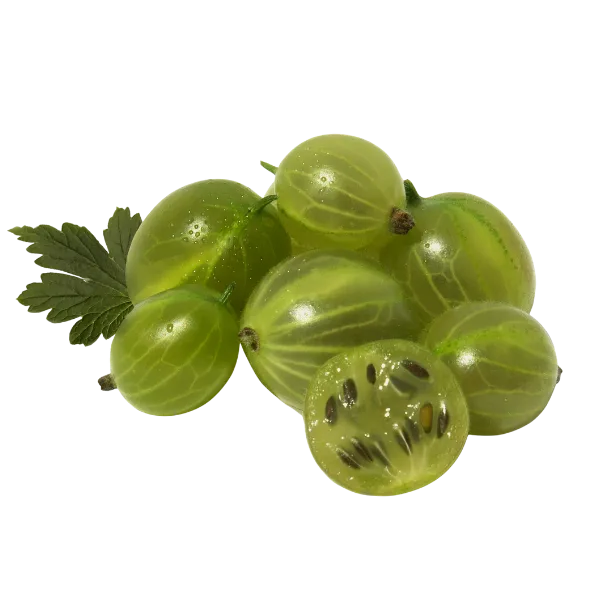
Gooseberry scores a 0 out of 3 on the SIGHI Food Compatibility List, placing it in the Safe category.
Gooseberry & Histamine, what the evidence says
Gooseberry sometimes gets confused with a completely different fruit, Indian gooseberry or amla (Phyllanthus emblica). Despite the shared common name, the two fruits are not botanically related. This page is about the European gooseberry (Ribes uva-crispa), the tart, translucent berry related to blackcurrant and redcurrant. Amla is a separate fruit with its own composition and considerations.
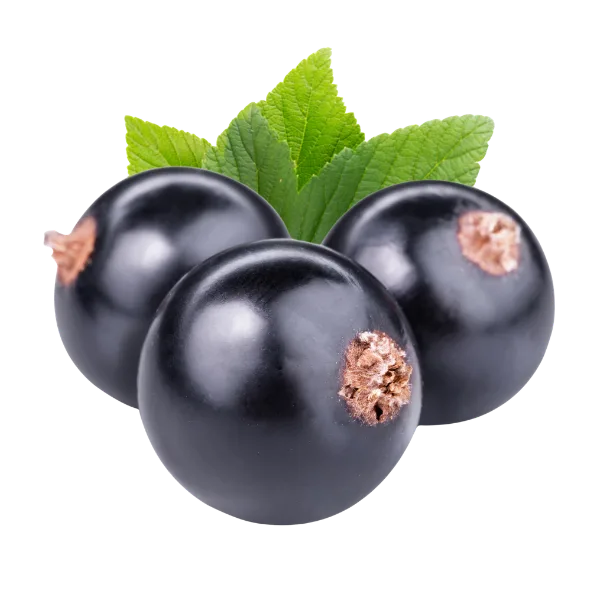
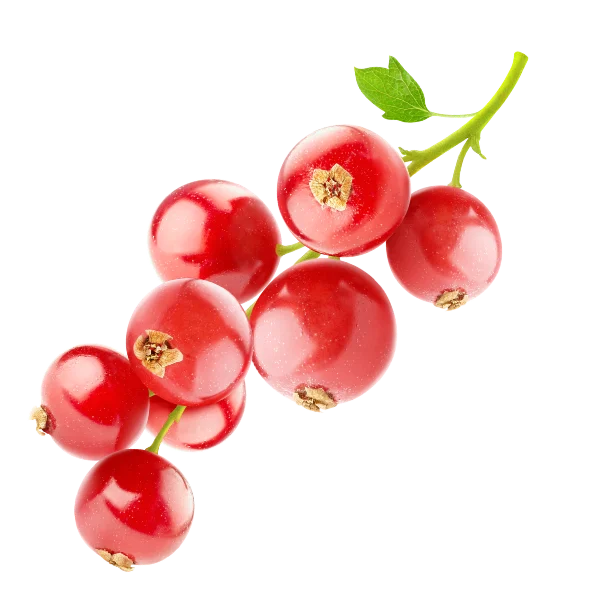
European gooseberry is generally rated as low in histamine, similar to blackcurrant and redcurrant, which belong to the same plant genus. It doesn't carry the specific caveats associated with aged or fermented foods.
If you've come across conflicting claims online about "gooseberry" and vitamin C or oxalate content, particularly claims that it is a powerful antihistamine or, conversely, that it is high in oxalate and poorly tolerated, those claims are often referring to Indian gooseberry or amla rather than the European fruit discussed on this page. The two fruits have very different compositions. Amla is known for its unusually high vitamin C content and is also discussed in relation to its oxalate content. Those characteristics should not be automatically attributed to European gooseberry.
Keeping the two fruits separate is important when evaluating information about histamine, vitamin C, oxalates, or individual food tolerance. Information about amla should not be used to classify or predict how European gooseberry will affect someone managing histamine intolerance.
Does preparation change the risk?
European gooseberry's histamine profile stays low across fresh and lightly processed forms.
| Form | Risk Level | Notes |
|---|---|---|
| Fresh gooseberries | Low | Naturally low in histamine and well tolerated by most people |
| Frozen gooseberries | Low | Freezing shortly after picking preserves the fruit's low-histamine profile |
| Gooseberry jam or compote | Low | Check for added ingredients, but the fruit itself isn't a concern |
| Gooseberry wine or fermented products | Moderate | Fermentation raises the histamine and biogenic amine profile compared to the fresh fruit |
Note: Risk levels are based on clinical observations and patient reports, not standardized histamine measurements. Individual tolerance varies.
A food score is a reference, not a verdict.
Histamine intolerance is highly individual. A food that triggers symptoms in one person may be tolerated by another, even within the same category.
Strict elimination may help reduce symptoms initially, but long-term progress often depends on gradual reintroduction and pattern recognition. The goal is not to remove more foods over time, but to understand your personal tolerance and expand your diet when possible.
Tracking symptoms, portions, and context such as stress or timing can provide insights that generalized food lists cannot. This is where informed decisions replace fear-based restriction.
How to test your tolerance
 Double-check which "gooseberry" a claim is about.
If you see a strong claim online about gooseberry and histamine, vitamin C, or oxalates, check whether it's actually referring to Indian gooseberry (amla) before applying it to European gooseberry.
 Treat it similarly to blackcurrant or redcurrant.
Since European gooseberry belongs to the same genus, your tolerance for one may be a reasonable starting point for thinking about the others.
 Be cautious with gooseberry wine.
Fermented gooseberry products carry more uncertainty than the fresh fruit, jam, or compote.
 Freeze extra gooseberries.
Freezing shortly after buying is a simple way to keep this fruit at its best for later use.
 Introduce it like any new food.
Start with a small amount and note how you feel, especially if gooseberry is new to you.
 Log it clearly as European gooseberry.
In MyHistaMap, note that you're tracking European gooseberry specifically, to avoid mixing it up with amla if you ever try that separately.
Common questions about Gooseberry and histamine
Is gooseberry high in histamine?
No. European gooseberry is generally low in histamine and well tolerated, similar to blackcurrant and redcurrant.
Is gooseberry the same as Indian gooseberry (amla)?
No, these are two completely different, botanically unrelated fruits that happen to share part of a common name. This page covers European gooseberry (Ribes uva-crispa), not amla (Phyllanthus emblica).
Why do I see conflicting claims about gooseberry online?
Many claims about gooseberry being a powerful antihistamine or high in oxalate actually refer to Indian gooseberry (amla), not the European fruit. These claims shouldn't be applied to European gooseberry.
Is gooseberry wine as low-risk as fresh gooseberries?
No. Fermentation raises histamine and biogenic amine content, so gooseberry wine carries more uncertainty than the fresh fruit, jam, or compote.
Some people find these options helpful





Supplements are optional tools, not a solution. Personal tracking and identifying your individual triggers remains the priority.
Where this information comes from
At MyHistaMap we curate information from peer reviewed research and recognized medical sources. This guide is a reference tool, not a medical prescription. Always track your own reactions and consult your healthcare provider.
References
- SIGHI (Swiss Interest Group Histamine Intolerance) Food Compatibility List: rates gooseberry as well tolerated. The source for European gooseberry's low-risk classification referenced on this page.
- Multiple wellness and histamine intolerance sources online describe "Indian gooseberry" or "amla" (Phyllanthus emblica) as either a powerful antihistamine or as high in oxalate, sometimes without clarifying that this fruit is botanically distinct from European gooseberry (Ribes uva-crispa). The source for this page's disambiguation between the two fruits.