This content is for informational purposes only and does not constitute medical advice. Always consult a qualified healthcare provider before making dietary changes. Histamine tolerance is highly individual.
This information applies to histamine intolerance, DAO deficiency, and MCAS only. If you have a confirmed food allergy, this content does not apply to you. Food allergies involve the immune system and can be life-threatening. Please consult your allergist.
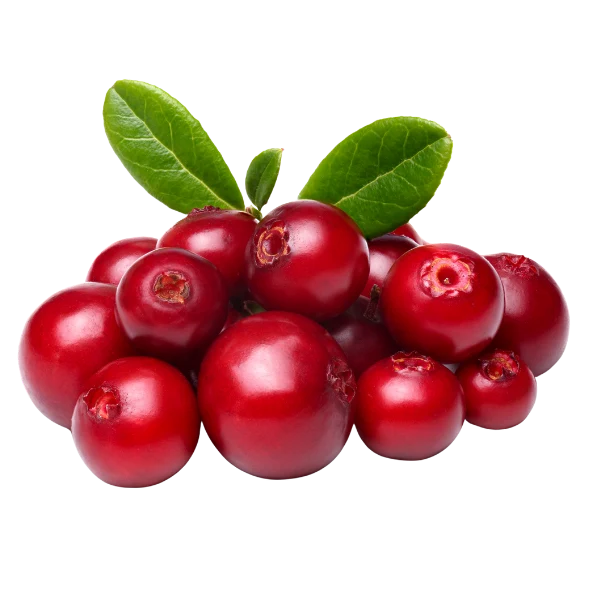
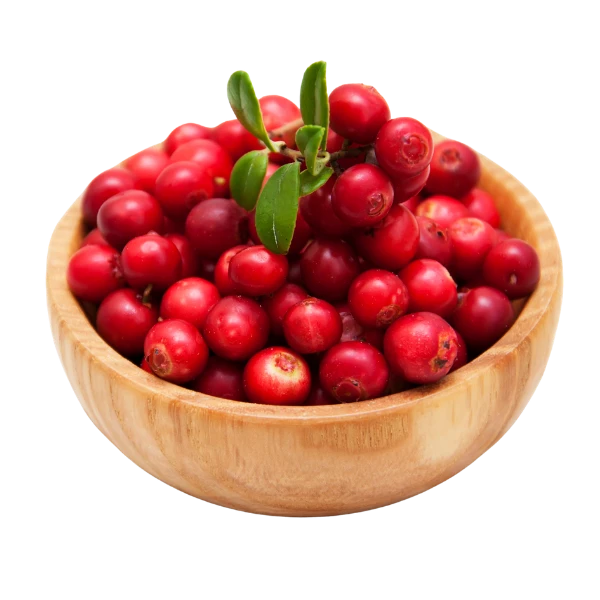
Is Cowberry / Lingonberry a trigger for histamine intolerance?
Cowberry / Lingonberry scores a 0 out of 3 on the SIGHI Food Compatibility List, placing it in the Safe category.
Cowberry / Lingonberry & Histamine, what the evidence says
Cowberry, also known as lingonberry, has an unusually high natural benzoic acid content, high enough that traditional Nordic preparations could be preserved without cooking, relying on the acid's natural preservative effect. Measured amounts in the fruit vary with ripeness and growing conditions.
Benzoic acid and benzoate compounds come up separately in discussions of food intolerance. Clinical reviews describe sodium benzoate as one of the more commonly reported food additive intolerances, though the exact biological mechanism hasn't been established. Direct laboratory testing on mast cells has produced mixed results: one study found that sodium benzoate did not trigger the release of inflammatory mediators from mast cells and, at some concentrations, actually reduced their baseline activity. This doesn't match a claim sometimes repeated online that benzoates are a well-established histamine liberator. The laboratory evidence on that specific point is more uncertain than that framing suggests.
Because cowberry naturally contains meaningful amounts of benzoic acid without any added preservative, this is a separate consideration from its histamine content specifically. Someone who has noticed a personal sensitivity to added benzoates in processed foods might reasonably wonder whether that sensitivity also extends to a naturally high-benzoic-acid fruit like cowberry, although this hasn't been studied directly.
Cowberry itself doesn't have a well-established histamine classification, similar to some other less common berries discussed on this site.
Does preparation change the risk?
Cowberry's natural benzoic acid content is present whether the berries are fresh or preserved, since it's part of the fruit itself rather than something added during processing.
| Form | Risk Level | Notes |
|---|---|---|
| Fresh cowberries | Low | No established histamine concern, though overall data is limited |
| Uncooked cowberry preserve | Low | Traditionally made without cooking due to the fruit's natural benzoic acid content |
| Cowberry jam or sauce, cooked | Low | Similar considerations to the fresh fruit |
| Products with added benzoate preservatives | Moderate | A separate consideration if you've noticed sensitivity to added benzoates specifically |
Note: Risk levels are based on clinical observations and patient reports, not standardized histamine measurements. Individual tolerance varies.
A food score is a reference, not a verdict.
Histamine intolerance is highly individual. A food that triggers symptoms in one person may be tolerated by another, even within the same category.
Strict elimination may help reduce symptoms initially, but long-term progress often depends on gradual reintroduction and pattern recognition. The goal is not to remove more foods over time, but to understand your personal tolerance and expand your diet when possible.
Tracking symptoms, portions, and context such as stress or timing can provide insights that generalized food lists cannot. This is where informed decisions replace fear-based restriction.
How to test your tolerance
 Treat it as a new food to test.
Since cowberry doesn't have an established histamine profile, introduce it in a small amount first, the way you would with any unfamiliar food.
 Consider your benzoate history.
If you've noticed sensitivity to added benzoates in processed foods, it's reasonable to be more attentive when trying cowberry, even though this connection hasn't been directly studied.
 Don't assume benzoates are automatically a histamine liberator.
At least one direct laboratory study found sodium benzoate didn't trigger mast cell activation, so this popular claim is more uncertain than it's often presented.
 Both cooked and uncooked preparations are reasonable to try.
Cowberry's natural benzoic acid content is present either way, so cooking method isn't the main variable here.
 Check processed cowberry products for other ingredients.
Commercial jams and sauces may include added sugar, other fruits, or preservatives worth reviewing separately from the cowberry itself.
 Track it carefully.
Since there's no reliable classification to fall back on, logging your own response to cowberry in MyHistaMap is especially useful here.
Common questions about Cowberry / Lingonberry and histamine
Is cowberry the same as lingonberry?
Yes. Cowberry and lingonberry are both common names for the same species, Vaccinium vitis-idaea.
Is cowberry high in histamine?
It isn't classified either way with much confidence. Cowberry hasn't been studied enough to say clearly whether it's high, low, or a liberator.
Why does cowberry have benzoic acid?
It's a naturally occurring compound in the fruit, present in high enough amounts that traditional preserves could be made without cooking. This is separate from added benzoate preservatives found in some processed foods.
Are benzoates a known histamine liberator?
This claim circulates online, but at least one direct laboratory study on mast cells found that sodium benzoate didn't trigger the release of histamine or other inflammatory mediators. The evidence on this point is more uncertain than the claim suggests.
Some people find these options helpful





Supplements are optional tools, not a solution. Personal tracking and identifying your individual triggers remains the priority.
Where this information comes from
At MyHistaMap we curate information from peer reviewed research and recognized medical sources. This guide is a reference tool, not a medical prescription. Always track your own reactions and consult your healthcare provider.
References
- Vaccinium vitis-idaea fruit composition studies report benzoic acid content ranging from roughly 3.7 to 19.5 mg per gram dry weight, high enough to allow traditional preserves to be made without cooking. The source for the benzoic acid content and traditional preservation method referenced on this page.
- Q&A: Food Additive Intolerance, Allergo Journal International, 2013: describes sodium benzoate as one of the more commonly reported food additives associated with intolerance reactions, noting the exact mechanism has not been established. The source for the clinical intolerance context referenced on this page.
- Effect of Common Food Additives on Mast Cell Activation, International Journal of Cellular and Immunological Sciences: found that sodium benzoate did not stimulate degranulation from rat peritoneal mast cells at any tested concentration and, in some cases, reduced baseline release. The source for this page's note that the mast cell evidence on benzoates is more uncertain than commonly claimed.