This content is for informational purposes only and does not constitute medical advice. Always consult a qualified healthcare provider before making dietary changes. Histamine tolerance is highly individual.
This information applies to histamine intolerance, DAO deficiency, and MCAS only. If you have a confirmed food allergy, this content does not apply to you. Food allergies involve the immune system and can be life-threatening. Please consult your allergist.
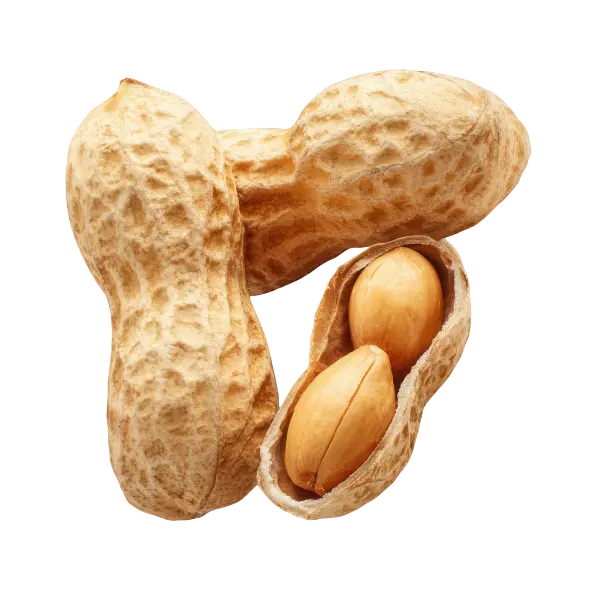
Is Peanuts a trigger for histamine intolerance?
Peanuts scores a 2 out of 3 on the SIGHI Food Compatibility List, placing it in the Moderate category.
Peanuts & Histamine, what the evidence says
Peanuts are generally rated as poorly tolerated for histamine intolerance. They also carry a genuinely distinctive finding that has nothing to do with histamine. Research has detected peanut agglutinin (PNA), a lectin found in peanuts, intact in human peripheral blood after peanut consumption, indicating that at least some of it can survive digestion and enter the circulation. Follow-up research found that circulating PNA can stimulate endothelial cells to release cytokines involved in cellular processes associated with cancer metastasis, while earlier experimental research found that peanut consumption increased cell proliferation in the rectal lining. These findings demonstrate measurable biological effects, but the studies do not establish that eating peanuts causes cancer or promotes metastasis in people. They are nevertheless a distinctive area of research concerning peanut lectin and are separate from histamine intolerance.
Separately, peanuts are technically legumes rather than tree nuts, and this distinction matters for food safety. They can become contaminated with soil-associated fungi, particularly Aspergillus flavus, which can produce aflatoxins under favorable conditions. Drought stress, insect damage, and improper drying or storage can increase the risk of contamination. Aflatoxins are established carcinogens, with prolonged dietary exposure associated with increased liver cancer risk. Proper drying, storage, and sourcing are therefore important considerations for peanuts.
As with other foods, freshness and proper storage also matter because peanuts can develop mold and rancidity when exposed to unsuitable conditions, particularly warmth and humidity.
Does preparation change the risk?
Freshness, storage, and processing all influence how well peanuts are tolerated.
| Form | Risk Level | Notes |
|---|---|---|
| Fresh, raw peanuts | Moderate | Generally rated as poorly tolerated on histamine compatibility references; individual tolerance varies |
| Roasted peanuts | Moderate | Roasting itself does not add histamine, but check for freshness |
| Peanut butter | Moderate | Concentrated form; opened jars should be used promptly |
| Old or improperly stored | High | Warm, humid storage conditions favor Aspergillus growth and aflatoxin risk more in peanuts than in most tree nuts |
Note: Risk levels are based on clinical observations and patient reports, not standardized histamine measurements. Individual tolerance varies.
A food score is a reference, not a verdict.
Histamine intolerance is highly individual. A food that triggers symptoms in one person may be tolerated by another, even within the same category.
Strict elimination may help reduce symptoms initially, but long-term progress often depends on gradual reintroduction and pattern recognition. The goal is not to remove more foods over time, but to understand your personal tolerance and expand your diet when possible.
Tracking symptoms, portions, and context such as stress or timing can provide insights that generalized food lists cannot. This is where informed decisions replace fear-based restriction.
How to test your tolerance
 Prioritize freshness and storage.
Because peanuts grow underground, they are more exposed to soil molds than tree nuts. Buy from sources with good turnover and store in a cool, dry place.
 Choose plain over flavored.
Skip honey-roasted, spicy, or seasoned varieties, which introduce ingredients unrelated to histamine content.
- Watch peanut butter freshness.
Once opened, use within a reasonable timeframe and store in the refrigerator to slow any degradation.
 Consider it separately from tree nuts.
Peanuts are a legume with a different growing environment, mold risk, and lectin profile than tree nuts. This distinction is worth keeping in mind beyond histamine alone.
- Know the aflatoxin risk is preparation-dependent.
Proper drying and storage substantially reduce the risk of mold contamination and aflatoxin formation in peanuts.
 Track your response.
Log quantity, freshness, and form using the MyHistaMap app to identify your personal pattern.
Common questions about Peanuts and histamine
Are peanuts high in histamine?
Peanuts are generally rated as poorly tolerated on histamine compatibility reference lists.
Why are peanuts different from tree nuts?
Peanuts are legumes that develop underground, exposing them to soil fungi such as Aspergillus flavus. Under poor storage conditions, this fungus can produce aflatoxins, a food-safety concern that is much less relevant for tree nuts, which grow above ground.
Is it true that peanut lectin gets into the bloodstream?
Yes. Research has detected peanut agglutinin (PNA), a lectin in peanuts, intact in human blood after peanut consumption, meaning some of it survives digestion. Follow-up studies found measurable biological effects, though this research does not establish that eating peanuts causes cancer or promotes metastasis in people.
Does peanut butter carry more risk than whole peanuts?
Peanut butter is a concentrated form, so the same considerations apply, with added attention to freshness once the jar is opened.
Some people find these options helpful


Supplements are optional tools, not a solution. Personal tracking and identifying your individual triggers remains the priority.
Where this information comes from
At MyHistaMap we curate information from peer reviewed research and recognized medical sources. This guide is a reference tool, not a medical prescription. Always track your own reactions and consult your healthcare provider.
References
- Wang Q, Yu LG, Campbell BJ, Milton JD, Rhodes JM. Identification of intact peanut lectin in peripheral venous blood, The Lancet, 1998: identified intact peanut agglutinin (PNA) in human peripheral blood after peanut consumption, demonstrating it survives digestion and enters circulation. The primary source for this page's lectin section.
- Wang W, Sindrewicz-Goral P, Chen C, Duckworth CA, Pritchard DM, Rhodes JM, Yu LG. Appearance of peanut agglutinin in the blood circulation after peanut ingestion promotes endothelial secretion of metastasis-promoting cytokines, Carcinogenesis, 2021: found that circulating PNA stimulates endothelial cells to secrete cytokines associated with cellular processes involved in metastasis. The source for this page's note on measured biological effects of circulating lectin.
- Ryder SD, Jacyna MR, Levi AJ, Rizzi PM, Rhodes JM, Peanut ingestion increases rectal proliferation in individuals with a family history of colonic cancer, Gastroenterology, 1998: found that peanut consumption increased cell proliferation in the rectal lining in an experimental study. The source for this page's note on peanut lectin's effect on rectal cell proliferation.
- EFSA CONTAM Panel, Effect on public health of a possible increase of the maximum level for 'aflatoxin total' in peanuts, EFSA Journal, 2018: confirms that aflatoxin contamination is a recognized risk in commercially available peanuts and peanut butter, the basis for the aflatoxin and storage guidance on this page.