This content is for informational purposes only and does not constitute medical advice. Always consult a qualified healthcare provider before making dietary changes. Histamine tolerance is highly individual.
This information applies to histamine intolerance, DAO deficiency, and MCAS only. If you have a confirmed food allergy, this content does not apply to you. Food allergies involve the immune system and can be life-threatening. Please consult your allergist.
Is Green split peas a trigger for histamine intolerance?
Green split peas scores a 1 out of 3 on the SIGHI Food Compatibility List, placing it in the Low category.
Green split peas & Histamine, what the evidence says
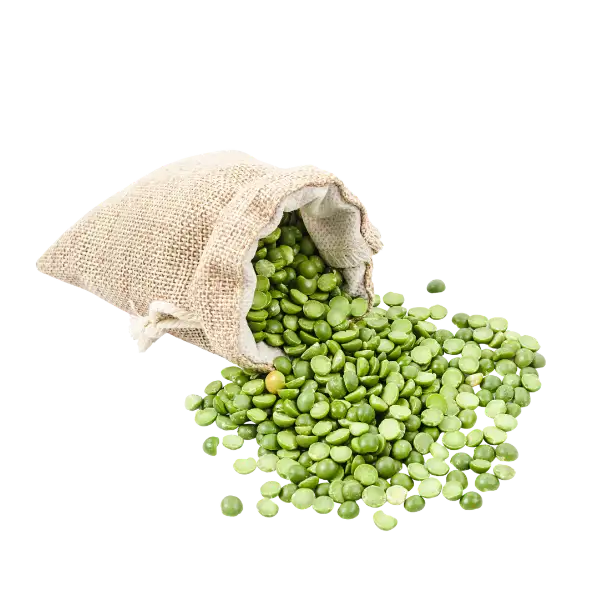
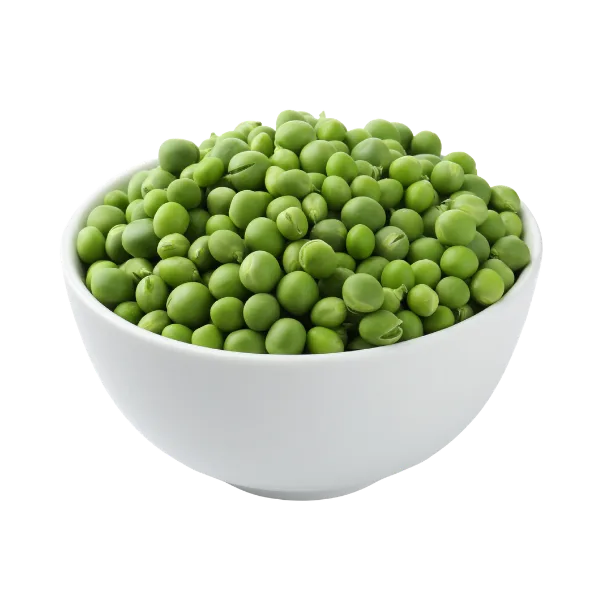
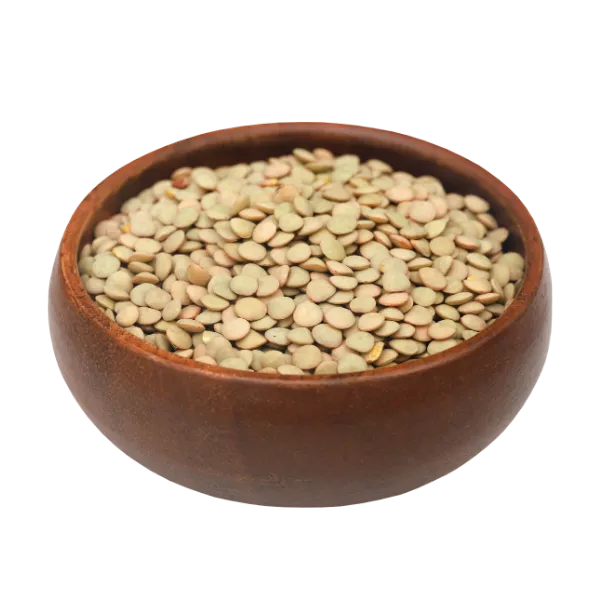
Green split peas are not associated with meaningful histamine content, which is favorable from a histamine intolerance standpoint. Although they come from the same species as fresh green peas, they are processed quite differently: split peas are dried, hulled, and mechanically split, then typically soaked or boiled before eating.
Contrary to a common assumption, this does not make split peas lower in FODMAPs than fresh peas. It is the opposite. Dried pulses such as split peas contain a much higher concentration of galacto-oligosaccharides (GOS) than fresh peas because drying removes the water that dilutes them. Soaking and cooking leach some of the GOS into the cooking water, but not enough to offset the much higher starting concentration. Reference sources, including Monash University, list split peas among legumes high in GOS, alongside legumes such as red kidney beans.
If fresh green peas cause digestive symptoms, split peas are generally not a better substitute from a FODMAP standpoint. Drained canned green peas are a better option to test instead, because industrial processing leaches more GOS into the canning liquid than typical home soaking does.
Does preparation change the risk?
Split peas are generally higher in FODMAPs than fresh, frozen, or canned green peas, regardless of preparation.
| Form | Risk Level | Notes |
|---|---|---|
| Well-soaked and cooked | High | Standard preparation; soaking and cooking reduce GOS somewhat, but split peas still start from a much higher concentration than fresh peas. |
| Split pea soup | High | Same underlying consideration, often compounded by added onion or garlic, which carry their own separate considerations. |
| Fresh or frozen whole peas (for comparison) | Moderate | Lower in GOS than split peas at typical serving sizes; a reasonable alternative to test instead. |
Note: Risk levels are based on clinical observations and patient reports, not standardized histamine measurements. Individual tolerance varies.
A food score is a reference, not a verdict.
Histamine intolerance is highly individual. A food that triggers symptoms in one person may be tolerated by another, even within the same category.
Strict elimination may help reduce symptoms initially, but long-term progress often depends on gradual reintroduction and pattern recognition. The goal is not to remove more foods over time, but to understand your personal tolerance and expand your diet when possible.
Tracking symptoms, portions, and context such as stress or timing can provide insights that generalized food lists cannot. This is where informed decisions replace fear-based restriction.
How to test your tolerance
 Don't assume split peas are the safer choice.
Split peas are generally higher in FODMAPs than fresh green peas, not lower, since drying concentrates GOS well beyond what soaking and cooking can remove.
 Try drained canned peas instead.
If fresh or frozen green peas cause digestive symptoms, drained canned peas are a more reasonable option to test, since industrial canning leaches out meaningfully more GOS than home soaking does.
- Watch for added ingredients in soups.
Split pea soup commonly includes onion or garlic, both of which carry their own separate FODMAP and liberator considerations, on top of the split peas themselves.
 Track your response.
Log how split peas compare to other pea forms using the MyHistaMap app, since individual tolerance still varies.
Common questions about Green split peas and histamine
Are green split peas high in histamine?
No, they are not associated with meaningful histamine content, similar to fresh green peas.
Are split peas easier to tolerate than fresh green peas?
Generally not, from a FODMAP standpoint. Split peas are dried and concentrated, so even after soaking and cooking leach out some GOS, they typically remain higher in FODMAPs than fresh or frozen peas.
Is split pea soup the same as plain split peas for tracking?
Not necessarily - soup recipes commonly include onion, garlic, or other ingredients that carry their own separate considerations beyond the split peas themselves.
If fresh peas cause digestive discomfort, should I try split peas instead?
Probably not as a first choice. Since split peas tend to be higher in FODMAPs than fresh peas, drained canned green peas are a more reasonable substitute to test.
Some people find these options helpful

Supplements are optional tools, not a solution. Personal tracking and identifying your individual triggers remains the priority.
Where this information comes from
At MyHistaMap we curate information from peer reviewed research and recognized medical sources. This guide is a reference tool, not a medical prescription. Always track your own reactions and consult your healthcare provider.
References
- High and low FODMAP foods, Monash University FODMAP: legumes and pulses particularly high in GOS include red kidney beans and split peas, among others; GOS is the main FODMAP present in this food group.