This content is for informational purposes only and does not constitute medical advice. Always consult a qualified healthcare provider before making dietary changes. Histamine tolerance is highly individual.
This information applies to histamine intolerance, DAO deficiency, and MCAS only. If you have a confirmed food allergy, this content does not apply to you. Food allergies involve the immune system and can be life-threatening. Please consult your allergist.
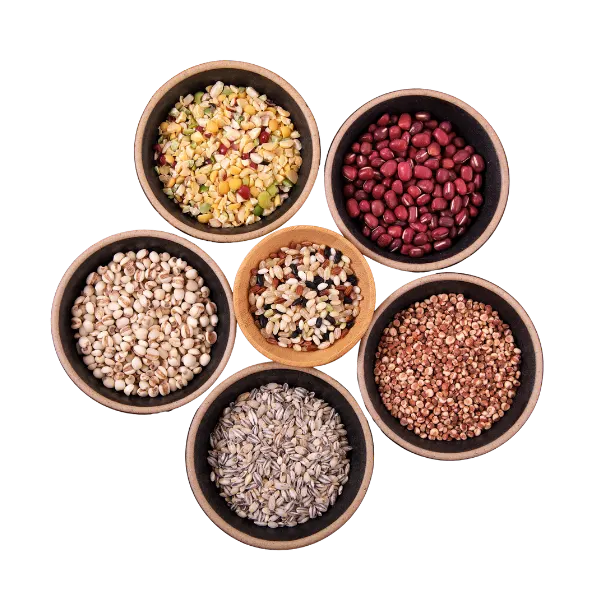
Is Pulses (soy, beans, peas, lentils…) a trigger for histamine intolerance?
Pulses (soy, beans, peas, lentils…) scores a 2 out of 3 on the SIGHI Food Compatibility List, placing it in the Moderate category. It is also classified on some reference lists as a potential histamine liberator. This reflects the reference list's classification rather than a confirmed mast-cell mechanism, since research specifically testing this hasn't provided strong support for it.
Pulses (soy, beans, peas, lentils…) & Histamine, what the evidence says
Pulses are treated with some caution on histamine reference lists, and some sources describe them as potential histamine liberators, meaning they may trigger histamine release in the body beyond their direct content. As a broad legume category, thorough cooking addresses the general lectin consideration shared across this food family.
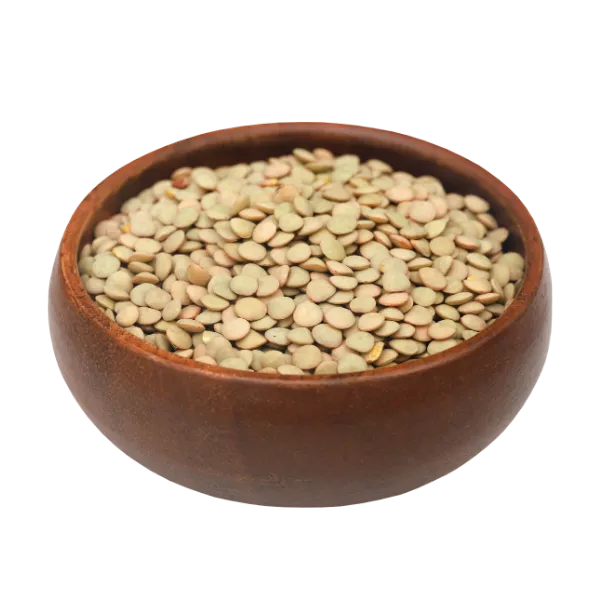
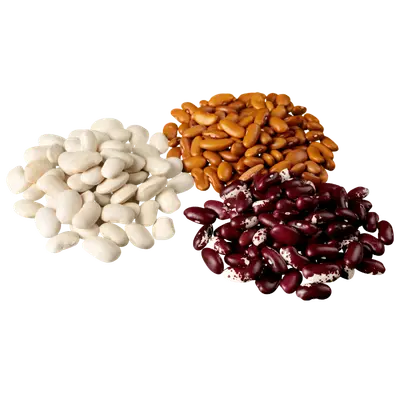
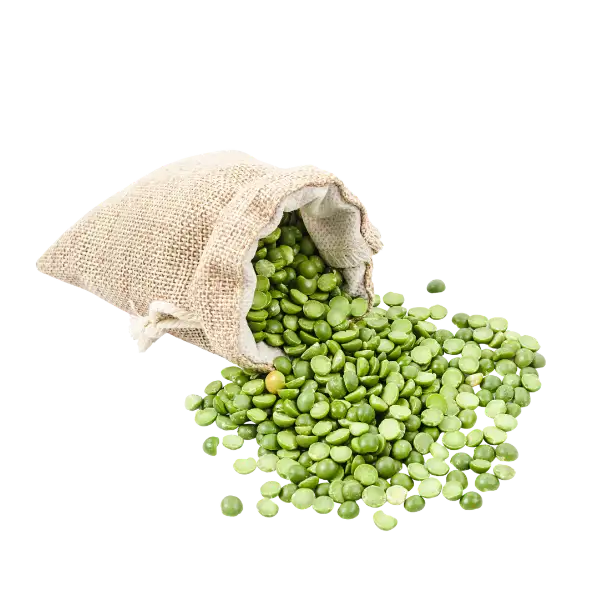
The term pulses has a specific, official meaning that's worth knowing if you're cross-referencing other food lists: the UN Food and Agriculture Organization defines pulses as legumes harvested specifically for their dried, mature seeds, which excludes crops harvested green (like fresh green peas or green beans) and oilseed legumes (like soybeans or peanuts). This means pulses specifically refers to foods like dried lentils, chickpeas, dried beans, and split peas, not their fresh, green-harvested counterparts, which behave somewhat differently nutritionally and are generally tracked as separate entries.
Does preparation change the risk?
Since this is a broad category, the specific pulse and preparation matter more than usual.
| Form | Risk Level | Notes |
|---|---|---|
| Well-cooked, dried pulses | Moderate | Standard preparation; thorough cooking addresses the general lectin consideration |
| Canned, rinsed | Low | Commercial canning involves thorough heat processing |
| Sprouted | Moderate | Sprouting changes the nutrient and antinutrient profile somewhat compared to the dry seed |
Note: Risk levels are based on clinical observations and patient reports, not standardized histamine measurements. Individual tolerance varies.
A food score is a reference, not a verdict.
Histamine intolerance is highly individual. A food that triggers symptoms in one person may be tolerated by another, even within the same category.
Strict elimination may help reduce symptoms initially, but long-term progress often depends on gradual reintroduction and pattern recognition. The goal is not to remove more foods over time, but to understand your personal tolerance and expand your diet when possible.
Tracking symptoms, portions, and context such as stress or timing can provide insights that generalized food lists cannot. This is where informed decisions replace fear-based restriction.
How to test your tolerance
 Know what counts as a pulse.
Officially, pulses are dried, mature legume seeds - dried beans, lentils, chickpeas, split peas. Fresh green peas and green beans are technically a different category, tracked separately.
 Consider the liberator effect.
Pulses as a category are noted as a potential histamine liberator, which is a separate consideration from their direct histamine content.
 Cook thoroughly.
Like other legumes, pulses benefit from thorough cooking to address the general lectin consideration common to this food family.
 Track the specific pulse, not just the category.
Since this entry covers a broad group, logging the exact food (lentils, chickpeas, a specific bean) with MyHistaMap gives you more useful information than tracking "pulses" generically.
Common questions about Pulses (soy, beans, peas, lentils…) and histamine
What exactly counts as a "pulse"?
The FAO officially defines pulses as legumes harvested for their dried, mature seeds only. This excludes fresh green peas, green beans, and oilseed legumes like soybeans and peanuts.
Are pulses high in histamine?
Pulses as a category are noted as a potential histamine liberator on some reference lists, meaning they may trigger histamine release beyond their direct content.
Why are fresh green peas different from pulses?
Green peas are harvested young and fresh, while pulses specifically refers to legumes harvested and dried at full maturity. They're nutritionally and behaviorally somewhat different, which is why they're generally tracked as separate foods.
Should I look up the specific pulse instead of this general category?
Yes, if a more specific entry exists (like lentils or chickpeas), checking that directly will give you more precise information than the general pulses category.
Some people find these options helpful
Supplements are optional tools, not a solution. Personal tracking and identifying your individual triggers remains the priority.
Where this information comes from
At MyHistaMap we curate information from peer reviewed research and recognized medical sources. This guide is a reference tool, not a medical prescription. Always track your own reactions and consult your healthcare provider.
References
- SIGHI (Swiss Interest Group Histamine Intolerance) Food Compatibility List: lists 'legumes (soy, beans, pulses, peas, lentils...)' with a histamine value of 2, marked both 'A' (other amines) and 'L' (liberator). This is the source for the liberator classification referenced on this page.
- FAO, What is the difference between legumes and pulses?: confirms that for a legume to be classified as a pulse, it must be harvested dry with mature seeds, and excludes oil-bearing crops such as soybeans and peanuts, as well as crops grown for fodder or sowing. This is the source for the FAO definition referenced on this page.
- European Food Safety Authority (EFSA), Lectins in Food: Undercooked Beans Pose Health Risk, 2026: an official EFSA risk assessment finding that consuming undercooked pulses poses a genuine health concern due to the lectin phytohemagglutinin, and confirming that properly soaking and boiling deactivates it, making thoroughly cooked pulses safe. This is the source for the lectin and cooking guidance referenced on this page.