This content is for informational purposes only and does not constitute medical advice. Always consult a qualified healthcare provider before making dietary changes. Histamine tolerance is highly individual.
This information applies to histamine intolerance, DAO deficiency, and MCAS only. If you have a confirmed food allergy, this content does not apply to you. Food allergies involve the immune system and can be life-threatening. Please consult your allergist.
Is Lentils a trigger for histamine intolerance?
Lentils scores a 2 out of 3 on the SIGHI Food Compatibility List, placing it in the Moderate category.
Lentils & Histamine, what the evidence says
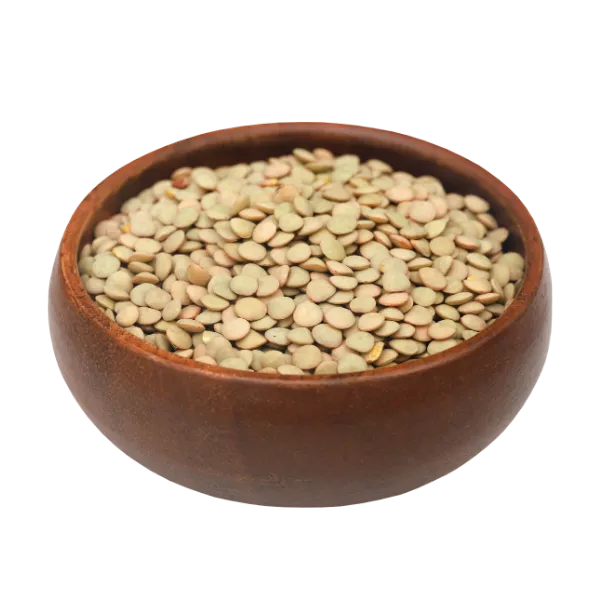
Lentils are naturally low in direct histamine content, but their classification on reference lists is genuinely mixed. Some sources describe them as low-histamine, while SIGHI's elimination diet guidance places legumes, including lentils, among the foods to avoid during the strict elimination phase. Lentils also contain other biogenic amines, so their overall amine profile may be relevant even when their direct histamine content is low. Canned or long-stored lentils tend to run higher than freshly cooked dried lentils, likely due to storage time.
Lentils are also a legume, and as with other legumes, thorough cooking addresses the general lectin consideration common to this food family.
Separately, lentils can be a meaningful source of FODMAPs, specifically GOS and, in some varieties, fructans. This varies considerably by type and preparation: dried red lentils have a notably small low-FODMAP threshold once cooked, dried green and brown lentils tolerate somewhat larger portions, and canned, rinsed lentils of any type generally allow the largest portions, since a meaningful amount of GOS leaches into the canning liquid during processing.
Beyond histamine and FODMAPs, lentils are frequently discussed nutritionally for their iron content. The iron in lentils is non-heme iron, the plant-based form, which is generally absorbed less efficiently than heme iron from meat. Estimates for non-heme iron absorption commonly fall around 2 to 20%, compared with roughly 15 to 35% for heme iron, although actual absorption varies considerably depending on the meal and the person's iron status.
Part of this comes down to phytic acid naturally present in the lentil seed, which binds iron and reduces how much the body can absorb. Vitamin C consumed at the same meal meaningfully improves non-heme iron absorption, while tea, coffee, and calcium consumed alongside the meal can reduce it. This is a genuinely useful practical detail if you rely on lentils as an iron source: pairing them with a vitamin C-containing food, such as citrus or peppers, at the same meal can improve iron absorption.
Does preparation change the risk?
Type, cooking, and canning affect both the histamine consideration and the FODMAP and iron absorption profile of lentils.
| Form | Risk Level | Notes |
|---|---|---|
| Dried red lentils, cooked | Moderate | Naturally low in direct histamine, but reference lists vary; a notably small low-FODMAP threshold once cooked. |
| Dried green or brown lentils, cooked | Moderate | Same histamine consideration as red; tolerates somewhat larger portions from a FODMAP standpoint. |
| Canned, rinsed | Moderate | Generally allows the largest FODMAP-tolerant portions, since GOS leaches into the canning liquid; may run higher in histamine due to storage time. |
| Sprouted | Moderate | Sprouting reduces phytic acid somewhat, which may modestly improve iron absorption. |
Note: Risk levels are based on clinical observations and patient reports, not standardized histamine measurements. Individual tolerance varies.
A food score is a reference, not a verdict.
Histamine intolerance is highly individual. A food that triggers symptoms in one person may be tolerated by another, even within the same category.
Strict elimination may help reduce symptoms initially, but long-term progress often depends on gradual reintroduction and pattern recognition. The goal is not to remove more foods over time, but to understand your personal tolerance and expand your diet when possible.
Tracking symptoms, portions, and context such as stress or timing can provide insights that generalized food lists cannot. This is where informed decisions replace fear-based restriction.
How to test your tolerance
 Reference lists genuinely disagree on lentils.
Lentils are naturally low in direct histamine content, but SIGHI's elimination diet guidance places legumes among the foods to avoid during the strict phase. It's worth testing your own tolerance rather than assuming either extreme.
 Canned and rinsed generally works best for FODMAPs.
Canned, rinsed lentils tend to allow larger portions than dried lentils cooked at home, since a meaningful amount of GOS leaches into the canning liquid during processing.
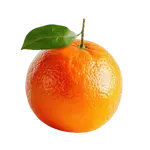 Pair with vitamin C to boost iron absorption.
Adding citrus, peppers, or other vitamin C-rich foods to the same meal as lentils meaningfully improves how much non-heme iron your body actually absorbs.
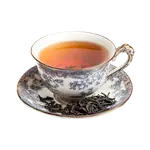 Separate lentils from tea or coffee at meals.
Tea and coffee consumed alongside lentils can inhibit iron absorption, so spacing them out is a reasonable practical adjustment if iron intake matters to you.
 Cook thoroughly.
Like other legumes, lentils benefit from thorough cooking to address the general lectin consideration.
 Track your response.
Log the specific form (whole, sprouted, canned) using the MyHistaMap app, since preparation varies for both histamine and FODMAP purposes.
Common questions about Lentils and histamine
Are lentils high in histamine?
Lentils are naturally low in direct histamine content, but reference lists genuinely disagree: some describe them as low-histamine, while SIGHI's elimination diet guidance places legumes among the foods to avoid during the strict phase. Testing your own tolerance is more reliable than any single source here.
Do lentils have a FODMAP consideration too?
Yes. Lentils can be a meaningful source of GOS and, in some varieties, fructans. Dried red lentils have a smaller low-FODMAP threshold than green or brown, and canned, rinsed lentils of any type generally allow the largest portions.
Why is the iron in lentils absorbed so poorly?
Lentils contain non-heme iron, the plant-based form, which is generally absorbed less efficiently than heme iron from meat. Estimates commonly fall around 2-20% for non-heme iron versus roughly 15-35% for heme iron, though actual absorption varies by meal and individual iron status. Phytic acid in the seed also binds iron and further reduces absorption.
Does eating vitamin C with lentils really make a difference?
Yes, this is a well-documented effect. Vitamin C converts non-heme iron into a more absorbable form, so pairing lentils with citrus or peppers at the same meal can meaningfully increase how much iron you actually absorb.
Should I avoid tea or coffee with lentils?
If iron intake is a priority for you, spacing out tea or coffee from lentil-containing meals is a reasonable practical step, since both can inhibit non-heme iron absorption.
Some people find these options helpful


Supplements are optional tools, not a solution. Personal tracking and identifying your individual triggers remains the priority.
Where this information comes from
At MyHistaMap we curate information from peer reviewed research and recognized medical sources. This guide is a reference tool, not a medical prescription. Always track your own reactions and consult your healthcare provider.
References
- SIGHI Leaflet, Histamine Elimination Diet, Swiss Interest Group Histamine Intolerance: legumes, including lentils, beans, and soy products, are listed among the foods to avoid during the strict elimination phase of a histamine elimination diet.
- FODMAP food list, Monash University FODMAP: lentils contain the FODMAPs GOS and, depending on variety, fructans, with low-FODMAP portion sizes varying considerably by lentil type and preparation, and canned, rinsed lentils generally tolerating larger portions than lentils cooked from dried.
- Iron, StatPearls (NCBI Bookshelf): non-heme iron from plant sources is absorbed considerably less efficiently than heme iron from animal sources, and its absorption is strongly influenced by other dietary factors consumed in the same meal, including enhancers like vitamin C and inhibitors like phytic acid, tannins, and calcium.