This content is for informational purposes only and does not constitute medical advice. Always consult a qualified healthcare provider before making dietary changes. Histamine tolerance is highly individual.
This information applies to histamine intolerance, DAO deficiency, and MCAS only. If you have a confirmed food allergy, this content does not apply to you. Food allergies involve the immune system and can be life-threatening. Please consult your allergist.
Is Lime a trigger for histamine intolerance?
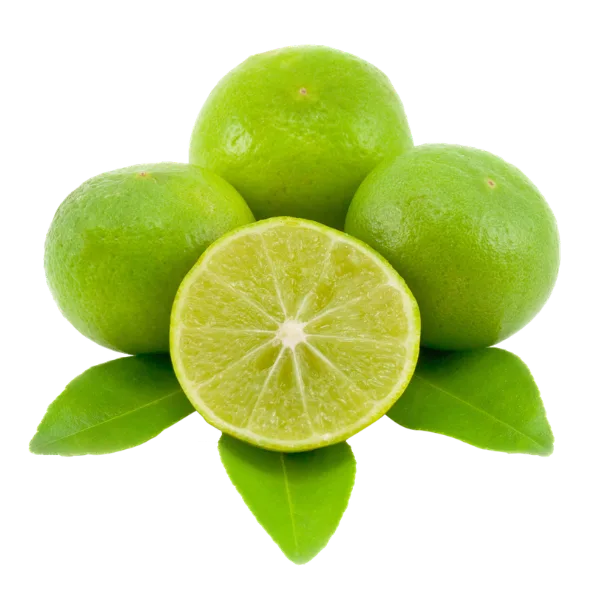
Lime scores a 3 out of 3 on the SIGHI Food Compatibility List, placing it in the High category. It is also classified on some reference lists as a potential histamine liberator. This reflects the reference list's classification rather than a confirmed mast-cell mechanism, since research specifically testing this hasn't provided strong support for it.
Lime & Histamine, what the evidence says
Lime carries a well-documented skin safety consideration that has nothing to do with histamine intolerance: phytophotodermatitis, sometimes called margarita burn or lime disease. It occurs when lime juice or other lime material containing photosensitizing compounds comes into contact with the skin and is followed by exposure to sunlight. Lime is one of the most common and best-known causes of this type of reaction, particularly because people are frequently exposed to lime juice while making cocktails, cooking, or handling the fruit outdoors. Phytophotodermatitis is a phototoxic reaction rather than an allergic reaction.
Lime contains furanocoumarins, the same general class of photosensitizing compounds responsible for phytophotodermatitis from fig sap, discussed elsewhere on this site. When lime juice contacts the skin and that skin is then exposed to UVA sunlight, these compounds can damage skin cells and produce a reaction that resembles a severe sunburn. The burning, redness, swelling, and sometimes blistering typically develop within 24 to 48 hours, often in an irregular or streaky pattern that follows where the juice dripped, splashed, or was rubbed onto the skin. After the acute reaction resolves, the affected areas can remain noticeably darker for months or longer.
This is common enough to have well-documented occupational and recreational patterns. Bartenders, cooks, agricultural workers, beachgoers, and other people who handle limes while spending time outdoors can be exposed without realizing that the juice has made their skin photosensitive. Case reports include severe blistering reactions after preparing margaritas or other drinks containing large amounts of lime, as well as outbreaks among children handling limes outdoors. Washing the affected skin thoroughly with soap and water after handling limes, and before spending time in the sun, is a simple precaution that can help remove the photosensitizing compounds.
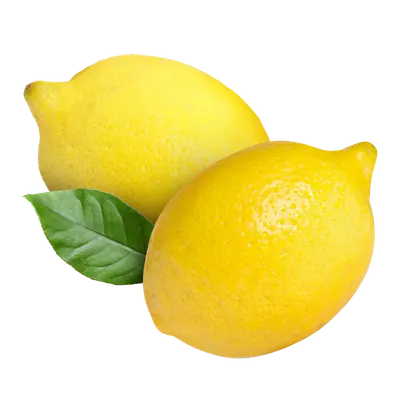
One naming note is worth mentioning because the word "lime" does not always correspond to the same fruit in English and Spanish. In English, "lime" generally refers to the small, green, acidic citrus fruit, while "lemon" refers to the larger, usually yellow citrus fruit. In Spain, "lima" refers to the fruit called lime in English, while "limón" refers to lemon. In much of Latin America, however, including Mexico and Venezuela, the small green, acidic fruit called "lime" in English is commonly called "limón" or "limón verde," while "lima" may refer to a different, rounder, sweeter citrus variety. This page is about the fruit called lime in English: the small, green, acidic citrus fruit.
Separate from this skin safety consideration, lime's histamine profile carries the same general caution as other citrus fruits. It is better approached with attention to individual tolerance, freshness, and ripeness rather than being treated as a universally risk-free food.
Does preparation change the risk?
For lime, skin contact plus sun exposure is the main documented safety concern, separate from histamine, which follows general citrus caution.
| Form | Risk Level | Notes |
|---|---|---|
| Fresh lime, eaten or juiced, no skin contact before sun exposure | Low | Follow the same general freshness caution as other citrus for histamine purposes |
| Lime juice on skin, washed off before sun exposure | Low | Washing thoroughly with soap and water removes the photosensitizing compounds |
| Lime juice on skin, followed by sun exposure | High | This is a documented phototoxic skin reaction, not a histamine consideration. Wash hands and skin before going out in the sun. |
Note: The higher-risk row here reflects a well-documented skin reaction, not standardized histamine measurements. This is separate from histamine intolerance.
A food score is a reference, not a verdict.
Histamine intolerance is highly individual. A food that triggers symptoms in one person may be tolerated by another, even within the same category.
Strict elimination may help reduce symptoms initially, but long-term progress often depends on gradual reintroduction and pattern recognition. The goal is not to remove more foods over time, but to understand your personal tolerance and expand your diet when possible.
Tracking symptoms, portions, and context such as stress or timing can provide insights that generalized food lists cannot. This is where informed decisions replace fear-based restriction.
How to test your tolerance
 Wash your hands after squeezing or handling limes.
Soap and water before going out in the sun is the simplest way to prevent phytophotodermatitis.
- Be extra cautious making cocktails or cooking outdoors.
Bartenders and cooks are commonly affected because lime juice easily gets on the skin during these activities.
 Know the warning signs.
A red, burning, sometimes blistering rash appearing 24 to 48 hours after lime juice contacted your skin, especially in a streaky pattern, points to phytophotodermatitis rather than a typical sunburn.
- This isn't treated like a sunburn alone.
Phytophotodermatitis can leave dark, long-lasting marks. See a doctor if you develop blistering or a rash matching this pattern.
- Check which fruit you actually mean.
If you're in Latin America and looking for information on "limón" (the small green, sour fruit), you're likely in the right place, since that's what English calls lime.
 This isn't a histamine tracking issue.
For MyHistaMap purposes, lime follows general citrus caution around freshness. Its more notable safety consideration is unrelated to histamine.
Common questions about Lime and histamine
Is lime the same fruit as "lima" in Spanish?
Not always. In Spain, "lima" matches the English "lime." In much of Latin America, including Mexico and Venezuela, the small green, sour fruit English calls "lime" is usually called "limón," while "lima" may refer to a different, rounder, sweeter fruit.
What is margarita burn?
It's a common name for phytophotodermatitis caused by lime, a phototoxic skin reaction that occurs when lime juice on the skin is followed by sun exposure. It's not an allergic reaction and isn't related to histamine.
How do I avoid lime-related skin reactions?
Wash your hands and any exposed skin thoroughly with soap and water after handling or squeezing limes, especially before spending time in the sun.
Is lime high in histamine?
Lime follows the same general caution as other citrus fruits, requiring attention to freshness and individual tolerance rather than being treated as risk-free, but this is a secondary consideration compared to its well-documented skin reaction risk.
Some people find these options helpful





Supplements are optional tools, not a solution. Personal tracking and identifying your individual triggers remains the priority.
Where this information comes from
At MyHistaMap we curate information from peer reviewed research and recognized medical sources. This guide is a reference tool, not a medical prescription. Always track your own reactions and consult your healthcare provider.
References
- Margarita Photodermatitis, New England Journal of Medicine, 1993: an early, widely cited case documenting the phototoxic reaction pattern from lime juice and sun exposure. The source for the classic case reference on this page.
- Phytophotodermatitis From Lime Margaritas on a Mexico Vacation, Cureus, 2024: describes furanocoumarins as the causative compounds, active mainly in the Rutaceae and Umbelliferae plant families, and documents a hyperpigmented patch from lime margarita exposure. The source for the mechanism and case example referenced on this page.
- Lime Juice and Sun Can Cause Skin Rashes, Poison Control: describes lime as a leading cause of phytophotodermatitis, with documented occupational patterns among bartenders, agricultural workers, and grocery store employees, and recommends washing exposed skin promptly. The source for the occupational patterns and prevention advice referenced on this page.