This content is for informational purposes only and does not constitute medical advice. Always consult a qualified healthcare provider before making dietary changes. Histamine tolerance is highly individual.
This information applies to histamine intolerance, DAO deficiency, and MCAS only. If you have a confirmed food allergy, this content does not apply to you. Food allergies involve the immune system and can be life-threatening. Please consult your allergist.
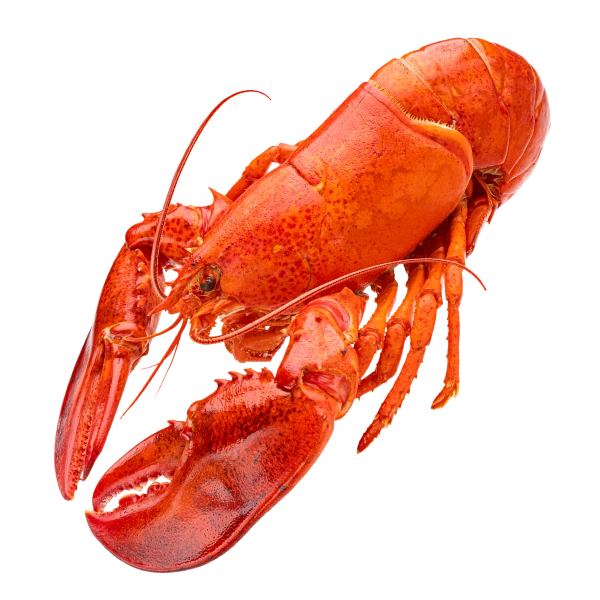
Is Lobster a trigger for histamine intolerance?
Lobster scores a 2 out of 3 on the SIGHI Food Compatibility List, placing it in the Moderate category. It is also classified on some reference lists as a potential histamine liberator. This reflects the reference list's classification rather than a confirmed mast-cell mechanism, since research specifically testing this hasn't provided strong support for it.
Lobster & Histamine, what the evidence says
Lobster is not associated with meaningful histamine content on compatibility reference lists.
It carries a nutritional and safety consideration unrelated to histamine, tied specifically to the tomalley, the soft green substance in the body cavity that functions as the lobster's liver and pancreas. The tomalley can accumulate environmental contaminants, including mercury, PCBs, and dioxins. Because of these contaminants, Maine health authorities advise consumers not to eat lobster tomalley, with the recommendation applying to everyone.
Separately, tomalley can also concentrate toxins responsible for paralytic shellfish poisoning (PSP) during harmful algal bloom events, commonly known as red tide. In 2008, the FDA advised consumers not to eat tomalley from American lobster caught anywhere in the Atlantic Ocean after unusually high PSP toxin levels were found during a red tide episode. These toxins are heat-stable, so cooking does not eliminate them.
In both cases, the concern is specific to the tomalley. Lobster meat, including the tail and claw meat most commonly eaten, is not subject to the same concerns. FDA reported that lobster meat was typically unaffected even when high levels of PSP toxins were present in the tomalley, and Maine's more recent testing found lobster muscle to contain low levels of PCBs and dioxins/furans without requiring a consumption advisory.
Does preparation change the risk?
Whether tomalley is eaten or discarded is the main variable here, not preparation method, and this is a safety consideration separate from histamine.
| Form | Risk Level | Notes |
|---|---|---|
| Tail and claw meat only | Low | Not associated with meaningful histamine content; not subject to the tomalley-related concerns |
| Whole cooked lobster, tomalley discarded | Low | Same as tail and claw meat if the tomalley isn't eaten |
| Tomalley eaten regularly | High | Maine health authorities advise against eating tomalley due to accumulated environmental contaminants |
| Tomalley during a red tide event | High | Can concentrate PSP toxins, which are heat-stable and unrelated to histamine |
Note: Risk levels are based on clinical observations and patient reports, not standardized histamine measurements. Individual tolerance varies.
A food score is a reference, not a verdict.
Histamine intolerance is highly individual. A food that triggers symptoms in one person may be tolerated by another, even within the same category.
Strict elimination may help reduce symptoms initially, but long-term progress often depends on gradual reintroduction and pattern recognition. The goal is not to remove more foods over time, but to understand your personal tolerance and expand your diet when possible.
Tracking symptoms, portions, and context such as stress or timing can provide insights that generalized food lists cannot. This is where informed decisions replace fear-based restriction.
How to test your tolerance
 Skip the tomalley.
Maine health authorities advise everyone against eating lobster tomalley due to accumulated environmental contaminants like PCBs, dioxins, and mercury.
 Lobster meat itself is the safer choice.
The tail and claw meat most commonly eaten isn't subject to the same contamination concerns as tomalley.
 Red tide adds another reason to avoid tomalley.
During harmful algal bloom events, tomalley can concentrate PSP toxins, which cooking does not eliminate.
 Cooking doesn't help with tomalley toxins.
Unlike histamine concerns elsewhere, PSP toxins in tomalley are heat-stable, so cooking the lobster doesn't reduce this particular risk.
 Track your response.
Log whether tomalley was included and any symptoms using MyHistaMap if you're testing lobster.
Common questions about Lobster and histamine
Is lobster high in histamine?
No, lobster is not associated with meaningful histamine content on compatibility reference lists.
What is tomalley and why should I avoid it?
Tomalley is the soft green substance in the lobster's body cavity that functions as its liver and pancreas. It can accumulate environmental contaminants including mercury, PCBs, and dioxins, and Maine health authorities advise everyone against eating it for this reason.
Is lobster meat safe if tomalley isn't?
Yes. The concerns around tomalley are specific to that organ. Lobster meat, including the tail and claw meat most commonly eaten, is not subject to the same contamination concerns.
Does cooking lobster eliminate tomalley-related risks?
No. PSP toxins that can concentrate in tomalley during red tide events are heat-stable, so cooking doesn't eliminate them. This is unrelated to histamine.
Some people find these options helpful





Supplements are optional tools, not a solution. Personal tracking and identifying your individual triggers remains the priority.
Where this information comes from
At MyHistaMap we curate information from peer reviewed research and recognized medical sources. This guide is a reference tool, not a medical prescription. Always track your own reactions and consult your healthcare provider.
References
- Saltwater Fish & Lobster Tomalley Safe Eating Guidelines, Maine DHHS/CDC: advises no consumption of lobster tomalley for everyone, noting it accumulates environmental contaminants including mercury, PCBs, and dioxins, while lobster meat itself carries no known safety concern. The primary source for this page's tomalley contamination guidance.
- FDA Warns Consumers to Avoid Eating Lobster Tomalley, 2008: reports the FDA's July 2008 advisory against eating tomalley from American lobster caught anywhere in the Atlantic Ocean due to PSP toxin levels linked to a red tide episode, confirming that lobster meat itself is typically unaffected and that cooking does not eliminate PSP toxins. The source for this page's PSP and red tide section.