This content is for informational purposes only and does not constitute medical advice. Always consult a qualified healthcare provider before making dietary changes. Histamine tolerance is highly individual.
This information applies to histamine intolerance, DAO deficiency, and MCAS only. If you have a confirmed food allergy, this content does not apply to you. Food allergies involve the immune system and can be life-threatening. Please consult your allergist.
Is Margarine (check for additives) a trigger for histamine intolerance?
Margarine (check for additives) scores a 0 out of 3 on the SIGHI Food Compatibility List, placing it in the Safe category.
Margarine (check for additives) & Histamine, what the evidence says
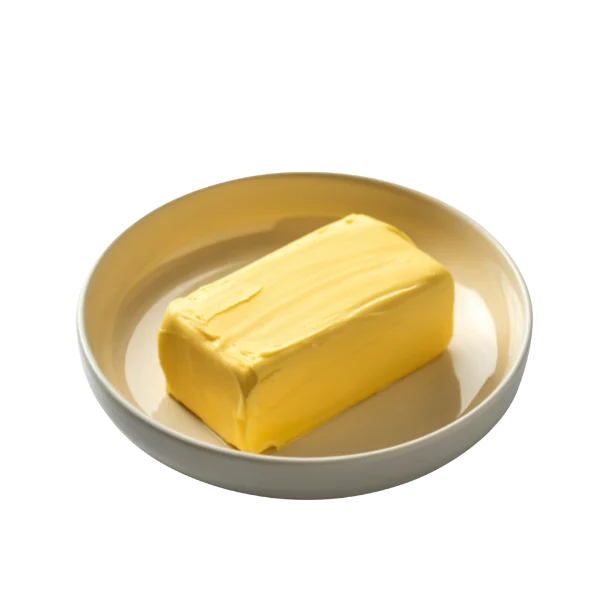
Margarine itself is not associated with meaningful histamine content. However, it's a processed food made from a blend of oils and other ingredients, so it's worth checking for other intolerated additives rather than treating all margarine as equivalent.
Historically, margarine was made by partially hydrogenating liquid oils to make them solid at room temperature, a process that generates trans fats, compounds linked to cardiovascular disease with regular consumption. This isn't a histamine consideration, but it explains why margarine has had a complicated nutritional reputation. Most manufacturers have since moved away from partially hydrogenated oils, using other fat-processing methods to achieve a solid texture without producing the same trans fats. Beyond the base fat processing, formulations still vary widely between brands: emulsifiers, preservatives, colorings, or flavorings can each be independent triggers separate from the base histamine profile.
Does preparation change the risk?
Ingredient list and processing method are the main variables for margarine.
| Form | Risk Level | Notes |
|---|---|---|
| Simple formulation, few additives | Low | Fewer ingredients generally means fewer potential independent triggers. |
| Standard commercial margarine | Moderate | May contain emulsifiers, preservatives, or flavorings worth checking. |
| Heavily fortified or flavored | High | Additional additives increase the chance of an independent trigger. |
Note: Risk levels are based on clinical observations and patient reports, not standardized histamine measurements. Individual tolerance varies.
A food score is a reference, not a verdict.
Histamine intolerance is highly individual. A food that triggers symptoms in one person may be tolerated by another, even within the same category.
Strict elimination may help reduce symptoms initially, but long-term progress often depends on gradual reintroduction and pattern recognition. The goal is not to remove more foods over time, but to understand your personal tolerance and expand your diet when possible.
Tracking symptoms, portions, and context such as stress or timing can provide insights that generalized food lists cannot. This is where informed decisions replace fear-based restriction.
How to test your tolerance
 Read the full ingredient list.
Look for emulsifiers, preservatives, colorings, and flavorings that could be independent triggers.
 Check for "partially hydrogenated" oils.
This phrase indicates the older processing method associated with trans fats. Most modern margarines avoid it, but it's worth confirming on the label if you're unsure.
 Favor simpler formulations.
Margarines with fewer ingredients are generally easier to assess for tolerance.
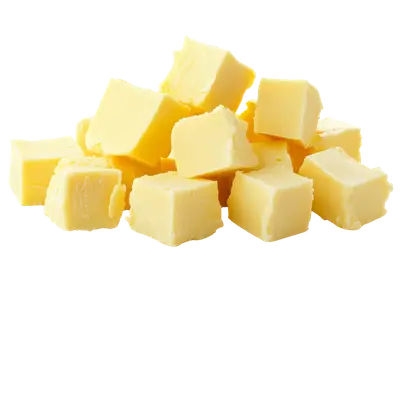
 Consider butter as a comparison point.
Since margarine formulations vary, comparing your response to a simple butter can help isolate whether additives are the issue.
 Track your response by brand.
Because formulations differ, log the specific product used with the MyHistaMap app rather than margarine as a general category.
Common questions about Margarine (check for additives) and histamine
Is margarine high in histamine?
No, margarine itself is not associated with meaningful histamine content.
Does margarine contain trans fats?
It depends on the processing method. Older-style margarines made by partial hydrogenation could contain trans fats. Most manufacturers have since moved to other fat-processing methods that avoid this issue, but checking the label is still worthwhile.
Why does margarine need more caution than plain oils?
Margarine is a processed blend that often includes additives such as emulsifiers or preservatives, which can be independent triggers separate from histamine.
Is butter a safer choice than margarine?
It depends on the individual product and formulation. Simple, unflavored butter or margarine with minimal additives is generally easier to assess.
Some people find these options helpful

Supplements are optional tools, not a solution. Personal tracking and identifying your individual triggers remains the priority.
Where this information comes from
At MyHistaMap we curate information from peer reviewed research and recognized medical sources. This guide is a reference tool, not a medical prescription. Always track your own reactions and consult your healthcare provider.
References
- Making Trans-Fat Free Margarine, Office for Science and Society, McGill University: partial hydrogenation of liquid oils produces trans fatty acids as a side effect, and processes like interesterification, which uses an enzyme to randomly rearrange fatty acids on the glycerol backbone, achieve a similar solid texture without producing trans fats.