This content is for informational purposes only and does not constitute medical advice. Always consult a qualified healthcare provider before making dietary changes. Histamine tolerance is highly individual.
This information applies to histamine intolerance, DAO deficiency, and MCAS only. If you have a confirmed food allergy, this content does not apply to you. Food allergies involve the immune system and can be life-threatening. Please consult your allergist.
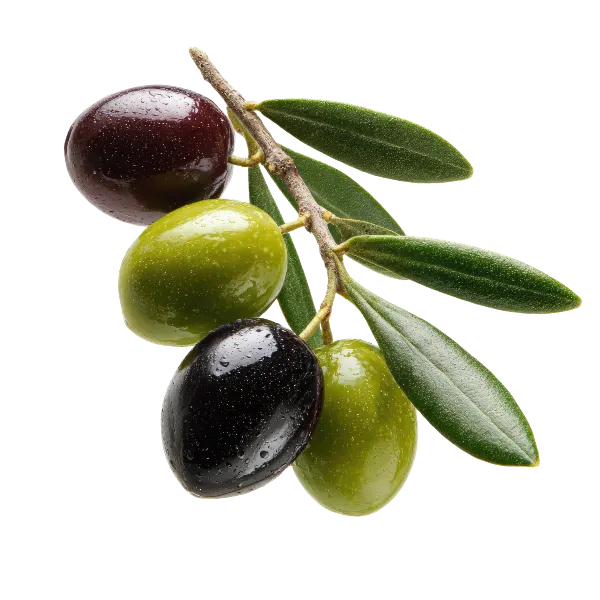
Is Olives a trigger for histamine intolerance?
Olives scores a 2 out of 3 on the SIGHI Food Compatibility List, placing it in the Moderate category.
Olives & Histamine, what the evidence says
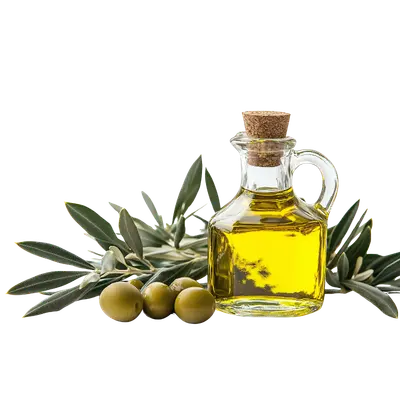
Olives straight off the tree are essentially inedible: raw olive flesh contains oleuropein, a bitter compound that can make up a substantial portion of the fruit's dry weight. The table olives you eat have been through a curing process designed to reduce this compound, using lye, brine, dry salt, or repeated water changes, depending on the method.
Here's the detail relevant to histamine: some of the most common brine-curing methods involve fermentation. Naturally occurring bacteria convert the olive's sugars into lactic acid over a period of weeks to months. As with other fermented foods, this microbial activity can also lead to the formation of biogenic amines, although the amounts depend on the microorganisms, curing conditions, and storage rather than fermentation alone.
Curing method also affects the final product. Dry salt-cured olives undergo a different process from brine-fermented olives, so their final composition and flavor can differ. For histamine tracking, the type of olive and how it was cured can therefore matter more than simply treating all olives as the same food.
Does preparation change the risk?
Curing method is the main variable for olives, more so than color or size.
| Form | Risk Level | Notes |
|---|---|---|
| Brine-cured, fermented | Moderate | Directly brined without lye; involves bacterial fermentation over one to several months |
| Lye-cured (Spanish-style) | High | Treated with an alkaline solution before brine fermentation; research has measured higher biogenic amine levels in this style than in directly brined olives |
| Dry salt-cured | Moderate | A different curing process than brine fermentation, so composition and flavor can differ from brined olives |
| Stuffed / flavored | Moderate | Added ingredients (garlic, peppers, cheese) introduce independent variables |
Note: Risk levels are based on clinical observations and patient reports, not standardized histamine measurements. Individual tolerance varies.
A food score is a reference, not a verdict.
Histamine intolerance is highly individual. A food that triggers symptoms in one person may be tolerated by another, even within the same category.
Strict elimination may help reduce symptoms initially, but long-term progress often depends on gradual reintroduction and pattern recognition. The goal is not to remove more foods over time, but to understand your personal tolerance and expand your diet when possible.
Tracking symptoms, portions, and context such as stress or timing can provide insights that generalized food lists cannot. This is where informed decisions replace fear-based restriction.
How to test your tolerance
 Lye-cured isn't the gentler option.
Spanish-style olives are treated with an alkaline solution before going into brine to ferment. Research has found this style can end up with more biogenic amines than olives fermented directly in brine, not fewer.
 Watch for added ingredients.
Stuffed or flavored olives (garlic, cheese, peppers) introduce independent variables beyond the olive itself.
 Salicylate content varies widely.
Salicylate measurements for olives differ substantially between studies and likely depend on variety and color, so it's worth treating this as an individual variable rather than assuming a fixed level.
 Track your response.
Log the type and curing method (if known) using the MyHistaMap app, since these can vary meaningfully between products.
Common questions about Olives and histamine
Are olives high in histamine?
Olives carry a histamine consideration worth checking against your personal tolerance, likely related to the fermentation involved in most curing methods.
Why do olives need to be cured at all?
Raw olives contain oleuropein, a bitter compound that makes up a large share of the fruit's dry weight and makes them essentially inedible without processing.
Is olive curing the same as fermentation?
Many common methods, including brine curing, genuinely involve fermentation: bacteria convert the olive's sugars into lactic acid over one to several months. This is likely connected to olives' histamine consideration.
Are all curing methods the same?
No. Lye-cured (Spanish-style) olives are treated with an alkaline solution and then fermented in brine, and research has measured higher biogenic amine levels in this style than in olives fermented directly in brine without lye. Dry salt curing is a different process altogether, resulting in a different composition and flavor. These differences may affect the final histamine and salicylate profile.
Some people find these options helpful

Supplements are optional tools, not a solution. Personal tracking and identifying your individual triggers remains the priority.
Where this information comes from
At MyHistaMap we curate information from peer reviewed research and recognized medical sources. This guide is a reference tool, not a medical prescription. Always track your own reactions and consult your healthcare provider.
References
- García-García et al., Content of Biogenic Amines in Table Olives, Journal of Food Protection, 2000: measured biogenic amines in olive flesh and brines and found that Spanish-style (lye-cured, then brine-fermented) olives had consistently higher biogenic amine levels than olives fermented directly in brine without lye treatment.
- Oleuropein in Olive and its Pharmacological Effects, PMC review: confirms oleuropein content in young olive fruit can reach 14% of dry matter, declining as the fruit ripens, supporting the description of raw olives as containing a substantial share of this bitter compound.
- Malakar, Gibson, Barrett & Muir, Naturally Occurring Dietary Salicylates: A Closer Look at Common Australian Foods, Journal of Food Composition and Analysis, 2017: measured black olives at 26.75 mg/kg using gas chromatography-mass spectrometry, among the higher values recorded for vegetables in this study.
- Kęszycka, Szkop & Gajewska, Overall Content of Salicylic Acid and Salicylates in Food Available on the European Market, Journal of Agricultural and Food Chemistry, 2017: measured green olives at 0.0385 mg/kg, a negligible level. Together with the Malakar findings above, this illustrates why olive salicylate content is best treated as variable rather than uniformly high.