This content is for informational purposes only and does not constitute medical advice. Always consult a qualified healthcare provider before making dietary changes. Histamine tolerance is highly individual.
This information applies to histamine intolerance, DAO deficiency, and MCAS only. If you have a confirmed food allergy, this content does not apply to you. Food allergies involve the immune system and can be life-threatening. Please consult your allergist.
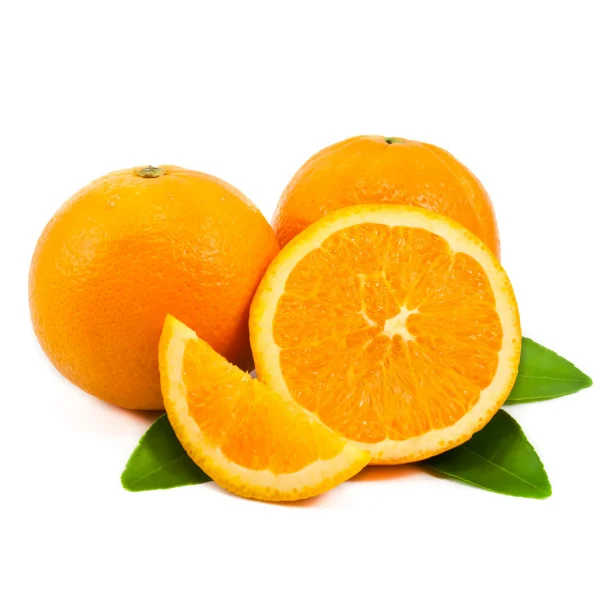
Is Orange a trigger for histamine intolerance?
Orange scores a 3 out of 3 on the SIGHI Food Compatibility List, placing it in the High category. It is also classified on some reference lists as a potential histamine liberator. This reflects the reference list's classification rather than a confirmed mast-cell mechanism, since research specifically testing this hasn't provided strong support for it.
Orange & Histamine, what the evidence says
Orange is consistently placed in the higher-caution range on some low-histamine diet reference systems, which may also flag it as a potential "histamine liberator." In this context, the term refers to the idea that certain foods can trigger the body's own mast cells to release histamine rather than simply containing histamine themselves. However, this proposed mechanism is much less scientifically established than the widespread use of the term might suggest.
Research specifically examining direct, non-allergic mast-cell activation by food has not provided strong evidence that foods commonly labeled as histamine liberators reliably cause direct histamine release. In one study of patients with chronic urticaria, researchers tested suspected food pseudoallergens and found that tomato extract itself did not directly trigger histamine release from human skin mast cells. Other studies have found that diets low in so-called pseudoallergens can improve symptoms in a subset of people with chronic urticaria, but a clinical response to dietary restriction does not by itself prove that the foods directly caused mast-cell degranulation. The biological mechanism behind these reactions therefore remains uncertain.
This distinction matters because the "histamine liberator" label is often presented as though it were an established property of specific foods. It is more accurate to treat it as a dietary classification based on reported reactions and older pseudoallergen research rather than as proof of a specific mechanism. This does not mean that orange cannot cause symptoms in someone who is sensitive to it. It means that the explanation for those reactions should not automatically be described as direct mast-cell histamine release.
Orange also has genuine, well-documented food allergens that are completely separate from this question. One of these is Cit s 7, a gibberellin-regulated protein. In a study of 14 patients with confirmed orange allergy, 12 were positive for Cit s 7 in at least one of the allergy tests used, including ELISA, skin-prick testing, or basophil activation testing. The same study found evidence of cross-reactivity between the orange protein and Pru p 7, an allergen found in peach. These findings represent genuine IgE-mediated food allergy rather than histamine intolerance.
Orange also contains Cit s 3, a lipid transfer protein (LTP) that belongs to the same allergen family as the major peach allergen Pru p 3. In a study of patients with orange allergy, specific IgE to orange LTP was detected in a substantial proportion of those tested, and inhibition experiments demonstrated IgE cross-reactivity between orange, lemon, and peach LTPs. LTP sensitization can be associated with reactions ranging from oral symptoms to systemic allergic reactions, depending on the individual.
Orange peel and zest are treated somewhat differently from the flesh in some low-histamine reference systems, although they may still carry the same "liberator" designation. That classification should be understood as a reference-system label rather than proof that the peel directly causes mast-cell histamine release.
Overall, orange remains a food that some people with suspected histamine intolerance choose to approach cautiously, but the reason should be described carefully. Its commonly cited "histamine liberator" status is not supported by a firmly established direct mast-cell mechanism, while its ability to cause genuine IgE-mediated allergy is well documented.
Does preparation change the risk?
For orange, allergy history (LTP or Cit s 7 sensitization) is the most clearly established consideration. Its "liberator" classification reflects a reference-list label rather than a confirmed mechanism.
| Form | Risk Level | Notes |
|---|---|---|
| Fresh orange, no known allergy | Moderate | Flagged with caution on reference lists; individual tolerance varies considerably |
| Orange peel or zest | Moderate | Rated somewhat differently from the flesh on reference lists, though still flagged as a potential liberator |
| Any amount, known or suspected orange or peach LTP allergy | High | This is a documented allergy consideration, not a histamine one. Seek allergist evaluation. |
| Overripe or aged orange/orange juice | High | General freshness caution applies as with other citrus |
Note: Risk levels here reflect reference-list classifications and documented allergy patterns, not a confirmed histamine-liberator mechanism.
A food score is a reference, not a verdict.
Histamine intolerance is highly individual. A food that triggers symptoms in one person may be tolerated by another, even within the same category.
Strict elimination may help reduce symptoms initially, but long-term progress often depends on gradual reintroduction and pattern recognition. The goal is not to remove more foods over time, but to understand your personal tolerance and expand your diet when possible.
Tracking symptoms, portions, and context such as stress or timing can provide insights that generalized food lists cannot. This is where informed decisions replace fear-based restriction.
How to test your tolerance
 Track your own response rather than assuming the mechanism.
Orange's "liberator" label reflects a reference-list classification, not a proven mast-cell mechanism. If it affects you, that's worth tracking regardless of why.
 Consider allergy testing for repeated reactions.
Orange has genuine, documented allergens (Cit s 7 and LTP). If you react consistently, especially with symptoms beyond mild discomfort, an allergist can clarify whether this is a true allergy.
- Consider peach cross-reactivity.
Orange shares allergen families with peach. If you have a known peach or LTP allergy, be cautious with orange too.
 Don't over-interpret the liberator label.
This term describes a reference-list classification, not a scientifically confirmed mechanism. Research specifically testing direct mast-cell activation by foods has not found strong support for it.
 Peel and flesh aren't rated identically.
Some reference lists treat orange peel and zest somewhat differently from the flesh, though both may carry a liberator note.
 Log your actual symptoms, not just the label.
In MyHistaMap, note what you experience with orange specifically, since the reference classification doesn't tell you why a reaction might occur.
Common questions about Orange and histamine
Is orange a proven histamine liberator?
It's flagged as a potential liberator on some reference lists, but the underlying mechanism, direct mast-cell activation by food, hasn't been firmly established by research. This is a reference-list classification, not a confirmed biological mechanism.
Is orange high in histamine?
It's placed in the higher-caution range on some reference lists. Its more clearly documented consideration is genuine allergy potential, distinct from histamine intolerance.
Does orange cause real allergic reactions?
Yes. Orange has documented allergens, including Cit s 7 and a lipid transfer protein that cross-reacts with peach allergens. This is a genuine, IgE-mediated food allergy.
Is orange peel treated differently from orange flesh for histamine?
Some reference lists rate them somewhat differently, though both may carry a liberator designation. Neither classification should be read as proof of a specific biological mechanism.
Some people find these options helpful





Supplements are optional tools, not a solution. Personal tracking and identifying your individual triggers remains the priority.
Where this information comes from
At MyHistaMap we curate information from peer reviewed research and recognized medical sources. This guide is a reference tool, not a medical prescription. Always track your own reactions and consult your healthcare provider.
References
- SIGHI (Swiss Interest Group Histamine Intolerance) Food Compatibility List: rates orange at the highest caution level (3) with a potential liberator note, and rates orange peel/zest at a lower level (2) with the same liberator note. The source for the reference classifications discussed on this page.
- Aromatic Components of Food as Novel Eliciting Factors of Pseudoallergic Reactions in Chronic Urticaria, Journal of Allergy and Clinical Immunology, 2002: found that tomato extract itself did not directly cause mast-cell histamine release in skin biopsy testing, concluding that direct mast-cell histamine release was not involved in the pseudoallergic reactions studied. The source for this page's discussion of the contested liberator mechanism.
- Orange Allergy Beyond LTP: IgE Recognition of Germin-like Proteins in Citrus Fruits: found 12 of 14 orange-allergic patients tested positive for Cit s 7, a gibberellin-regulated protein, with cross-reactivity to peach allergen Pru p 7, and documented Cit s 3 (orange LTP) cross-reactivity with peach and lemon LTPs. The source for the orange allergen findings referenced on this page.