This content is for informational purposes only and does not constitute medical advice. Always consult a qualified healthcare provider before making dietary changes. Histamine tolerance is highly individual.
This information applies to histamine intolerance, DAO deficiency, and MCAS only. If you have a confirmed food allergy, this content does not apply to you. Food allergies involve the immune system and can be life-threatening. Please consult your allergist.
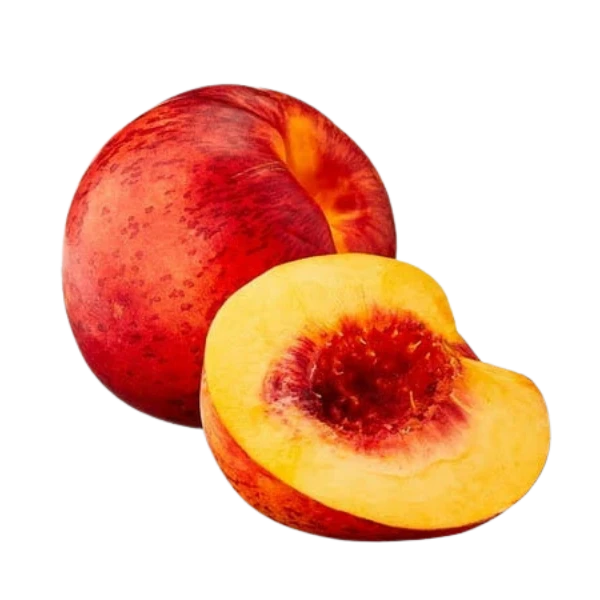
Is Nectarine a trigger for histamine intolerance?
Nectarine scores a 0 out of 3 on the SIGHI Food Compatibility List, placing it in the Safe category.
Nectarine & Histamine, what the evidence says
Nectarine and peach are two forms of the same species, Prunus persica, and the difference between their smooth and fuzzy skins is largely controlled by a single gene. Because of this close relationship, nectarines share the same major peach allergen, a protein called Pru p 3, which belongs to the nonspecific lipid transfer protein (nsLTP) family.
Pru p 3 is one of the most clinically important plant-food allergens in Mediterranean populations, where LTP allergy can cause reactions ranging from oral symptoms to severe systemic reactions and anaphylaxis. This is a genuine IgE-mediated food allergy and is completely different from histamine intolerance. Pru p 3 is present in both the skin and flesh, but it is concentrated much more heavily in the skin. Studies have found substantially higher levels in the peel than in the pulp, although the exact amount varies between cultivars.
That variation between cultivars can be surprisingly large. One study comparing peach and nectarine varieties found Pru p 3 levels ranging from only 4.02 micrograms per gram in one nectarine cultivar to 37.42 micrograms per gram in a peach cultivar, with another peach variety reaching 57.89 micrograms per gram. The researchers also found year-to-year variation within the same cultivar. This means that tolerating one peach or nectarine variety does not necessarily guarantee the same response to another variety.
Peeling the fruit can substantially reduce exposure to Pru p 3 because of its much higher concentration in the skin. However, peeling does not necessarily eliminate the risk for someone with a confirmed LTP allergy, because the allergen is also present in the flesh and some cultivars contain considerably more Pru p 3 throughout the fruit than others.
Pru p 3 is also part of a broader network of cross-reactive LTP allergens found in other plants. Mugwort pollen contains another LTP called Art v 3, and studies have demonstrated IgE cross-reactivity between Art v 3 and Pru p 3 in some sensitized individuals. LTPs from foods such as peanut also share structural similarities with Pru p 3, and laboratory studies have demonstrated IgE cross-reactivity between Pru p 3 and the peanut LTP Ara h 9. However, this does not mean that everyone allergic to nectarine or peach will react to peanuts, or vice versa.
If you experience itching, hives, swelling, breathing difficulty, gastrointestinal symptoms, or more severe reactions after eating peach or nectarine, particularly if you also react to other plant foods, that pattern can be consistent with LTP-mediated food allergy and warrants evaluation by an allergist rather than histamine-focused troubleshooting. LTP allergy can produce severe reactions even when the amount of food eaten is relatively small.
Separate from this allergy consideration, nectarine's histamine content itself is generally considered low, similar to fresh peach and other fresh stone fruits.
Does preparation change the risk?
For nectarine, LTP allergy history and peel exposure are the main considerations, separate from histamine, which is generally low for this fruit.
| Form | Risk Level | Notes |
|---|---|---|
| Peeled nectarine flesh, no known allergy | Low | Generally low in histamine; peeling reduces exposure to the allergen concentrated in the skin |
| Unpeeled nectarine, no known allergy | Low | Fine for most people, though allergen content varies by variety |
| Any amount, known or suspected LTP/peach allergy | High | This is an allergy consideration, not a histamine one. Seek allergist evaluation rather than relying on portion testing. |
| Different variety than one previously tolerated, known LTP sensitivity | Moderate | Allergen content varies substantially between cultivars, so past tolerance doesn't guarantee future tolerance |
Note: The higher-risk rows here reflect documented allergy patterns, not standardized histamine measurements. This is separate from histamine intolerance.
A food score is a reference, not a verdict.
Histamine intolerance is highly individual. A food that triggers symptoms in one person may be tolerated by another, even within the same category.
Strict elimination may help reduce symptoms initially, but long-term progress often depends on gradual reintroduction and pattern recognition. The goal is not to remove more foods over time, but to understand your personal tolerance and expand your diet when possible.
Tracking symptoms, portions, and context such as stress or timing can provide insights that generalized food lists cannot. This is where informed decisions replace fear-based restriction.
How to test your tolerance
 Peel nectarine if you have a known LTP sensitivity.
The allergen is concentrated far more heavily in the skin than the flesh, though peeling doesn't eliminate all risk for a confirmed allergy.
 Seek allergist evaluation for allergy symptoms.
Itching, hives, swelling, or breathing difficulty after eating peach or nectarine calls for allergy testing, especially with reactions to other plant foods.
 Consider mugwort pollen allergy if relevant.
Cross-reactivity between mugwort pollen and peach/nectarine LTP is documented. Mention this to your allergist if both apply to you.
- Don't assume peanut allergy status based on nectarine, or vice versa.
Cross-reactivity between Pru p 3 and a peanut LTP has been shown in the lab, but this doesn't mean one allergy predicts the other for everyone.
- Different varieties may not behave the same way.
Allergen content varies substantially between peach and nectarine cultivars, so tolerating one doesn't guarantee tolerating another if you have a known sensitivity.
 This isn't a histamine tracking issue.
For MyHistaMap purposes, nectarine is generally low in histamine. Its more clinically significant consideration is a separate, real food allergy.
Common questions about Nectarine and histamine
Is nectarine high in histamine?
No. Nectarine's histamine content is generally considered low, similar to peach and other fresh stone fruit. Its more clinically significant consideration is a separate food allergy.
Are nectarine and peach the same for allergy purposes?
Yes, essentially. They're the same species, differing mainly by a single gene controlling skin fuzz, and they share the same major allergen, Pru p 3.
Does peeling nectarine make it safer for allergies?
It reduces exposure, since the allergen is concentrated much more heavily in the skin than the flesh, but it doesn't eliminate risk for someone with a confirmed LTP allergy, since the allergen is also present in the pulp.
Is LTP allergy the same as histamine intolerance?
No. LTP allergy is a genuine, IgE-mediated immune reaction to a specific protein, completely different from histamine intolerance, which involves the body's ability to process dietary histamine.
Some people find these options helpful





Supplements are optional tools, not a solution. Personal tracking and identifying your individual triggers remains the priority.
Where this information comes from
At MyHistaMap we curate information from peer reviewed research and recognized medical sources. This guide is a reference tool, not a medical prescription. Always track your own reactions and consult your healthcare provider.
References
- Ahrazem et al., Assessing Allergen Levels in Peach and Nectarine Cultivars, Annals of Allergy, Asthma & Immunology, 2007: measured mean Pru p 3 levels of 132.86 µg/g in peel versus 0.61 µg/g in pulp, and found substantial variation between cultivars and growing regions. The source for the peel-versus-pulp concentration figures referenced on this page.
- Selection of Pru p 3 Hypoallergenic Peach and Nectarine Varieties: measured Pru p 3 at 4.02 µg/g in a nectarine cultivar compared to 37.42 and 57.89 µg/g in two peach cultivars, with year-to-year variation observed within the same cultivar. The source for the cultivar variation figures referenced on this page.
- LTP Cross-Reactivity: Primary Sensitization to Mugwort Pollen LTP Art v 3 Facilitates Subsequent Sensitisation to Peach LTP Pru p 3 and Differences in Linear Epitopes of Ara h 9 Recognition in Peanut Allergic and Tolerant, Peach Allergic Patients: describe documented IgE cross-reactivity between Pru p 3 and both mugwort pollen LTP (Art v 3) and peanut LTP (Ara h 9). The source for the cross-reactivity information referenced on this page.
- SIGHI (Swiss Interest Group Histamine Intolerance) Food Compatibility List: rates peach as well tolerated. The source for the general low-histamine classification referenced on this page.