This content is for informational purposes only and does not constitute medical advice. Always consult a qualified healthcare provider before making dietary changes. Histamine tolerance is highly individual.
This information applies to histamine intolerance, DAO deficiency, and MCAS only. If you have a confirmed food allergy, this content does not apply to you. Food allergies involve the immune system and can be life-threatening. Please consult your allergist.
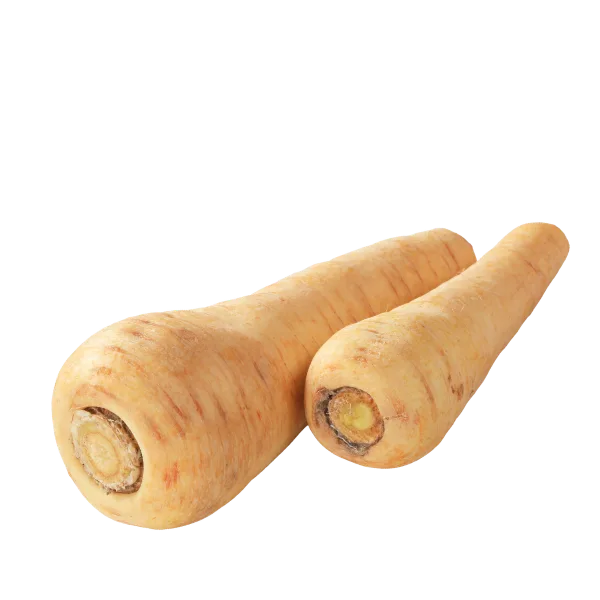
Is Parsnip a trigger for histamine intolerance?
Parsnip scores a 0 out of 3 on the SIGHI Food Compatibility List, placing it in the Safe category.
Parsnip & Histamine, what the evidence says
Parsnip is not associated with meaningful histamine content, which places it favorably on a low-histamine approach. This applies to the root as typically eaten, whether cooked or raw.
Separately, parsnip is one of the plants associated with phytophotodermatitis, a skin reaction sometimes called parsnip burn. The plant's sap, particularly from the leaves, stems, and other green parts, contains furanocoumarins, compounds that make the skin more sensitive to UV light after contact. If sap-covered skin is then exposed to sunlight, it can develop redness, blistering, or dark discoloration that may appear 24 to 48 hours later and persist for weeks. This is a chemical photoreaction, not an allergy. Wild forms of parsnip can contain considerably higher concentrations of furanocoumarins than cultivated garden varieties, and levels can also vary widely between wild populations. The concern is primarily relevant to people who handle fresh parsnip foliage or grow their own, rather than to eating the root.
Does preparation change the risk?
Parsnip's histamine profile is consistent across preparations; the phytophotodermatitis consideration is about handling the plant, not eating it.
| Form | Risk Level | Notes |
|---|---|---|
| Cooked root | Low | Not associated with meaningful histamine content; standard preparation. |
| Raw root | Low | Same histamine profile; the photoreactive sap is concentrated in the foliage, not the root. |
| Handling raw foliage/greens | Low | Same histamine profile; wear gloves and avoid sun exposure shortly after handling if you grow your own. |
Note: Risk levels are based on clinical observations and patient reports, not standardized histamine measurements. Individual tolerance varies.
A food score is a reference, not a verdict.
Histamine intolerance is highly individual. A food that triggers symptoms in one person may be tolerated by another, even within the same category.
Strict elimination may help reduce symptoms initially, but long-term progress often depends on gradual reintroduction and pattern recognition. The goal is not to remove more foods over time, but to understand your personal tolerance and expand your diet when possible.
Tracking symptoms, portions, and context such as stress or timing can provide insights that generalized food lists cannot. This is where informed decisions replace fear-based restriction.
How to test your tolerance
 Wear gloves if harvesting your own.
The photoreactive compounds concentrate in parsnip's leaves and stems. Gloves and long sleeves are a reasonable precaution if you're pulling up your own plants.
- Avoid sun exposure after handling raw foliage.
If sap gets on your skin, washing thoroughly and staying out of direct sunlight for a day or two can help prevent the reaction from developing.
- Eating the cooked root isn't the concern.
This reaction is about skin contact with raw sap followed by sun exposure, not about consuming parsnip.
 Track your response if trying it new.
Even well-tolerated vegetables are worth a brief note in MyHistaMap when first introduced.
Common questions about Parsnip and histamine
Is parsnip high in histamine?
No. Parsnip is not associated with meaningful histamine content.
What is parsnip burn?
It's a documented skin reaction (phytophotodermatitis) caused by furanocoumarins in parsnip sap, concentrated mainly in the leaves and stems. Skin contact followed by sun exposure can cause redness, blistering, and dark marks appearing a day or two later.
Is this only a concern with wild parsnip?
No. The same reaction can occur from handling cultivated garden parsnip foliage, not just wild plants, though wild forms tend to contain considerably higher concentrations of the furanocoumarins responsible, and levels can vary widely between wild populations.
Does eating parsnip put me at risk for this reaction?
No. The concern is about skin contact with raw sap followed by sunlight, not about eating the cooked or raw root.
Some people find these options helpful

Supplements are optional tools, not a solution. Personal tracking and identifying your individual triggers remains the priority.
Where this information comes from
At MyHistaMap we curate information from peer reviewed research and recognized medical sources. This guide is a reference tool, not a medical prescription. Always track your own reactions and consult your healthcare provider.
References
- SIGHI (Swiss Interest Group Histamine Intolerance) Food Compatibility List: lists parsnip with a histamine value of 0, with no liberator or rich-in-histamine marking. This is the source for parsnip's low-histamine classification referenced on this page.
- Utah State University Extension, Wild Parsnip (Pastinaca sativa) Identification and Control in Residential Landscapes: confirms that parsnip produces furanocoumarins in its sap, stems, and leaves that cause phytophotodermatitis when the sap contacts skin exposed to sunlight, notes that cultivated parsnips are closely related and have far fewer furanocoumarins than wild forms, whose concentrations also vary widely by population, and recommends staying out of sunlight and washing exposed skin after handling. This is the source for the mechanism, wild-versus-cultivated distinction, and handling precautions referenced on this page.
- North Carolina State University Extension, Gardener Plant Toolbox: Pastinaca sativa: confirms that wild parsnip is the species Pastinaca sativa, that modern cultivated parsnip varieties have been derived from this same plant, and that all parts of it contain furanocoumarins that cause skin sensitivity to light. This is the source for the wild-and-cultivated relationship referenced on this page.