This content is for informational purposes only and does not constitute medical advice. Always consult a qualified healthcare provider before making dietary changes. Histamine tolerance is highly individual.
This information applies to histamine intolerance, DAO deficiency, and MCAS only. If you have a confirmed food allergy, this content does not apply to you. Food allergies involve the immune system and can be life-threatening. Please consult your allergist.
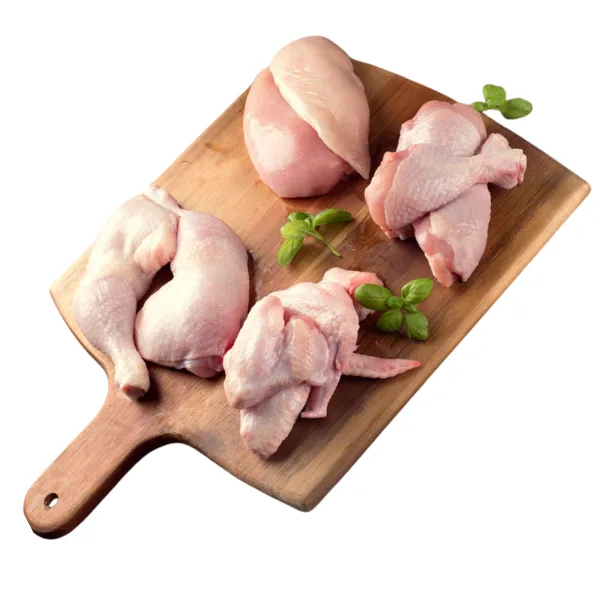
Is Poultry meat a trigger for histamine intolerance?
Poultry meat scores a 0 out of 3 on the SIGHI Food Compatibility List, placing it in the Safe category.
Poultry meat & Histamine, what the evidence says
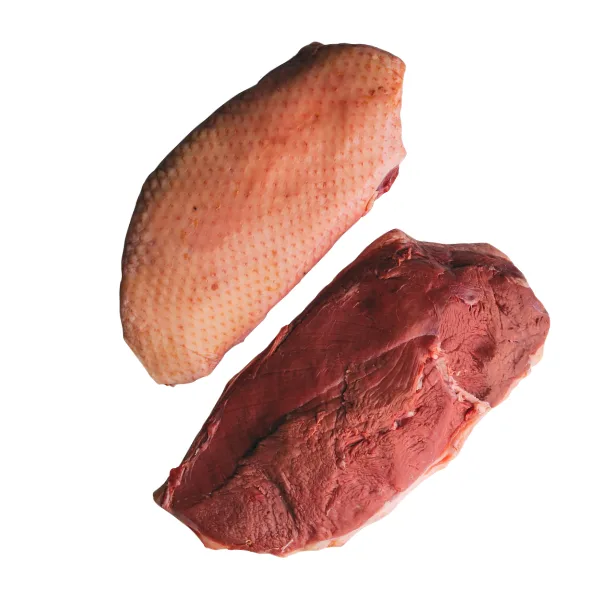
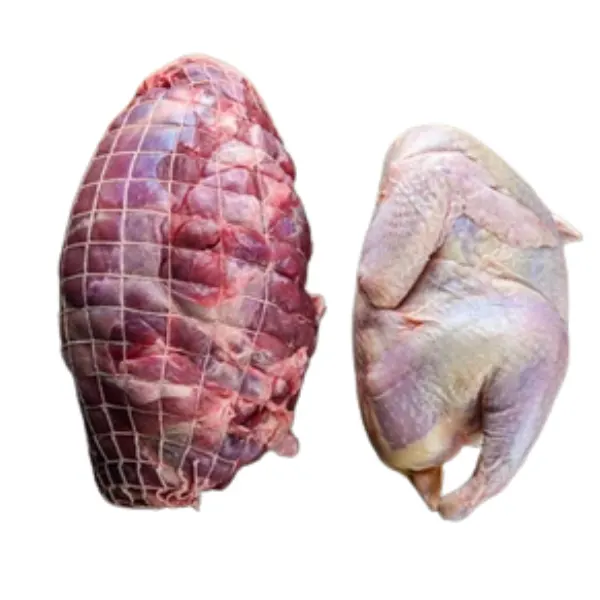
Across poultry species, chicken, turkey, duck, quail, guinea fowl, or any other bird, the fundamental biology behind histamine is the same: fresh poultry meat naturally contains very little histamine, and bacteria can convert an amino acid called histidine into histamine as the meat sits, regardless of which bird it comes from. This means that whether a product is a single familiar bird or a mix of poultry types, the same basic principle governs how much histamine is likely to be present.
The single biggest factor across all poultry is the freshness chain: how long the meat spends during processing, transport, storage, and handling before it's cooked or frozen. The less time bacteria have to act, the lower histamine is likely to stay, and this principle applies across species rather than being specific to any one bird.
One detail that may apply more broadly across poultry: dark meat and white meat from the same bird don't always accumulate histamine and related amines at the same rate. Research measuring amines during storage has found thigh muscle reaching meaningfully higher levels than breast muscle from the same birds after the same storage period. This suggests that dark meat may be worth treating a bit more cautiously than white meat, particularly as storage time increases.
Does preparation change the risk?
Freshness and cut (dark versus white meat) are the two factors that matter most across poultry species generally.
| Form | Risk Level | Notes |
|---|---|---|
| Fresh / Flash-frozen white meat (breast) | Low | Generally the lowest amine option across poultry species |
| Fresh / Flash-frozen dark meat (thigh, leg) | Moderate | May accumulate amines somewhat faster than white meat from the same bird, based on research in at least one species |
| Mixed poultry products (blends of multiple birds) | Moderate | The same freshness principle applies regardless of which birds are included |
| Poultry stored for an extended period, any species | High | More time for bacteria to convert histidine into histamine, regardless of the bird |
Note: Risk levels are based on clinical observations and patient reports, not standardized histamine measurements. Individual tolerance varies.
A food score is a reference, not a verdict.
Histamine intolerance is highly individual. A food that triggers symptoms in one person may be tolerated by another, even within the same category.
Strict elimination may help reduce symptoms initially, but long-term progress often depends on gradual reintroduction and pattern recognition. The goal is not to remove more foods over time, but to understand your personal tolerance and expand your diet when possible.
Tracking symptoms, portions, and context such as stress or timing can provide insights that generalized food lists cannot. This is where informed decisions replace fear-based restriction.
How to test your tolerance
 Buy flash-frozen when possible, regardless of the bird.
This limits the time available for amine buildup across any poultry species.
 Prioritize the freshness chain over the specific species.
How long the meat has been handled matters more than which bird it came from.
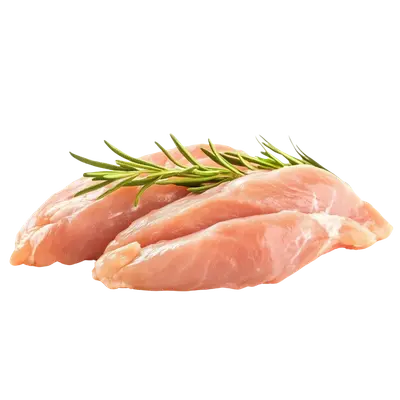
 Consider white meat first if you're testing tolerance.
Dark meat may accumulate amines somewhat faster, based on available research.
 Check ingredient lists on mixed poultry products.
Products combining multiple bird species still follow the same basic freshness principle.
- Freeze promptly if not cooking right away.
This applies across poultry species, not just to any one bird.
 Track the species, cut, and freshness in MyHistaMap.
Since less common poultry varies more in available research, logging specifics helps identify your personal pattern.
Common questions about Poultry meat and histamine
Is histamine risk different between poultry species?
The basic mechanism is the same across all poultry: bacteria convert histidine into histamine as the meat sits. The freshness chain matters more than which specific bird it is.
Is dark meat higher in histamine than white meat?
Research measuring amines during storage found thigh muscle reaching meaningfully higher levels than breast muscle from the same birds. This suggests dark meat may be worth treating a bit more cautiously, though this hasn't been established for every poultry species.
What about less common poultry, like pheasant or guinea fowl?
The same freshness principle applies: fresh meat is naturally low in histamine, and how it's handled before cooking or freezing matters more than the specific species.
Are mixed poultry products treated differently?
Not fundamentally. Whether a product contains one bird species or a blend of several, the same freshness-driven principle governs histamine levels.
Some people find these options helpful





Supplements are optional tools, not a solution. Personal tracking and identifying your individual triggers remains the priority.
Where this information comes from
At MyHistaMap we curate information from peer reviewed research and recognized medical sources. This guide is a reference tool, not a medical prescription. Always track your own reactions and consult your healthcare provider.
References
- Hutařová et al., Effects of Storage Temperature on Biogenic Amine Concentrations in Meat of Uneviscerated Pheasants, Acta Veterinaria Brno, 2013: measured biogenic amines in pheasant breast and thigh muscle during 21 days of storage at different temperatures, finding tyramine, cadaverine, and histamine reaching meaningfully higher concentrations in thigh muscle than in breast muscle from the same birds. The source for this page's dark meat versus white meat note.
- SIGHI (Swiss Interest Group Histamine Intolerance) Food Compatibility List: classifies poultry meat as compatible but highly perishable, consistent across the various bird species it lists individually. The source for this page's general freshness-driven classification.