This content is for informational purposes only and does not constitute medical advice. Always consult a qualified healthcare provider before making dietary changes. Histamine tolerance is highly individual.
This information applies to histamine intolerance, DAO deficiency, and MCAS only. If you have a confirmed food allergy, this content does not apply to you. Food allergies involve the immune system and can be life-threatening. Please consult your allergist.
Is Prune a trigger for histamine intolerance?
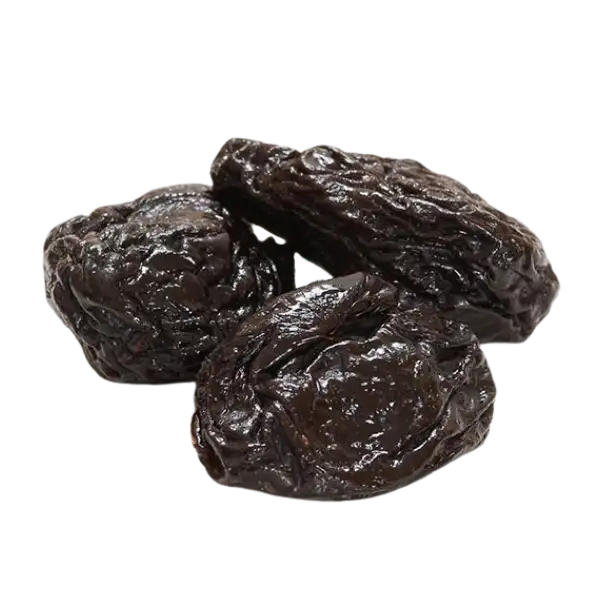
Prune scores a 1 out of 3 on the SIGHI Food Compatibility List, placing it in the Low category. It is also classified on some reference lists as a potential histamine liberator. This reflects the reference list's classification rather than a confirmed mast-cell mechanism, since research specifically testing this hasn't provided strong support for it.
Prune & Histamine, what the evidence says
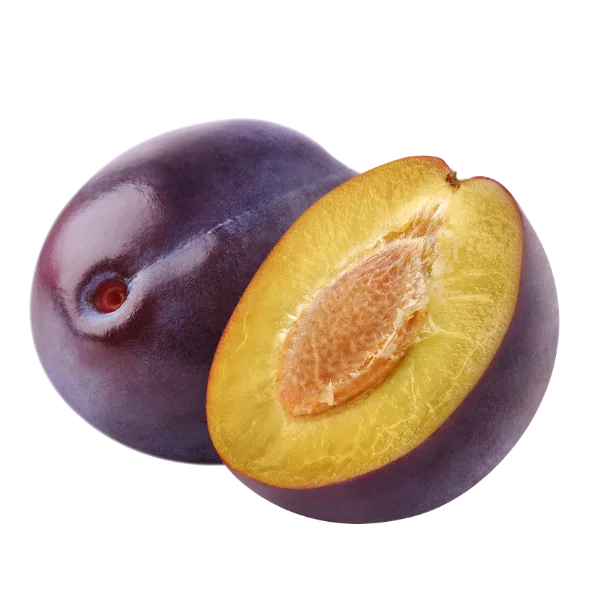
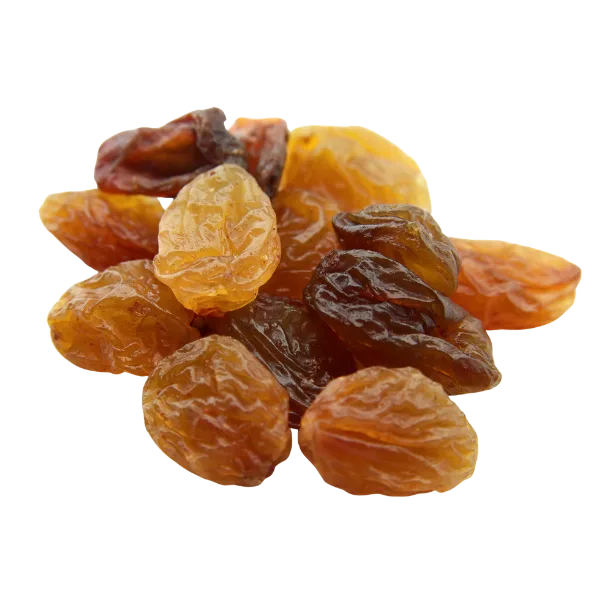
Prune is dried plum, and it shares the laxative effect discussed in more detail on the plum page. The drying process concentrates sorbitol and fiber, which is one reason prunes have a much more pronounced and reliable effect on bowel movements than fresh plums. For someone who develops loose stools, urgency, or abdominal discomfort after eating prunes, especially in larger amounts, this provides a straightforward digestive explanation that is separate from histamine.
Unlike some other dried fruits discussed on this site, such as apricots and raisins, prunes are not typically treated with sulfur dioxide during standard commercial drying. In the United States, the usual industrial process involves heat dehydration rather than sulfur fumigation. However, this does not mean that all dried plums are sulfite-free. Sulfites can be present in some products, and undeclared sulfites have occasionally resulted in recalls. Checking the ingredient list is therefore still worthwhile if you know that you react to sulfites.
Prune is placed in a higher-caution category on some histamine reference lists and may carry a note identifying it as a potential histamine liberator. As discussed on the orange and papaya pages, this label reflects a reference-list designation rather than a confirmed mast-cell mechanism, and it should not be interpreted as proof that prune directly causes histamine release.
None of this changes the basic digestive distinction between fresh plum and prune. Prune is simply the dried, more concentrated form, so its sorbitol and fiber content make digestive effects more likely, particularly with larger servings.
Does preparation change the risk?
For prune, portion size and sulfite content matter more than histamine, which follows the reference classification below.
| Form | Risk Level | Notes |
|---|---|---|
| Prune, small serving (1-3) | Moderate | Placed in a higher-caution category on reference lists, with a liberator note whose mechanism isn't firmly established |
| Prune, larger serving | High | Concentrated sorbitol and fiber make digestive effects more likely; this is separate from histamine |
| Prune with sulfites, sensitive to sulfites | High | Not standard for most prunes, but check labels since some products do contain sulfites |
| Prune juice | Moderate | Similar digestive considerations as whole prunes, often in a more concentrated liquid form |
Note: The moderate/high rows reflect digestive effects and reference-list classification, not confirmed histamine liberation. Sulfite risk depends on the specific product.
A food score is a reference, not a verdict.
Histamine intolerance is highly individual. A food that triggers symptoms in one person may be tolerated by another, even within the same category.
Strict elimination may help reduce symptoms initially, but long-term progress often depends on gradual reintroduction and pattern recognition. The goal is not to remove more foods over time, but to understand your personal tolerance and expand your diet when possible.
Tracking symptoms, portions, and context such as stress or timing can provide insights that generalized food lists cannot. This is where informed decisions replace fear-based restriction.
How to test your tolerance
 Watch your portion size.
Prune's concentrated sorbitol and fiber make digestive symptoms more likely with larger servings, separate from any histamine consideration.
 Check the label if you react to sulfites.
Most prunes aren't sulfured, but some products do contain sulfites, and undeclared sulfites have led to recalls in the past.
 Consider digestion before histamine.
Loose stools or discomfort after prunes are more likely explained by sorbitol and fiber than by histamine.
 Don't treat the liberator label as proven.
As with orange and papaya, this reflects a reference-list classification, not a confirmed mast-cell mechanism.
 Fresh plum is a milder alternative.
If prune's digestive effect is too strong, fresh plum in moderation delivers a similar but less concentrated experience.
 Track prune and fresh plum separately.
In MyHistaMap, note whether you ate prune or fresh plum and the portion size, since these affect digestive symptoms differently.
Common questions about Prune and histamine
Is prune a proven histamine liberator?
It's flagged as a potential liberator on some reference lists, similar to orange and papaya, but the underlying mast-cell mechanism hasn't been firmly established by research.
Are prunes treated with sulfites like apricots?
Not typically. Standard commercial prune drying uses heat dehydration rather than sulfur fumigation, though some products can still contain sulfites, so checking the label is worthwhile if this matters to you.
Why do prunes cause loose stools?
Drying concentrates sorbitol and fiber, both of which draw water into the colon and promote bowel movements. This is a well-documented digestive effect, unrelated to histamine.
Is prune juice the same as eating whole prunes?
It carries similar digestive considerations, often in a more concentrated liquid form, so the same portion awareness applies.
Some people find these options helpful





Supplements are optional tools, not a solution. Personal tracking and identifying your individual triggers remains the priority.
Where this information comes from
At MyHistaMap we curate information from peer reviewed research and recognized medical sources. This guide is a reference tool, not a medical prescription. Always track your own reactions and consult your healthcare provider.
References
- USDA and FDA descriptions of commercial prune drying: describe standard U.S. industrial processing as heat dehydration rather than sulfur dioxide fumigation, though regulations permit sulfite content in some dried plum products, and undeclared sulfites have led to product recalls. The source for the sulfite information referenced on this page.
- Chemical Composition and Potential Health Effects of Prunes: A Functional Food?, review: reports sorbitol content of approximately 14.7 g/100g in dried prunes, identifying it as the primary explanation for the laxative effect, consistent with the mechanism discussed on this site's plum page. The source for the digestive mechanism referenced on this page.
- SIGHI (Swiss Interest Group Histamine Intolerance) Food Compatibility List: places prune in a higher-caution category with a potential liberator note. The source for the histamine classification referenced on this page.