This content is for informational purposes only and does not constitute medical advice. Always consult a qualified healthcare provider before making dietary changes. Histamine tolerance is highly individual.
This information applies to histamine intolerance, DAO deficiency, and MCAS only. If you have a confirmed food allergy, this content does not apply to you. Food allergies involve the immune system and can be life-threatening. Please consult your allergist.
Is Pumpkin seed oil a trigger for histamine intolerance?
Pumpkin seed oil scores a 0 out of 3 on the SIGHI Food Compatibility List, placing it in the Safe category.
Pumpkin seed oil & Histamine, what the evidence says
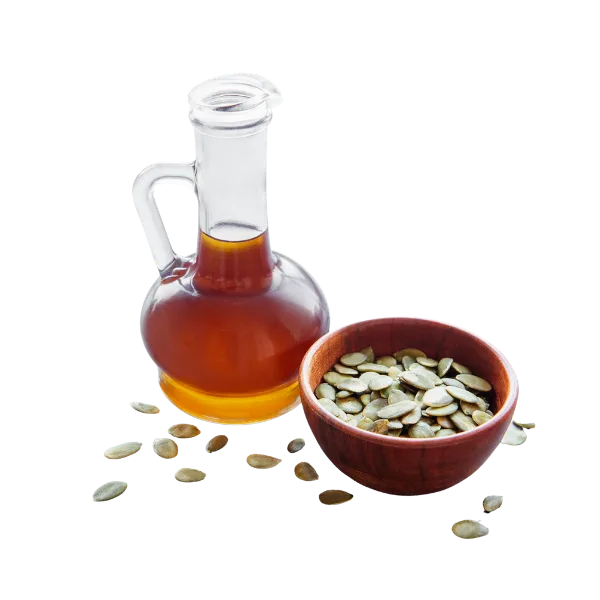
Pumpkin seed oil is not associated with meaningful histamine content. Nutritionally, it stands out for its content of delta-7 phytosterols, plant compounds structurally similar to cholesterol that have been studied for their potential effects on hormone-related pathways in the prostate, along with zinc and carotenoids including lutein. This research is specific to prostate tissue and is unrelated to histamine metabolism.
Pumpkin seed oil is typically cold-pressed and used more as a finishing oil than a primary cooking fat, given its distinctive flavor and lower heat stability. Because it is less refined than many neutral oils, quality and freshness are worth paying attention to.
Does preparation change the risk?
Freshness and use as a finishing oil are the main practical considerations.
| Form | Risk Level | Notes |
|---|---|---|
| Cold-pressed, fresh | Low | Typical form; used as a finishing oil rather than for cooking |
| Older or improperly stored | Moderate | Like other less-refined oils, quality can decline with age |
Note: Risk levels are based on clinical observations and patient reports, not standardized histamine measurements. Individual tolerance varies.
A food score is a reference, not a verdict.
Histamine intolerance is highly individual. A food that triggers symptoms in one person may be tolerated by another, even within the same category.
Strict elimination may help reduce symptoms initially, but long-term progress often depends on gradual reintroduction and pattern recognition. The goal is not to remove more foods over time, but to understand your personal tolerance and expand your diet when possible.
Tracking symptoms, portions, and context such as stress or timing can provide insights that generalized food lists cannot. This is where informed decisions replace fear-based restriction.
How to test your tolerance
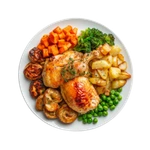 Use as a finishing oil.
Pumpkin seed oil has a distinctive flavor and lower smoke point, making it best suited for drizzling rather than high-heat cooking.
 Store cold.
Refrigeration helps preserve freshness and its phytosterol content in this less-refined oil.
 Buy in smaller quantities.
Given its cold-pressed nature, smaller bottles used within a reasonable timeframe help maintain quality.
 Track your response if trying it new.
Even well-tolerated oils are worth a brief note in MyHistaMap when first introduced.
Common questions about Pumpkin seed oil and histamine
Is pumpkin seed oil high in histamine?
No. Pumpkin seed oil is not associated with meaningful histamine content.
What are delta-7 phytosterols?
They are plant compounds concentrated in pumpkin seed oil, studied for their potential effects on prostate tissue. This is a separate nutritional property, unrelated to histamine.
Can I cook with pumpkin seed oil?
It is generally better suited as a finishing oil due to its flavor and lower smoke point, rather than for high-heat cooking.
Some people find these options helpful

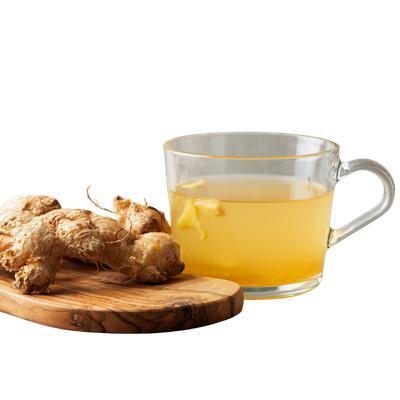
Supplements are optional tools, not a solution. Personal tracking and identifying your individual triggers remains the priority.
Where this information comes from
At MyHistaMap we curate information from peer reviewed research and recognized medical sources. This guide is a reference tool, not a medical prescription. Always track your own reactions and consult your healthcare provider.
References
- SIGHI (Swiss Interest Group Histamine Intolerance) Food Compatibility List: lists pumpkin seed oil with a histamine value of 0. This is the source for pumpkin seed oil's low-histamine classification referenced on this page.
- Cheng et al., Phytosterols in Hull-less Pumpkin Seed Oil, Rich in Delta-7-Phytosterols, Ameliorate Benign Prostatic Hyperplasia by Lowering 5-alpha-Reductase and Regulating Cell Proliferation and Apoptosis, Food & Nutrition Research, 2021: identifies delta-7 phytosterols as the dominant sterol type in pumpkin seed oil and finds they reduced markers of prostate enlargement in an animal model of benign prostatic hyperplasia. This is animal research, not a human clinical outcome, and is the source for the delta-7 phytosterol and prostate research referenced on this page.