This content is for informational purposes only and does not constitute medical advice. Always consult a qualified healthcare provider before making dietary changes. Histamine tolerance is highly individual.
This information applies to histamine intolerance, DAO deficiency, and MCAS only. If you have a confirmed food allergy, this content does not apply to you. Food allergies involve the immune system and can be life-threatening. Please consult your allergist.
Is Walnut oil a trigger for histamine intolerance?
Walnut oil scores a 2 out of 3 on the SIGHI Food Compatibility List, placing it in the Moderate category.
Walnut oil & Histamine, what the evidence says
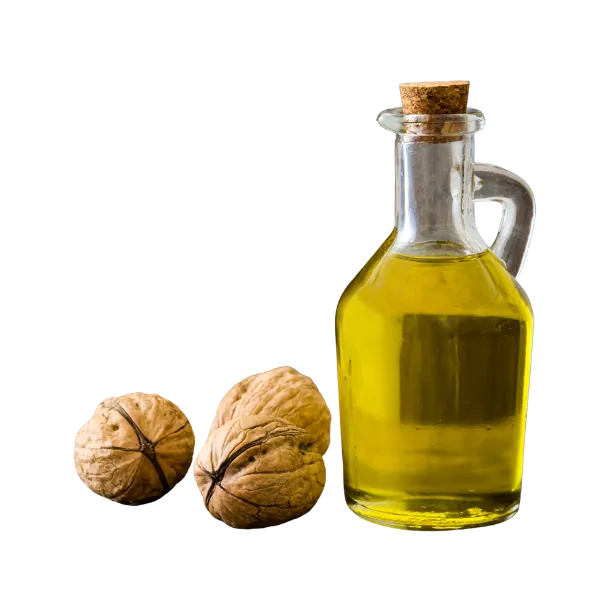
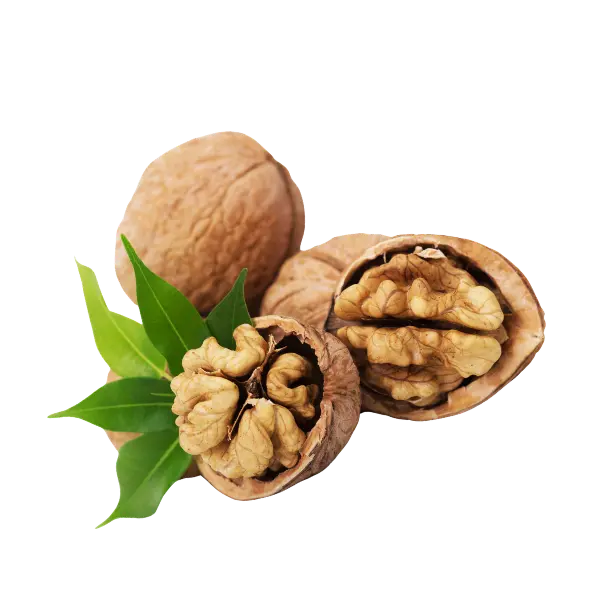
Walnut oil is made by pressing walnuts, but the resulting oil has a very different composition from the whole nut. The pressing process separates the fat-rich fraction from much of the protein, fiber, and polar compounds found in the walnut. Studies comparing walnut oil with the remaining press cake have found that many of the walnut's phenolic compounds and hydrolysable tannins are concentrated in the press cake rather than the oil. This means that findings about the histamine-related compounds in whole walnuts cannot automatically be applied to walnut oil.
Putrescine is one of the biogenic amines found in walnuts and is relevant to the overall amine burden, but direct measurements of putrescine and other biogenic amines in commercial walnut oil are limited. Because of this, there isn't enough direct evidence to determine whether the histamine-related properties reported for whole walnuts carry over to the finished oil.
Walnut oil is naturally high in polyunsaturated fat, particularly linoleic and alpha-linolenic acids, which makes it susceptible to oxidation during storage and exposure to heat, air, and light. Studies of walnut oil have documented increasing oxidation and rancidity during storage, making freshness and proper storage important for preserving its quality. This is a separate consideration from its biogenic amine profile.
Does preparation change the risk?
Freshness is the main variable with clear evidence behind it for walnut oil. Its amine profile relative to whole walnuts isn't well established.
| Form | Risk Level | Notes |
|---|---|---|
| Fresh, cold-pressed | Moderate | Composition differs meaningfully from whole walnuts; direct evidence on its amine content is limited |
| Older or improperly stored | High | Prone to oxidation and rancidity, which is well documented and may compound symptoms |
| Used in small drizzle amounts | Low | Smaller amounts limit exposure to any compound in the oil, including oxidation byproducts |
Note: Risk levels are based on clinical observations and patient reports, not standardized histamine measurements. Individual tolerance varies.
A food score is a reference, not a verdict.
Histamine intolerance is highly individual. A food that triggers symptoms in one person may be tolerated by another, even within the same category.
Strict elimination may help reduce symptoms initially, but long-term progress often depends on gradual reintroduction and pattern recognition. The goal is not to remove more foods over time, but to understand your personal tolerance and expand your diet when possible.
Tracking symptoms, portions, and context such as stress or timing can provide insights that generalized food lists cannot. This is where informed decisions replace fear-based restriction.
How to test your tolerance
 Don't assume it's identical to whole walnuts.
Pressing separates the oil from much of the walnut's protein and polar compounds, so whole-walnut findings, including histamine-related ones, don't automatically apply to the oil.
 Prioritize freshness.
Walnut oil turns rancid relatively quickly due to its polyunsaturated fat content. Buy in small bottles and store in the refrigerator once opened.
 Use sparingly if unsure.
If you're introducing walnut oil, a small finishing drizzle is a more conservative starting point than cooking with larger quantities.
 Consider a neutral alternative.
If you'd rather avoid the uncertainty, oils like canola or safflower offer a more thoroughly characterized profile for everyday use.
 Track your response closely.
Log the amount used and any symptoms with MyHistaMap, since walnut oil's amine profile isn't well established either way.
Common questions about Walnut oil and histamine
Is walnut oil high in histamine, like whole walnuts?
It isn't clear. Direct measurements of biogenic amines in walnut oil are limited, and the pressing process separates the oil from much of the walnut's protein and polar compounds, so this can't simply be assumed from whole walnut data.
Does walnut oil have the same antioxidant benefits as whole walnuts?
Not to the same extent. Studies comparing walnut oil to the leftover press cake found that phenolic compounds and hydrolysable tannins concentrate mainly in the press cake, not the oil.
Is walnut oil prone to going rancid?
Yes, well documented. Its high polyunsaturated fat content, particularly linoleic and alpha-linolenic acid, makes it susceptible to oxidation during storage and heat exposure.
Should I avoid walnut oil entirely?
Not necessarily, but given the limited direct evidence on its amine content, starting with a small amount and tracking your response is a reasonable approach.
Some people find these options helpful

Supplements are optional tools, not a solution. Personal tracking and identifying your individual triggers remains the priority.
Where this information comes from
At MyHistaMap we curate information from peer reviewed research and recognized medical sources. This guide is a reference tool, not a medical prescription. Always track your own reactions and consult your healthcare provider.
References
- Chemical Characterization of Walnut (Juglans regia L.) Oil Obtained by Pressing and Its By-Product (Press Cake): found that walnut oil is dominated by lipid components such as fatty acids and gamma-tocopherol, while polar phenolic compounds concentrate in the residual press cake after pressing. This is the source for the composition-difference claim referenced on this page.
- Impact of Hydro-Alcoholic Solvents on the Oil and Phenolics Extraction from Walnut (Juglans regia L.) Press-Cake and the Self-Emulsification of Extracts: confirms that walnut press-cake remains rich in protein (30-45%) and polar phenolic compounds after oil extraction. This is the source for the press-cake composition referenced on this page.
- Oxidative Stability of Walnut Oil During Storage: documents progressive oxidation and rancidity development in walnut oil over storage time, linked to its high polyunsaturated fatty acid content. This is the source for the oxidation and freshness claims referenced on this page.