This content is for informational purposes only and does not constitute medical advice. Always consult a qualified healthcare provider before making dietary changes. Histamine tolerance is highly individual.
This information applies to histamine intolerance, DAO deficiency, and MCAS only. If you have a confirmed food allergy, this content does not apply to you. Food allergies involve the immune system and can be life-threatening. Please consult your allergist.
Is Quail a trigger for histamine intolerance?
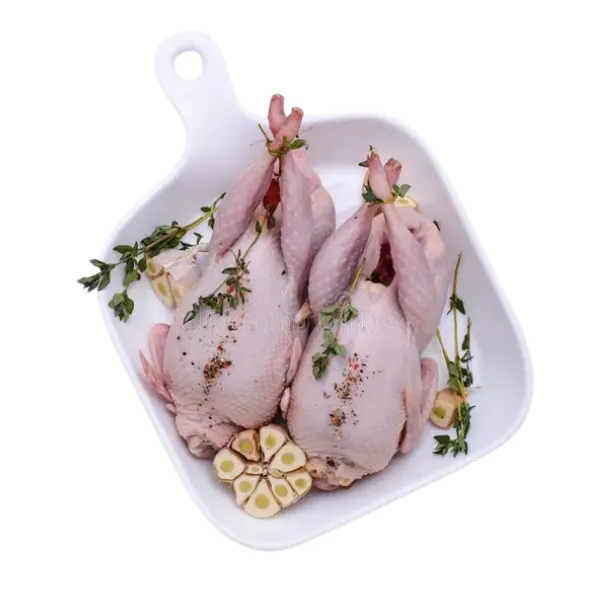
Quail scores a 0 out of 3 on the SIGHI Food Compatibility List, placing it in the Safe category.
Quail & Histamine, what the evidence says
Fresh quail follows the same freshness-driven pattern as other poultry: naturally low in histamine, but highly perishable, so handling and quick cooking or freezing matter more than the specific bird.
Separately, quail carries a rare but well-documented food safety risk that has nothing to do with histamine: coturnism, a reaction associated with eating wild, migratory quail that have fed on certain poisonous plants during their seasonal migration. Poison hemlock has been implicated in some outbreaks, along with other poisonous plants depending on the region. Coturnism causes muscle breakdown and can be serious, and these compounds should not be assumed to be eliminated by ordinary food preparation. This risk is associated with wild-caught migratory quail from certain regions and seasons, particularly around the Mediterranean in autumn. Farmed quail, which is what most people buy commercially, is not associated with this particular risk.
Does preparation change the risk?
Freshness drives quail's histamine risk, while coturnism is a separate, rare consideration tied to wild migratory birds specifically.
| Form | Risk Level | Notes |
|---|---|---|
| Fresh / Flash-frozen farmed quail | Low | Not associated with the coturnism risk tied to wild migratory birds |
| Quail left refrigerated for an extended period | High | Highly perishable; more time for bacteria to convert histidine into histamine |
| Wild-caught migratory quail, certain regions/seasons | High | Associated with coturnism, a rare but serious food safety risk unrelated to histamine |
Note: Risk levels are based on clinical observations and patient reports, not standardized histamine measurements. Individual tolerance varies.
A food score is a reference, not a verdict.
Histamine intolerance is highly individual. A food that triggers symptoms in one person may be tolerated by another, even within the same category.
Strict elimination may help reduce symptoms initially, but long-term progress often depends on gradual reintroduction and pattern recognition. The goal is not to remove more foods over time, but to understand your personal tolerance and expand your diet when possible.
Tracking symptoms, portions, and context such as stress or timing can provide insights that generalized food lists cannot. This is where informed decisions replace fear-based restriction.
How to test your tolerance
 Buy flash-frozen when possible.
This limits the time available for amine buildup, especially important since quail is highly perishable.
 Stick with farmed quail from a known source.
Farmed quail, which is what most people buy commercially, is not associated with the coturnism risk tied to wild migratory birds.
 Be aware if eating wild-caught quail, especially around the Mediterranean in autumn.
This is when and where coturnism has most often been documented.
- Freeze promptly if not cooking right away.
This limits bacterial activity, though it isn't a safeguard against coturnism specifically.
- Seek medical attention for muscle pain or dark urine after eating wild quail.
These can be signs of coturnism, a separate condition from histamine intolerance.
 Track freshness and source in MyHistaMap.
Log whether the quail was farmed or wild-caught, along with freshness and handling.
Common questions about Quail and histamine
Is quail high in histamine?
Fresh quail is naturally low in histamine, similar to other poultry. It's also highly perishable, so handling and quick cooking or freezing matter a lot.
What is coturnism?
It's a rare but serious reaction associated with eating wild, migratory quail that have fed on certain poisonous plants during their seasonal migration. It causes muscle breakdown and has nothing to do with histamine intolerance.
Is the quail I buy at the store at risk of coturnism?
Farmed quail, which is what most people buy commercially, is not associated with this particular risk. Coturnism is tied to wild-caught migratory quail from certain regions and seasons.
Does cooking quail thoroughly prevent coturnism?
The toxins involved in coturnism should not be assumed to be eliminated by ordinary food preparation. This risk applies specifically to wild migratory quail, not to farmed quail.
Some people find these options helpful





Supplements are optional tools, not a solution. Personal tracking and identifying your individual triggers remains the priority.
Where this information comes from
At MyHistaMap we curate information from peer reviewed research and recognized medical sources. This guide is a reference tool, not a medical prescription. Always track your own reactions and consult your healthcare provider.
References
- Lewis, Metallinos-Katsaras, and Grivetti, Coturnism: Human Poisoning by European Migratory Quail, Journal of Cultural Geography, 1987: describes coturnism as muscle breakdown following consumption of migratory quail that fed on poisonous plants, historically linked to hemlock, hellebore, or other plants depending on region and season, with poisonings documented along specific migration routes. The source for this page's coturnism section.
- Quail Poisoning, Rural and Remote Health: notes that quail are only associated with this risk during specific migration periods and routes, that the compound involved is fat-soluble and stable, and that farmed and non-European subspecies of quail are not known to carry this risk. The source for this page's distinction between wild migratory and farmed quail.