This content is for informational purposes only and does not constitute medical advice. Always consult a qualified healthcare provider before making dietary changes. Histamine tolerance is highly individual.
This information applies to histamine intolerance, DAO deficiency, and MCAS only. If you have a confirmed food allergy, this content does not apply to you. Food allergies involve the immune system and can be life-threatening. Please consult your allergist.
Is Quince a trigger for histamine intolerance?
Quince scores a 0 out of 3 on the SIGHI Food Compatibility List, placing it in the Safe category.
Quince & Histamine, what the evidence says
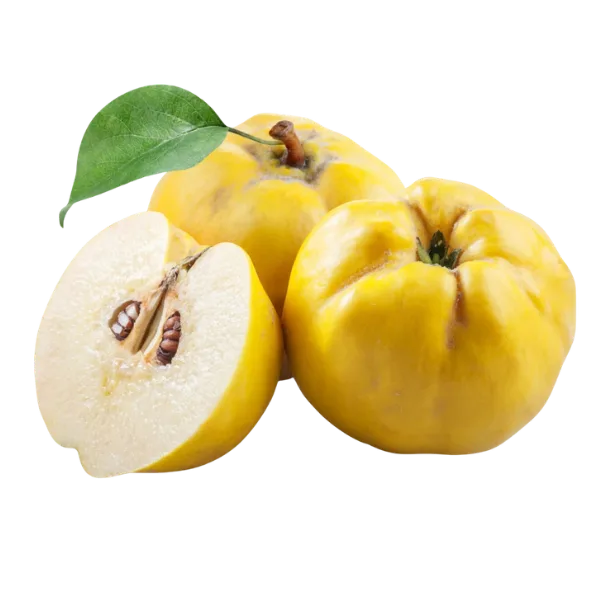
Quince is unusual among the fruits discussed on this site because it is rarely eaten raw. The flesh is extremely firm, sour, and strongly astringent, largely because of its high content of condensed tannins called proanthocyanidins. Cooking softens the fruit and changes the structure of these phenolic compounds. With prolonged heating, particularly under acidic conditions, the proanthocyanidins undergo chemical changes that contribute to the characteristic transformation from pale yellow to pink or deep red. This is the familiar color change seen when quince is slowly cooked for preserves, paste, poached fruit, or compote.
This matters practically because most quince is consumed after cooking rather than as raw fruit. Quince belongs to the Rosaceae family, alongside apples and pears, and its histamine profile is generally considered similarly low. However, the cooked forms commonly eaten as jam, paste, or other preserves can contain substantial amounts of added sugar, depending on the recipe or product.
Quince seeds carry a separate safety consideration. They contain small amounts of cyanogenic glycosides, including amygdalin, which can release hydrogen cyanide when broken down. The levels reported in Cydonia oblonga seeds are low, but the seeds should not be deliberately crushed, chewed in quantity, ground, or used to prepare homemade medicinal remedies. This is a safety issue unrelated to histamine.
Given how quince is normally consumed, the preparation matters more than the raw fruit itself. For someone monitoring histamine, the fruit's own histamine content is generally considered low, while added ingredients, particularly sugar and other components of prepared quince products, may be more relevant to individual tolerance.
Does preparation change the risk?
For quince, preparation matters more than ripeness, since the fruit is almost always cooked before eating.
| Form | Risk Level | Notes |
|---|---|---|
| Cooked quince (compote, poached, paste) | Low | The common way quince is eaten; histamine content is generally low, similar to apple and pear |
| Quince jam or paste (membrillo) | Low | Check for added sugar content, which can be substantial depending on the recipe |
| Raw quince flesh | Low | Rarely eaten this way due to hardness and astringency, though not a histamine concern itself |
| Crushed, chewed, or ground quince seeds | High | This is a cyanogenic glycoside safety consideration, not a histamine one. Avoid deliberately processing seeds. |
Note: The high-risk row reflects a food safety consideration around seed processing, not standardized histamine measurements.
A food score is a reference, not a verdict.
Histamine intolerance is highly individual. A food that triggers symptoms in one person may be tolerated by another, even within the same category.
Strict elimination may help reduce symptoms initially, but long-term progress often depends on gradual reintroduction and pattern recognition. The goal is not to remove more foods over time, but to understand your personal tolerance and expand your diet when possible.
Tracking symptoms, portions, and context such as stress or timing can provide insights that generalized food lists cannot. This is where informed decisions replace fear-based restriction.
How to test your tolerance
 Cook quince before eating it.
Raw quince is very hard and astringent. Cooking is the standard way to prepare it, whether for jam, paste, or compote.
 Don't crush, chew, or grind quince seeds.
They contain cyanogenic glycosides that can release hydrogen cyanide when broken down. Avoid homemade remedies using crushed seeds.
 Check sugar content in quince preserves.
Jam, paste, and other cooked quince products can contain substantial added sugar, which is a separate consideration from histamine.
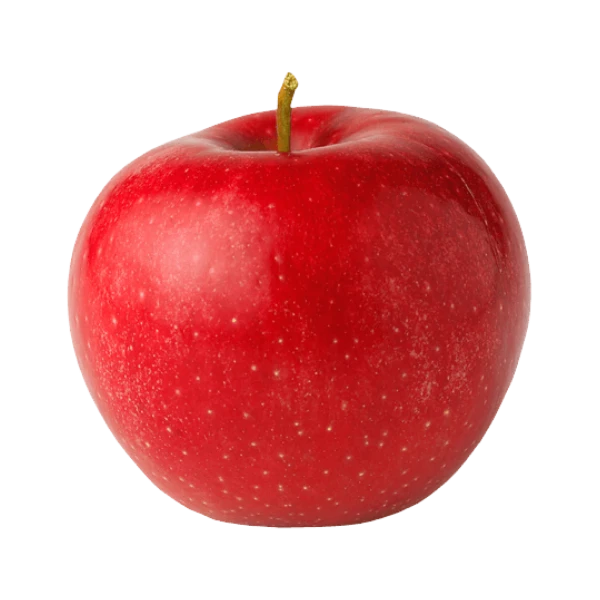
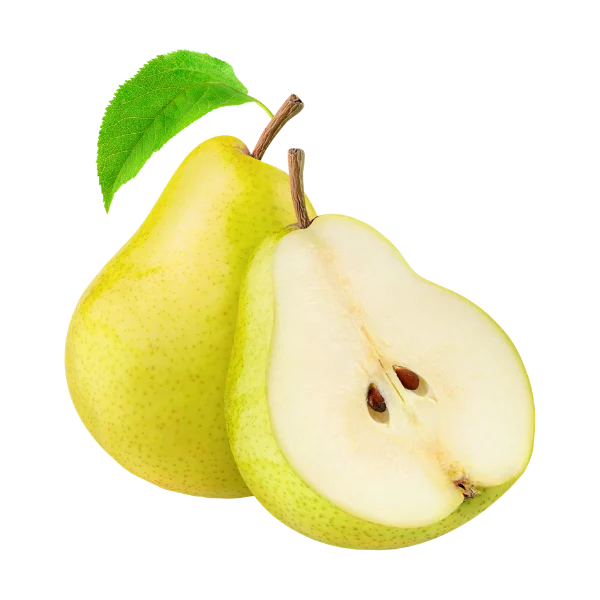
 Approach it similarly to apple or pear.
Quince belongs to the same plant family, and its histamine profile is generally considered similarly low.
 Introduce cooked quince like any new food.
Start with a small amount and note how you feel, especially if it's new to you.
 Track the prepared form you ate.
In MyHistaMap, note whether you had quince paste, jam, or compote, since added ingredients matter more than the fruit itself.
Common questions about Quince and histamine
Is quince high in histamine?
No. Quince belongs to the same family as apple and pear, and its histamine content is generally considered similarly low.
Why is quince always cooked before eating?
Raw quince is extremely firm, sour, and astringent due to high tannin content. Cooking softens the fruit and transforms these tannins, which is also why cooked quince turns pink or deep red.
Are quince seeds dangerous?
They contain small amounts of cyanogenic glycosides, including amygdalin, which can release hydrogen cyanide if the seeds are crushed or chewed in quantity. Avoid deliberately processing seeds for home remedies. This is unrelated to histamine.
Is quince jam or paste a histamine concern?
The fruit itself isn't a significant histamine concern, but these products can contain substantial added sugar, which is a separate consideration worth checking on the label.
Some people find these options helpful





Supplements are optional tools, not a solution. Personal tracking and identifying your individual triggers remains the priority.
Where this information comes from
At MyHistaMap we curate information from peer reviewed research and recognized medical sources. This guide is a reference tool, not a medical prescription. Always track your own reactions and consult your healthcare provider.
References
- Food as Medicine: Quince (Cydonia oblonga, Rosaceae), HerbalGram: describes quince as almost never eaten raw due to astringency, and explains that cooking converts astringent procyanidins into anthocyanidins under acidic conditions, producing the characteristic color change. The source for the tannin and color-change information referenced on this page.
- Reviews of cyanogenic glycoside content in Rosaceae seeds report low levels of amygdalin in Cydonia oblonga seeds, capable of releasing hydrogen cyanide when the seeds are broken down through crushing or chewing. The source for the seed safety information referenced on this page.
- SIGHI (Swiss Interest Group Histamine Intolerance) Food Compatibility List: rates apple and pear, close botanical relatives of quince, as well tolerated. The source for the comparative histamine classification referenced on this page.