This content is for informational purposes only and does not constitute medical advice. Always consult a qualified healthcare provider before making dietary changes. Histamine tolerance is highly individual.
This information applies to histamine intolerance, DAO deficiency, and MCAS only. If you have a confirmed food allergy, this content does not apply to you. Food allergies involve the immune system and can be life-threatening. Please consult your allergist.
Is Apple a trigger for histamine intolerance?
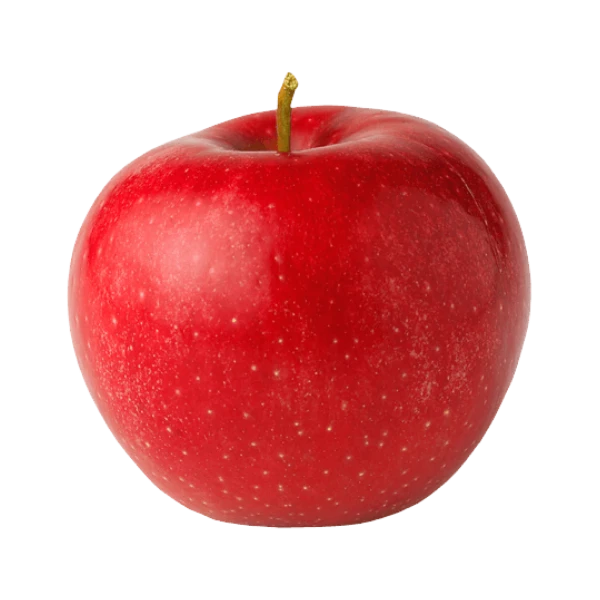
Apple scores a 0 out of 3 on the SIGHI Food Compatibility List, placing it in the Safe category.
Apple & Histamine, what the evidence says
Apple itself is low in histamine and is generally well tolerated by people managing histamine intolerance. What makes apple worth a closer look is quercetin, a plant compound found in much higher concentrations in the peel than in the flesh.
Quercetin is concentrated almost entirely in the peel rather than the flesh. Studies comparing different apple varieties have found that quercetin glycosides can reach substantial concentrations in the peel, while much smaller amounts are found in the flesh underneath. The exact amount varies considerably between apple varieties, but the difference between peel and flesh is consistent. This is why peeling an apple removes most of its quercetin along with the skin.
Quercetin has been studied for its effects on mast cells, the cells responsible for releasing histamine. Laboratory research using human mast cells found that quercetin inhibited the release of histamine and other inflammatory mediators. In some of these experiments, it was more effective than cromolyn at inhibiting specific mediators, although this does not mean that quercetin has been shown to be a better mast cell stabilizer overall. Small pilot human studies have also tested quercetin for conditions such as contact dermatitis and photosensitivity, with encouraging results, but those studies used quercetin directly and did not examine whether eating quercetin-rich foods reduces symptoms from dietary histamine.
The amounts used in most of this research, whether in laboratory experiments or human trials, are far higher than what an apple would normally provide. Average dietary quercetin intake is generally in the range of several milligrams to around 15 milligrams per day, depending on the population and diet. Eating apple with the peel is a reasonable way to include some quercetin as part of a varied diet, but it should not be considered equivalent to the concentrated doses used in research.
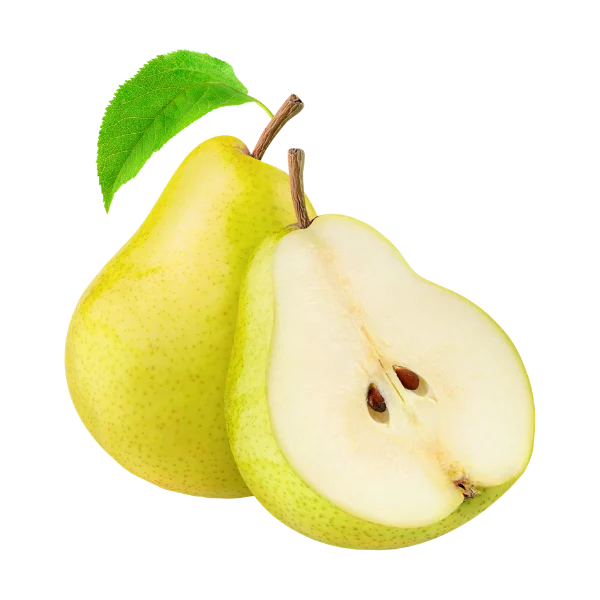
Apple carries a well-documented digestive consideration unrelated to histamine: it's high in fructose in excess of glucose and contains sorbitol as well, both classified as FODMAPs. When these carbohydrates aren't absorbed efficiently in the small intestine, they can reach the colon, where gut bacteria ferment them, producing gas, while their osmotic effect draws water into the bowel. This can cause bloating, gas, cramping, and loose stools in sensitive individuals, similar to what's discussed in more detail on this site's pear page.
This matters for people with histamine intolerance because digestive symptoms after eating apple could reflect this FODMAP mechanism rather than histamine, especially with larger portions. Salicylates are another separate consideration, and their content can vary considerably by variety, with some apple varieties measuring notably higher than others.
Does preparation change the risk?
Apple's histamine profile changes very little with ripeness the way some fruits do. Processing and fermentation are what shift the picture.
| Form | Risk Level | Notes |
|---|---|---|
| Fresh whole apple | Low | Naturally low histamine and well tolerated by most people |
| Fresh apple juice | Low | Fine when made and consumed soon after pressing |
| Dried apple | Low | Worth checking the label, since some dried fruit is treated with sulfite preservatives |
| Bruised or overripe apple | Moderate | Fruit that's starting to spoil may carry more biogenic amines than fresh fruit |
| Apple cider vinegar or hard cider | Moderate | Fermentation tends to raise histamine content compared to fresh apple or juice |
Note: Risk levels are based on clinical observations and patient reports, not standardized histamine measurements. Individual tolerance varies.
A food score is a reference, not a verdict.
Histamine intolerance is highly individual. A food that triggers symptoms in one person may be tolerated by another, even within the same category.
Strict elimination may help reduce symptoms initially, but long-term progress often depends on gradual reintroduction and pattern recognition. The goal is not to remove more foods over time, but to understand your personal tolerance and expand your diet when possible.
Tracking symptoms, portions, and context such as stress or timing can provide insights that generalized food lists cannot. This is where informed decisions replace fear-based restriction.
How to test your tolerance
 Eat the peel when you can.
Since quercetin concentrates almost entirely in apple skin, eating it unpeeled, after washing it well, is the simplest way to include some in your diet.
 Keep your expectations realistic.
The amount of quercetin in a typical serving of apple is far below what's been tested in research, so think of it as a small dietary contribution rather than a treatment.
 Watch for bruising.
Apples that are overripe, bruised, or starting to spoil may carry more biogenic amines than fresh fruit, so trim around soft spots or skip them.
 Check dried apple for sulfites.
Some dried fruit is treated with sulfite preservatives, which some people with histamine intolerance are separately sensitive to. Reading the label can help.
 Be mindful of fermented apple products.
Apple cider vinegar and hard cider go through fermentation, which tends to raise histamine content compared to fresh apple or juice.
 Consider FODMAPs if digestive symptoms don't fit your histamine pattern.
Bloating, gas, or loose stools after apple could reflect its fructose and sorbitol content rather than histamine, especially with larger portions.
 Track your response.
Note whether you ate the apple with or without the peel, and how you felt afterward, in MyHistaMap.
Common questions about Apple and histamine
Is apple high in histamine?
No. Apple is low in histamine and generally well tolerated by people managing histamine intolerance.
Does eating apple help with histamine intolerance?
Apple skin contains quercetin, a compound studied for its effect on mast cells in laboratory research. The amounts in a typical apple are much smaller than what's been tested in studies, so it's more of a small dietary contribution than a proven remedy.
Should I peel my apple or eat the skin?
Most of the quercetin in an apple is in the skin, so eating it unpeeled is the better choice if you're interested in that compound. Either way, the apple itself remains low in histamine.
Is apple cider vinegar the same as eating an apple?
No. Vinegar and cider go through fermentation, which tends to raise histamine content, unlike fresh apple or apple juice.
Why does apple sometimes cause bloating or gas?
Apple is high in fructose in excess of glucose and contains sorbitol, both FODMAPs that some people absorb poorly. This can cause digestive symptoms unrelated to histamine.
Some people find these options helpful





Supplements are optional tools, not a solution. Personal tracking and identifying your individual triggers remains the priority.
Where this information comes from
At MyHistaMap we curate information from peer reviewed research and recognized medical sources. This guide is a reference tool, not a medical prescription. Always track your own reactions and consult your healthcare provider.
References
- SIGHI (Swiss Interest Group Histamine Intolerance) Food Compatibility List: rates apple as well tolerated. The source for apple's low-risk classification referenced on this page.
- Polyphenolic Compounds Analysis of Old and New Apple Cultivars and Contribution of Polyphenolic Profile to the In Vitro Antioxidant Capacity, 2018: measured quercetin glycosides averaging 203 ± 108 mg/100g in apple peel, compared to total polyphenols 3 to 28 times lower in the flesh across cultivars. The source for the peel-versus-flesh comparison on this page.
- Weng et al., Quercetin Is More Effective than Cromolyn in Blocking Human Mast Cell Cytokine Release and Inhibits Contact Dermatitis and Photosensitivity in Humans, PLOS ONE, 2012: found quercetin and cromolyn similarly inhibited histamine and PGD2 release from cultured human mast cells, with quercetin more effective specifically against IL-8 and TNF in cells stimulated by substance P. Two small open-label pilot trials in the same study tested quercetin for contact dermatitis and photosensitivity, not dietary histamine intolerance. The source for the mast cell research referenced on this page.
- Kozuma et al., Estimated Daily Intake and Seasonal Food Sources of Quercetin in Japan, Nutrients, 2015: found an average daily quercetin intake of 16.2 mg (median 15.5 mg) in a Japanese population sample. Reported intake averages vary by country (roughly 9.75 mg/day in the US and 18.48 mg/day in Spain, per other reviews), which is why this page avoids stating a single fixed daily intake figure.
- Monash University FODMAP research: identifies apple as high in excess fructose and sorbitol, both FODMAPs that can cause bloating, gas, and altered bowel habits through poor small-intestine absorption and colonic fermentation, consistent with the mechanism discussed on this site's pear page. The source for the FODMAP content referenced on this page.