
This content is for informational purposes only and does not constitute medical advice. Always consult a qualified healthcare provider before making dietary changes. Histamine tolerance is highly individual.
This information applies to histamine intolerance, DAO deficiency, and MCAS only. If you have a confirmed food allergy, this content does not apply to you. Food allergies involve the immune system and can be life-threatening. Please consult your allergist.
Is Grapes a trigger for histamine intolerance?
Grapes scores a 0 out of 3 on the SIGHI Food Compatibility List, placing it in the Safe category.
Grapes & Histamine, what the evidence says
Fresh table grapes aren't usually thought of as a food treated with sulfites, since that association is more commonly made with dried fruit and wine. In practice, however, sulfur dioxide fumigation has been used commercially to preserve table grapes for decades. The treatment was introduced for grapes in 1925 and was later adapted specifically for table grapes to control decay, particularly gray mold caused by Botrytis cinerea. Today, sulfur dioxide-generating pads are commonly used inside grape packages during storage and transportation, and commercial systems can protect grapes for periods of up to about two months.
This matters because sulfites can trigger reactions in some people independently of dietary histamine. Fresh grapes themselves do not need to be dried or fermented for sulfite exposure to be possible. The EPA regulates the use of sulfur dioxide as a postharvest fungicide and fumigant on table grapes, including the permitted residue tolerance. The FDA regulates sulfites more broadly in their role as food additives.
Not every bunch of fresh grapes has necessarily been treated with sulfur dioxide, and there is no reliable way to tell from appearance alone whether a particular bunch has been exposed or how much residue remains. If you notice reactions specifically with commercially stored grapes but tolerate freshly harvested grapes, sulfite exposure from postharvest handling is one possible factor worth considering.
Fresh grapes' own histamine content is generally not considered a significant concern. Wine and other fermented grape products are a completely different question, since fermentation can allow microorganisms to produce histamine and other biogenic amines from amino acids. The fact that both products come from grapes does not make their histamine profiles equivalent.
Does preparation change the risk?
For grapes, possible sulfite exposure from storage and processing matters more than freshness or ripeness for histamine purposes.
| Form | Risk Level | Notes |
|---|---|---|
| Fresh grapes, recently harvested or locally sourced | Low | Less likely to have gone through extended commercial sulfite fumigation |
| Fresh grapes, commercially stored or shipped long distance | Moderate | May have been treated with sulfur dioxide during storage; sulfites can trigger reactions independent of histamine in some people |
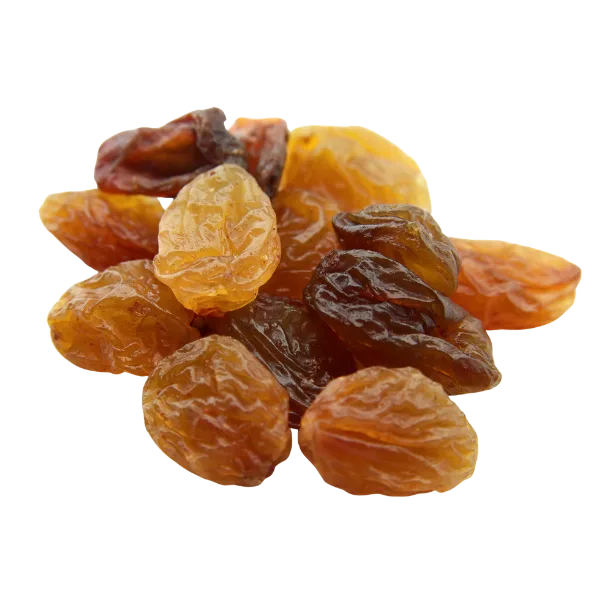
| Raisins or dried grapes | Moderate | Also commonly sulfured; check the label for unsulfured options |
| Wine or other fermented grape products | High | Fermentation substantially raises histamine and other biogenic amine content compared to fresh grapes |
Note: Risk levels are based on clinical observations and patient reports, not standardized histamine measurements. Individual tolerance varies.
A food score is a reference, not a verdict.
Histamine intolerance is highly individual. A food that triggers symptoms in one person may be tolerated by another, even within the same category.
Strict elimination may help reduce symptoms initially, but long-term progress often depends on gradual reintroduction and pattern recognition. The goal is not to remove more foods over time, but to understand your personal tolerance and expand your diet when possible.
Tracking symptoms, portions, and context such as stress or timing can provide insights that generalized food lists cannot. This is where informed decisions replace fear-based restriction.
How to test your tolerance
 Consider sulfite exposure if grapes seem inconsistent.
If you sometimes react to grapes and sometimes don't, storage-related sulfite treatment is one possible factor, separate from the fruit's histamine content.
 Locally sourced or recently harvested grapes are a reasonable comparison point.
These are less likely to have gone through extended sulfite fumigation than grapes stored or shipped for long periods.
 Washing grapes is a reasonable general practice.
It won't reliably remove all sulfite residue, but it's a sensible habit regardless.
- Don't extrapolate from wine to fresh grapes.
Wine and other fermented grape products have a very different histamine profile than fresh grapes, due to fermentation, not because they share an origin.
- Check raisins and dried grapes separately.
These are commonly sulfured too. Look for unsulfured options if you're avoiding sulfites.
 Track grapes by source when you can.
In MyHistaMap, noting whether grapes were locally sourced versus commercially stored may help you spot a pattern if sulfites are a factor for you.
Common questions about Grapes and histamine
Are fresh grapes high in histamine?
No, fresh grapes' own histamine content is generally not considered a significant concern.
Do fresh grapes contain sulfites?
They can. Sulfur dioxide fumigation has been a standard commercial method for preserving table grapes during storage and transportation for decades, separate from any drying or fermentation.
Why do I react to some grapes but not others?
Sulfite exposure from postharvest storage and shipping is one possible factor, since sulfites can trigger reactions independently of dietary histamine. Locally sourced or recently harvested grapes are less likely to have been extensively treated.
Is wine the same as grapes for histamine purposes?
No. Fermentation allows microorganisms to produce histamine and other biogenic amines, so wine and other fermented grape products have a very different histamine profile than fresh grapes.
Some people find these options helpful





Supplements are optional tools, not a solution. Personal tracking and identifying your individual triggers remains the priority.
Where this information comes from
At MyHistaMap we curate information from peer reviewed research and recognized medical sources. This guide is a reference tool, not a medical prescription. Always track your own reactions and consult your healthcare provider.
References
- U.S. EPA, Reregistration Eligibility Decision: Inorganic Sulfites: describes sulfur dioxide's registered use as a postharvest fungicide and fumigant on table grapes to control Botrytis cinerea (gray mold), and confirms the EPA's regulatory role in setting residue tolerances. The source for the regulatory information referenced on this page.
- Smilanick et al., Factors Influencing Sulfite Residues in Table Grapes After Sulfur Dioxide Fumigation, American Journal of Enology and Viticulture, 1990: measured 5 to 20 micrograms per gram of total sulfur dioxide in table grapes immediately after standard fumigation. The source for the residue measurement referenced on this page.
- ANR Catalog, Sulfur Dioxide Fumigation of Table Grapes, University of California: confirms that sulfur dioxide fumigation during storage can extend fresh table grapes' shelf life to as long as two months. The source for the storage duration referenced on this page.
- SIGHI (Swiss Interest Group Histamine Intolerance) Food Compatibility List: rates fresh grapes as well tolerated. The source for grapes' baseline histamine classification referenced on this page.