This content is for informational purposes only and does not constitute medical advice. Always consult a qualified healthcare provider before making dietary changes. Histamine tolerance is highly individual.
This information applies to histamine intolerance, DAO deficiency, and MCAS only. If you have a confirmed food allergy, this content does not apply to you. Food allergies involve the immune system and can be life-threatening. Please consult your allergist.
Is Rhubarb a trigger for histamine intolerance?
Rhubarb scores a 1 out of 3 on the SIGHI Food Compatibility List, placing it in the Low category.
Rhubarb & Histamine, what the evidence says
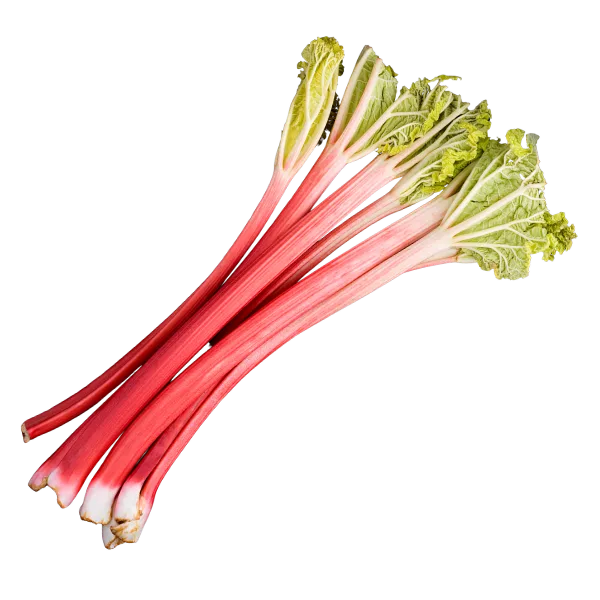
Rhubarb is noted on some reference lists as a food with mixed or controversial tolerance, often well tolerated despite this designation, with oxalic acid specifically flagged as the reason for caution. This applies to the stalk, the only part of the plant that is eaten.
Rhubarb stalks are genuinely high in oxalate. Published analyses have measured raw stalks at roughly 640 to 900 milligrams per 100 grams. Cooking rhubarb in water measurably reduces this: one study found levels dropped by about half after cooking, likely due to dilution and leaching into the cooking liquid.
Separate from any histamine or oxalate consideration, rhubarb leaves are not eaten and are considered unsafe due to a much higher concentration of oxalic acid than the stalks contain. The leaves should not be consumed.
Does preparation change the risk?
Preparation method meaningfully affects rhubarb's oxalate content, and the leaves are a separate safety issue entirely.
| Form | Risk Level | Notes |
|---|---|---|
| Raw stalk | High | Genuinely high in oxalate, roughly 640 to 900 mg per 100g |
| Cooked in water (stewed, poached) | Moderate | Oxalate content measurably drops, roughly by half in one study, likely from dilution and leaching |
| Leaves, any preparation | High | Not eaten; considered unsafe due to much higher oxalic acid concentration than the stalks |
Note: Risk levels are based on clinical observations and patient reports, not standardized histamine measurements. Individual tolerance varies.
A food score is a reference, not a verdict.
Histamine intolerance is highly individual. A food that triggers symptoms in one person may be tolerated by another, even within the same category.
Strict elimination may help reduce symptoms initially, but long-term progress often depends on gradual reintroduction and pattern recognition. The goal is not to remove more foods over time, but to understand your personal tolerance and expand your diet when possible.
Tracking symptoms, portions, and context such as stress or timing can provide insights that generalized food lists cannot. This is where informed decisions replace fear-based restriction.
How to test your tolerance
 Cook it in water if managing oxalate intake.
Stewing or poaching rhubarb stalks in water measurably reduces oxalate content, likely through dilution and leaching into the cooking liquid.
 Never eat the leaves.
Rhubarb leaves contain a much higher concentration of oxalic acid than the stalks and are not considered safe to eat.
 Know it's a mixed classification, not a clear low-risk food.
Some reference lists note rhubarb as controversial rather than straightforwardly low-risk, though it's often well tolerated in practice.
 Track your response if trying it new.
Given the oxalate content and mixed classification, logging your experience with the MyHistaMap app is particularly useful here.
Common questions about Rhubarb and histamine
Is rhubarb high in histamine?
It's noted on some reference lists as having mixed or controversial tolerance, though it's often well tolerated. Oxalic acid, not histamine specifically, is the flagged reason for caution.
Is rhubarb high in oxalate?
Yes, genuinely so. Published analyses have measured raw stalks at roughly 640 to 900 milligrams per 100 grams.
Does cooking rhubarb reduce its oxalate content?
Yes. Cooking rhubarb in water measurably reduces oxalate, with one study finding levels dropped by about half, likely due to dilution and leaching into the cooking liquid.
Can I eat rhubarb leaves?
No. Rhubarb leaves are not eaten and are considered unsafe due to a much higher concentration of oxalic acid than the stalks contain.
Some people find these options helpful





Supplements are optional tools, not a solution. Personal tracking and identifying your individual triggers remains the priority.
Where this information comes from
At MyHistaMap we curate information from peer reviewed research and recognized medical sources. This guide is a reference tool, not a medical prescription. Always track your own reactions and consult your healthcare provider.
References
- SIGHI (Swiss Interest Group Histamine Intolerance) Food Compatibility List, version 2024-08-29: rates rhubarb 1, with no liberator or rich-in-histamine marking, and the remark 'Controversial. Often well tolerated. Oxalic acid.' This is the source for the mixed-tolerance classification and oxalic acid flag referenced on this page.
- Oxalate Bioaccessibility in Raw and Cooked Rhubarb (Rheum Rhabarbarum L.) During In Vitro Digestion, ScienceDirect: measured mean total oxalate at 902.7 mg/100g fresh weight in raw rhubarb petioles, dropping to 454.3 mg/100g after cooking with water, attributing the reduction to dilution. This is the source for the raw and cooked oxalate figures referenced on this page.