This content is for informational purposes only and does not constitute medical advice. Always consult a qualified healthcare provider before making dietary changes. Histamine tolerance is highly individual.
This information applies to histamine intolerance, DAO deficiency, and MCAS only. If you have a confirmed food allergy, this content does not apply to you. Food allergies involve the immune system and can be life-threatening. Please consult your allergist.
Is Wakame seaweed a trigger for histamine intolerance?
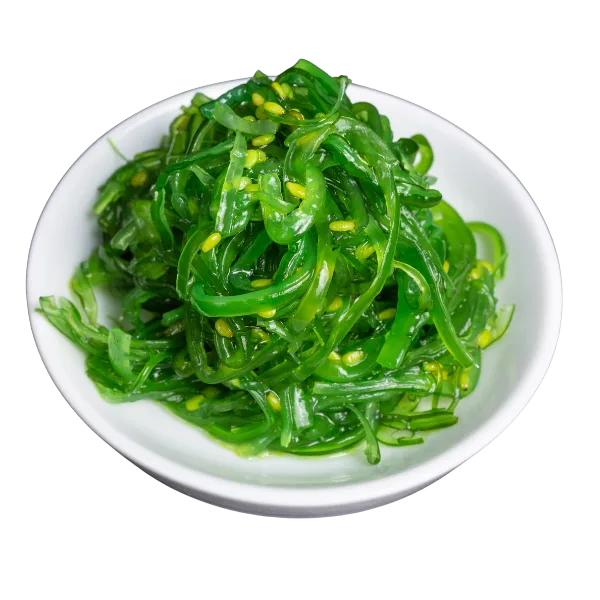
Wakame seaweed scores a 3 out of 3 on the SIGHI Food Compatibility List, placing it in the High category. It is also classified on some reference lists as a potential histamine liberator. This reflects the reference list's classification rather than a confirmed mast-cell mechanism, since research specifically testing this hasn't provided strong support for it.
Wakame seaweed & Histamine, what the evidence says
Wakame is noted as a potential histamine liberator on some reference lists, meaning it may trigger the body's own histamine release beyond whatever it directly contains. This classification applies to seaweed generally on at least one major reference list, without distinguishing between different species.
That same reference list also flags seaweed as extremely rich in iodine, using an identical note across several different seaweed species. Wakame is genuinely iodine-rich, although published analyses put it meaningfully lower in iodine than kombu, roughly in the range of tens to a few hundred micrograms per gram depending on the source, compared to kombu's several thousand micrograms per gram. The iodine content of wakame is therefore significant, but it is not comparable to the extreme levels found in kombu.
Wakame also contains mannitol, a sugar alcohol and one of the FODMAP groups. The low-FODMAP serving size is quite small, around 5 grams (about a teaspoon), rising to moderate at roughly double that amount, so portion size matters even at amounts that might seem small.
Does preparation change the risk?
Portion size is the main variable for wakame, given how quickly its FODMAP content rises.
| Form | Risk Level | Notes |
|---|---|---|
| Small amount (about 5g, 1 tsp) | Moderate | Baseline consideration given the liberator note; low FODMAP at this serving size |
| Larger amount (about 10g or more) | Moderate | FODMAP content rises to moderate at roughly this amount |
| Seaweed salad, restaurant portion | Moderate | Typically exceeds the low-FODMAP serving size; also carries the liberator and iodine considerations |
Note: Risk levels are based on clinical observations and patient reports, not standardized histamine measurements. Individual tolerance varies.
A food score is a reference, not a verdict.
Histamine intolerance is highly individual. A food that triggers symptoms in one person may be tolerated by another, even within the same category.
Strict elimination may help reduce symptoms initially, but long-term progress often depends on gradual reintroduction and pattern recognition. The goal is not to remove more foods over time, but to understand your personal tolerance and expand your diet when possible.
Tracking symptoms, portions, and context such as stress or timing can provide insights that generalized food lists cannot. This is where informed decisions replace fear-based restriction.
How to test your tolerance
 Consider the liberator effect.
Wakame is noted as a potential histamine liberator, worth tracking alongside its direct histamine content.
 Know it's iodine-rich, but not kombu-level.
Wakame is genuinely high in iodine, but published analyses put it meaningfully lower than kombu, which is far more concentrated.
 Watch your portion size closely.
Wakame's low-FODMAP serving size is quite small, around 5 grams (a teaspoon), rising to moderate at roughly double that.
 Track your response.
Log the amount and any symptoms using the MyHistaMap app, given the liberator effect and narrow FODMAP window.
Common questions about Wakame seaweed and histamine
Is wakame high in histamine?
It's noted as a potential histamine liberator on some reference lists, meaning it may trigger histamine release beyond its direct content. This classification is applied to seaweed generally rather than measured specifically for wakame.
Is wakame as high in iodine as kombu?
No. While both are grouped together on some reference lists that flag seaweed as extremely rich in iodine, published analyses show wakame is meaningfully lower in iodine than kombu, though still genuinely iodine-rich in its own right.
How much wakame can I eat on a low FODMAP approach?
The low-FODMAP serving size is quite small, around 5 grams (about a teaspoon), rising to moderate at roughly double that amount.
Is all seaweed the same for histamine and iodine purposes?
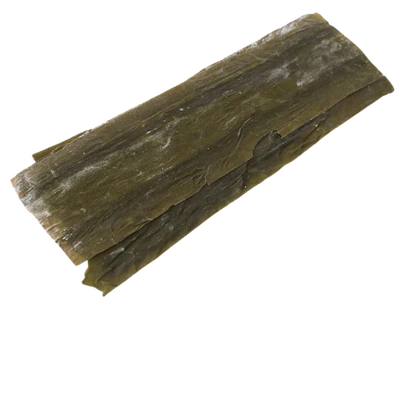
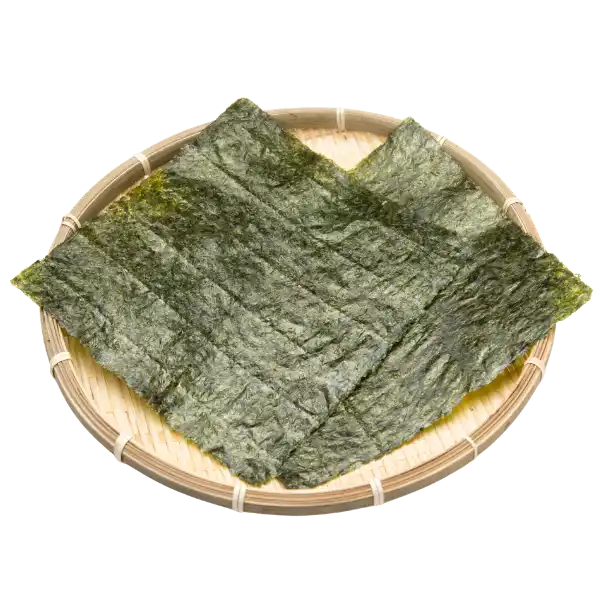
No. Different seaweed species vary substantially, particularly in iodine content, so it's worth tracking wakame, kombu, and nori as separate foods rather than assuming they all behave the same way.
Some people find these options helpful





Supplements are optional tools, not a solution. Personal tracking and identifying your individual triggers remains the priority.
Where this information comes from
At MyHistaMap we curate information from peer reviewed research and recognized medical sources. This guide is a reference tool, not a medical prescription. Always track your own reactions and consult your healthcare provider.
References
- SIGHI (Swiss Interest Group Histamine Intolerance) Food Compatibility List, version 2024-08-29: rates wakame seaweed 3, marked 'L' (liberator), with the remark 'Extremely rich in iodine.' The identical score, marking, and remark are also given to kombu seaweed and nori seaweed, indicating this note is applied to seaweed generally rather than measured species by species. This is the source for the liberator classification referenced on this page.
- Iodine and Seaweed, MyNutriWeb, citing McCance & Widdowson's The Composition of Foods: reports average iodine values for dried seaweed of 1,470 micrograms per 100g in nori, 16,830 micrograms per 100g in wakame, and 440,670 micrograms per 100g in kombu. This is the source for the comparative iodine figures referenced on this page, showing wakame is meaningfully higher in iodine than nori but far lower than kombu.
- All About Sushi & The Low FODMAP Diet, FODMAP Everyday, citing Monash University lab testing: confirms Monash has lab tested wakame seaweed and found it low FODMAP at a serving size of 5g (1 teaspoon), becoming moderate for FODMAPs at 10g (2 teaspoons). This is the source for the FODMAP serving-size classification referenced on this page.
- Wakame Oxalate Content, OxalateContent.com, citing USDA FoodData Central: reports oxalate content of wakame at 8mg per 100g, considered low in oxalates.