This content is for informational purposes only and does not constitute medical advice. Always consult a qualified healthcare provider before making dietary changes. Histamine tolerance is highly individual.
This information applies to histamine intolerance, DAO deficiency, and MCAS only. If you have a confirmed food allergy, this content does not apply to you. Food allergies involve the immune system and can be life-threatening. Please consult your allergist.
Is Wild garlic a trigger for histamine intolerance?
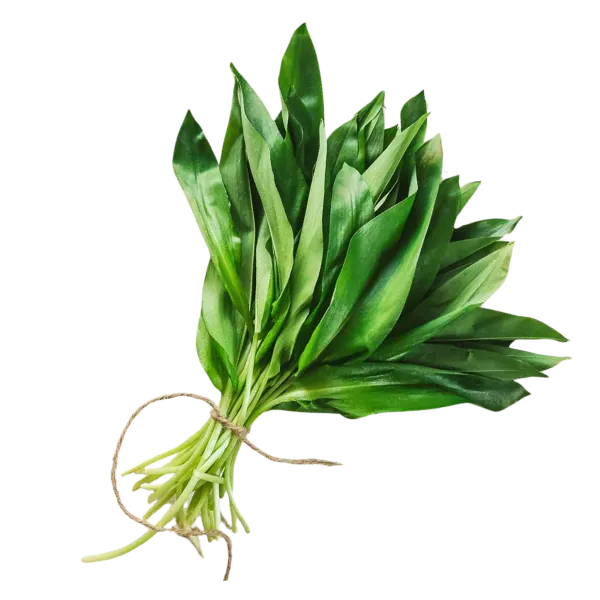
Wild garlic scores a 1 out of 3 on the SIGHI Food Compatibility List, placing it in the Low category. It is also classified on some reference lists as a potential histamine liberator. This reflects the reference list's classification rather than a confirmed mast-cell mechanism, since research specifically testing this hasn't provided strong support for it.
Wild garlic & Histamine, what the evidence says
Wild garlic is moderately compatible with histamine intolerance, with small amounts generally well tolerated, and carries a liberator designation in reference classifications.
Its far more significant consideration has nothing to do with histamine and involves foraging safety. Wild garlic's young leaves closely resemble those of two seriously toxic plants, lily of the valley and autumn crocus, which can grow in similar woodland habitats and emerge around the same time in spring. Autumn crocus contains colchicine, a highly toxic compound that can cause severe gastrointestinal symptoms followed by multi-organ failure, while lily of the valley contains cardiac glycosides that can cause dangerous heart rhythm changes. Food safety authorities and poison centres in several European countries have documented repeated poisoning cases from these mix-ups, some of them fatal. The characteristic garlic smell is an important way to distinguish wild garlic from its toxic lookalikes, but smell alone should not be relied upon. Wild garlic has a distinct garlic odour when its leaves are crushed, while neither toxic lookalike has this characteristic smell. This risk applies specifically to foraging wild garlic yourself, not to wild garlic purchased from a reliable commercial source.
Does preparation change the risk?
Source matters more than preparation for wild garlic, since the main risk relates to correct plant identification.
| Form | Risk Level | Notes |
|---|---|---|
| Commercially sold wild garlic, culinary amounts | Low | Moderately compatible with histamine intolerance in small amounts; carries a liberator designation |
| Larger amounts, any source | Moderate | Good tolerance is specifically associated with small amounts |
| ⚠️ Foraged from the wild, any use | High | Risk of confusing wild garlic with lily of the valley or autumn crocus, both seriously toxic; smell alone is not a fully reliable test |
Note: Risk levels are based on clinical observations and patient reports, not standardized histamine measurements. Individual tolerance varies.
A food score is a reference, not a verdict.
Histamine intolerance is highly individual. A food that triggers symptoms in one person may be tolerated by another, even within the same category.
Strict elimination may help reduce symptoms initially, but long-term progress often depends on gradual reintroduction and pattern recognition. The goal is not to remove more foods over time, but to understand your personal tolerance and expand your diet when possible.
Tracking symptoms, portions, and context such as stress or timing can provide insights that generalized food lists cannot. This is where informed decisions replace fear-based restriction.
How to test your tolerance
 Know the toxic lookalikes before foraging.
Wild garlic's leaves closely resemble lily of the valley and autumn crocus, both seriously toxic. Poisoning cases, some fatal, are documented every spring in parts of Europe.
 Use smell as one check, not the only one.
Wild garlic has a distinct garlic odor when crushed, while its toxic lookalikes don't. This is a useful check, but smell alone shouldn't be fully relied upon, since scent from other alliums on your hands can be misleading.
 Commercially sold wild garlic is a different consideration.
The identification risk applies to foraging yourself, not to wild garlic purchased from a reliable commercial source.
 Keep amounts small.
Good tolerance for histamine intolerance is specifically associated with small quantities of wild garlic.
 Know the liberator designation.
Wild garlic carries a designation suggesting it may act as a histamine liberator in reference classifications.
 Track your response in MyHistaMap.
Log the amount of wild garlic used and any symptoms.
Common questions about Wild garlic and histamine
Is wild garlic high in histamine?
It's moderately compatible with histamine intolerance, with small amounts generally well tolerated, though it carries a liberator designation in reference classifications.
Is it safe to forage wild garlic?
It requires careful identification. Wild garlic's leaves closely resemble two seriously toxic plants, lily of the valley and autumn crocus. Food safety authorities in several European countries document repeated poisoning cases from this confusion every spring, some fatal. This risk doesn't apply to wild garlic bought commercially.
How can I tell wild garlic from its toxic lookalikes?
Its distinct garlic smell when the leaves are crushed is an important clue, since neither lily of the valley nor autumn crocus has this odor. However, smell alone shouldn't be fully relied upon as a test.
What happens if you eat the toxic lookalikes by mistake?
Autumn crocus contains colchicine, which can cause severe gastrointestinal symptoms followed by multi-organ failure. Lily of the valley contains cardiac glycosides that can cause dangerous heart rhythm changes. Both require prompt medical attention.
Some people find these options helpful





Supplements are optional tools, not a solution. Personal tracking and identifying your individual triggers remains the priority.
Where this information comes from
At MyHistaMap we curate information from peer reviewed research and recognized medical sources. This guide is a reference tool, not a medical prescription. Always track your own reactions and consult your healthcare provider.
References
- SIGHI (Swiss Interest Group Histamine Intolerance) Food Compatibility List: classifies wild garlic (Allium ursinum), also listed as bear leek, bear's garlic, broad-leaved garlic, buckrams, ramsons, and wood garlic, with a histamine score of 1 and a liberator (L) designation, noting small amounts are well tolerated.
- Wild garlic: Beware of mix-ups, German Federal Institute for Risk Assessment (BfR): confirms wild garlic is repeatedly confused with lily of the valley and autumn crocus, with poisoning cases documented every spring across several European countries, some fatal, and notes that smell alone should not be considered infallible. The source for this page's foraging safety section.
- Confusion between autumn crocus and wild garlic can lead to fatal poisoning, French Agency for Food, Environmental and Occupational Health & Safety (ANSES): documents 28 cases of confusion between autumn crocus and wild garlic recorded by French poison control centres between 2020 and 2022. The source for this page's case statistics.
- Wild garlic, Austrian Agency for Health and Food Safety (AGES): describes the clinical progression of autumn crocus (colchicine) poisoning, including gastrointestinal symptoms followed by destruction of intestinal, blood, and bone marrow cells, and cardiac glycoside effects from lily of the valley. The source for this page's toxin mechanism section.