This content is for informational purposes only and does not constitute medical advice. Always consult a qualified healthcare provider before making dietary changes. Histamine tolerance is highly individual.
This information applies to histamine intolerance, DAO deficiency, and MCAS only. If you have a confirmed food allergy, this content does not apply to you. Food allergies involve the immune system and can be life-threatening. Please consult your allergist.
Is Yam a trigger for histamine intolerance?
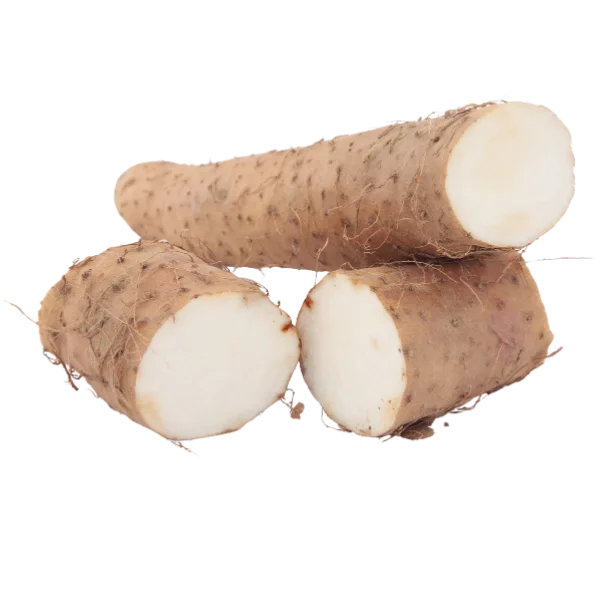
Yam scores a 0 out of 3 on the SIGHI Food Compatibility List, placing it in the Safe category.
Yam & Histamine, what the evidence says
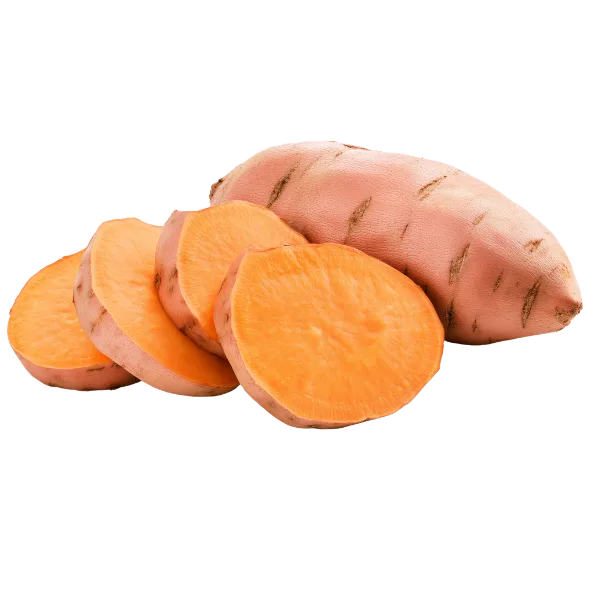
Yam is not associated with meaningful histamine content, which places it favorably on a low-histamine approach. True yam (Dioscorea alata and related species) should not be confused with sweet potato, a different plant entirely, or with "New Zealand yam," which actually refers to Oxalis tuberosa, an unrelated species with its own separate profile.
It is normally peeled and cooked before eating. This is relevant because some Dioscorea species contain bitter or potentially toxic compounds that can be reduced through traditional preparation methods such as washing, soaking, and boiling. The composition varies between species, so this does not mean that all yams are toxic when raw, but proper preparation is an established part of how these tubers are traditionally made suitable for eating.
Oxalate is a more consistent nutritional consideration. Published analyses have measured tubers in the range of roughly 486 to 781 milligrams per 100 grams of dry matter, although this cannot be directly compared with oxalate values reported on a fresh-weight basis. A substantial portion of the oxalate, roughly 50 to 75 percent in one study, was in a water-soluble form.
Mannitol is another consideration, as yam contains this sugar alcohol along with other FODMAPs. A serving of about 75 grams (one cup) is considered low in FODMAPs, and this rises to moderate at around 300 grams (two cups), so typical servings leave a fairly wide margin.
Does preparation change the risk?
Species and preparation both matter for yam, more so than for most root vegetables.
| Form | Risk Level | Notes |
|---|---|---|
| Cultivated yam, peeled and cooked (about 75g) | Low | Standard preparation; low in FODMAPs at this serving size |
| Cultivated yam, peeled and cooked (larger portion) | Moderate | FODMAP content rises to moderate around 300g |
| Wild-harvested yam, improperly prepared | High | Some wild Dioscorea species require thorough soaking and boiling to remove bitter or toxic compounds |
Note: Risk levels are based on clinical observations and patient reports, not standardized histamine measurements. Individual tolerance varies.
A food score is a reference, not a verdict.
Histamine intolerance is highly individual. A food that triggers symptoms in one person may be tolerated by another, even within the same category.
Strict elimination may help reduce symptoms initially, but long-term progress often depends on gradual reintroduction and pattern recognition. The goal is not to remove more foods over time, but to understand your personal tolerance and expand your diet when possible.
Tracking symptoms, portions, and context such as stress or timing can provide insights that generalized food lists cannot. This is where informed decisions replace fear-based restriction.
How to test your tolerance
 Know what you're actually eating.
True yam (Dioscorea) is unrelated to sweet potato and to "New Zealand yam," which is actually Oxalis tuberosa, a completely different plant with its own separate profile.
 Always peel and cook it.
This is standard practice for yam and helps address the bitter or potentially toxic compounds present in some Dioscorea species.
 Portion size has a wide margin here.
Yam's low-FODMAP window is relatively generous: about 75g is low, and it doesn't rise to moderate until around 300g.
 Oxalate is the more relevant consideration.
Yam is genuinely high in oxalate, though a substantial portion is water-soluble, which may reduce its practical impact somewhat.
 Track your response if trying it new.
Given the oxalate content, logging your experience with the MyHistaMap app is particularly useful here.
Common questions about Yam and histamine
Is yam high in histamine?
No. Yam is not associated with meaningful histamine content.
Is yam the same as sweet potato?
No, they are different plants entirely, despite sometimes being used interchangeably in casual conversation or even mislabeled in stores.
What is "New Zealand yam"?
Despite the name, it's actually Oxalis tuberosa, a completely different, unrelated species from true yam (Dioscorea), with its own separate nutritional profile.
Do I need to prepare yam a specific way?
Yes, it's normally peeled and cooked. Some wild Dioscorea species contain bitter or potentially toxic compounds that traditional preparation methods like washing, soaking, and boiling are designed to reduce.
Is yam high in oxalate?
Yes, genuinely so. Published analyses have measured tubers at roughly 486 to 781 milligrams per 100 grams of dry matter, though a substantial portion of this is in a water-soluble form.
Some people find these options helpful





Supplements are optional tools, not a solution. Personal tracking and identifying your individual triggers remains the priority.
Where this information comes from
At MyHistaMap we curate information from peer reviewed research and recognized medical sources. This guide is a reference tool, not a medical prescription. Always track your own reactions and consult your healthcare provider.
References
- SIGHI (Swiss Interest Group Histamine Intolerance) Food Compatibility List, version 2024-08-29: rates yam 0, with no liberator or rich-in-histamine marking. This is the source for the low-histamine classification referenced on this page.
- Nutritional Assessment of Yam (Dioscorea alata) Tubers, Plant Foods for Human Nutrition: measured total oxalate levels in yam tubers at 486 to 781 mg per 100g of dry matter across seven cultivars, noting that 50 to 75% of the oxalate was in a water-soluble form. This is the source for the oxalate figures referenced on this page.
- Bitterness and Toxicity in Wild Yam (Dioscorea spp.) Tubers of Nepal, Plant Foods for Human Nutrition: found that wild yam tubers are unpalatable and can produce inflammation or occasional toxicity, with bitter furanoid norditerpenes identified as the primary bitter compounds; tubers analyzed in this study are eaten by local communities only after primary treatment such as soaking and boiling. This is the source for the traditional preparation and bitter/toxic compound information referenced on this page.
- Potatoes, FODMAP Everyday, citing Monash University lab testing: confirms Monash has tested true yams (Dioscorea alata) directly, finding them low FODMAP in 1 cup (75g) portions and not reaching moderate until 2 cup (300g) portions, and separately notes that "New Zealand yam" is actually Oxalis tuberosa, a different vegetable that has not been lab tested by Monash. This is the source for the FODMAP serving-size classification and the New Zealand yam distinction referenced on this page.