This content is for informational purposes only and does not constitute medical advice. Always consult a qualified healthcare provider before making dietary changes. Histamine tolerance is highly individual.
This information applies to histamine intolerance, DAO deficiency, and MCAS only. If you have a confirmed food allergy, this content does not apply to you. Food allergies involve the immune system and can be life-threatening. Please consult your allergist.
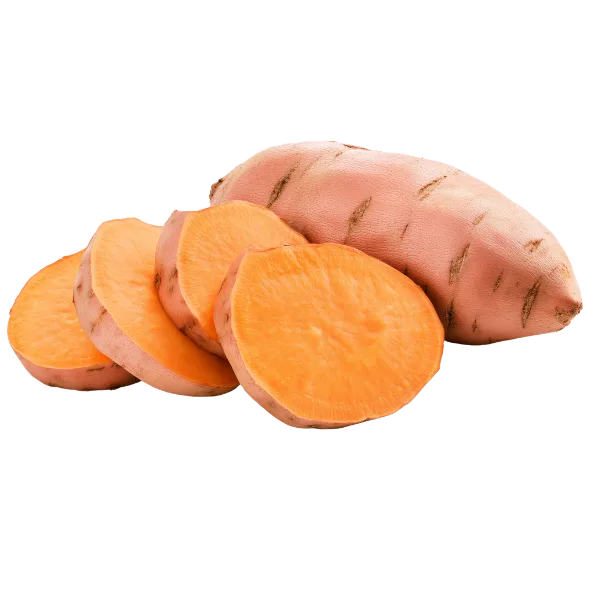
Is Sweet potato a trigger for histamine intolerance?
Sweet potato scores a 0 out of 3 on the SIGHI Food Compatibility List, placing it in the Safe category.
Sweet potato & Histamine, what the evidence says
Sweet potato is not associated with meaningful histamine content, which places it favorably on a low-histamine approach. Despite the shared name, sweet potato belongs to the morning glory family, not the nightshade family that includes regular potato, so it doesn't carry the same glycoalkaloid considerations described for potatoes.
Sweet potato contains a moderate amount of oxalate, with published figures generally ranging from roughly 50 to 150 milligrams per 100 grams depending on the study and variety. This is meaningfully lower than high-oxalate vegetables like spinach, but not negligible either.
Sweet potato also contains mannitol, a sugar alcohol and one of the FODMAP groups. A serving of about 75 grams is generally considered low in FODMAPs, but this rises to moderate at around 100 grams and high beyond that, so portion size matters more here than for many vegetables.
Sweet potato contains lectins as well, though in smaller amounts than legumes or whole grains, and cooking further reduces their levels.
Does preparation change the risk?
Portion size is the main variable for sweet potato, given its mannitol content.
| Form | Risk Level | Notes |
|---|---|---|
| Cooked, small portion (about 75g) | Low | Generally low in FODMAPs at this serving size |
| Cooked, moderate portion (about 100g) | Moderate | Mannitol content rises to moderate at this serving size |
| Cooked, large portion | High | Mannitol content becomes high beyond moderate serving sizes |
| Leaves | High | Notably higher in oxalate than the root; a separate consideration from the tuber |
Note: Risk levels are based on clinical observations and patient reports, not standardized histamine measurements. Individual tolerance varies.
A food score is a reference, not a verdict.
Histamine intolerance is highly individual. A food that triggers symptoms in one person may be tolerated by another, even within the same category.
Strict elimination may help reduce symptoms initially, but long-term progress often depends on gradual reintroduction and pattern recognition. The goal is not to remove more foods over time, but to understand your personal tolerance and expand your diet when possible.
Tracking symptoms, portions, and context such as stress or timing can provide insights that generalized food lists cannot. This is where informed decisions replace fear-based restriction.
How to test your tolerance
 It's not a nightshade.
Despite the shared name, sweet potato belongs to the morning glory family, not the nightshade family that includes regular potato, so nightshade-related considerations don't apply here.
 Watch your portion size.
Sweet potato's mannitol content means a small serving (about 75g) is generally low in FODMAPs, but this rises with larger portions.
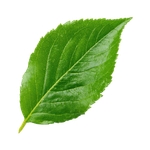 Skip the leaves if oxalate is a concern.
Sweet potato leaves are notably higher in oxalate than the root itself and are a separate consideration from the tuber.
 Cooking helps with lectins.
Sweet potato contains some lectins, though in smaller amounts than legumes or whole grains, and cooking further reduces their levels.
 Track your response if trying it new.
Even well-tolerated vegetables are worth a brief note in the MyHistaMap app when first introduced.
Common questions about Sweet potato and histamine
Is sweet potato high in histamine?
No. Sweet potato is not associated with meaningful histamine content.
Is sweet potato a nightshade like regular potato?
No, despite the shared name. Sweet potato belongs to the morning glory family, while regular potato belongs to the nightshade family. They don't share the same glycoalkaloid considerations.
How much sweet potato can I eat on a low FODMAP approach?
About 75 grams (roughly half a cup) is generally considered low in FODMAPs. This rises to moderate around 100 grams and high beyond that, due to its mannitol content.
Is sweet potato high in oxalate?
It's moderate, generally ranging from roughly 50 to 150 milligrams per 100 grams depending on the study and variety, meaningfully lower than high-oxalate vegetables like spinach but not negligible.
Some people find these options helpful





Supplements are optional tools, not a solution. Personal tracking and identifying your individual triggers remains the priority.
Where this information comes from
At MyHistaMap we curate information from peer reviewed research and recognized medical sources. This guide is a reference tool, not a medical prescription. Always track your own reactions and consult your healthcare provider.
References
- SIGHI (Swiss Interest Group Histamine Intolerance) Food Compatibility List, version 2024-08-29: rates sweet potato 0, with no liberator or rich-in-histamine marking. This is the source for the low-histamine classification referenced on this page.
- FODMAP Stacking, Monash FODMAP Blog: confirms a standard serve of sweet potato (½ cup, 75g) is low in FODMAPs, while servings larger than 100g contain moderate amounts of the polyol mannitol, and servings above 112g are high in mannitol. This is the source for the portion-dependent FODMAP classification referenced on this page.
- Sweet Potato Oxalate Content, OxalateContent.com, citing USDA FoodData Central and additional published studies: reports oxalate content of sweet potato around 48mg per 100g from USDA data, with other cited studies ranging up to roughly 150mg per 100g, reflecting variation by variety and growing conditions. This is the source for the moderate oxalate range referenced on this page.