This content is for informational purposes only and does not constitute medical advice. Always consult a qualified healthcare provider before making dietary changes. Histamine tolerance is highly individual.
This information applies to histamine intolerance, DAO deficiency, and MCAS only. If you have a confirmed food allergy, this content does not apply to you. Food allergies involve the immune system and can be life-threatening. Please consult your allergist.
Is Amaranth a trigger for histamine intolerance?
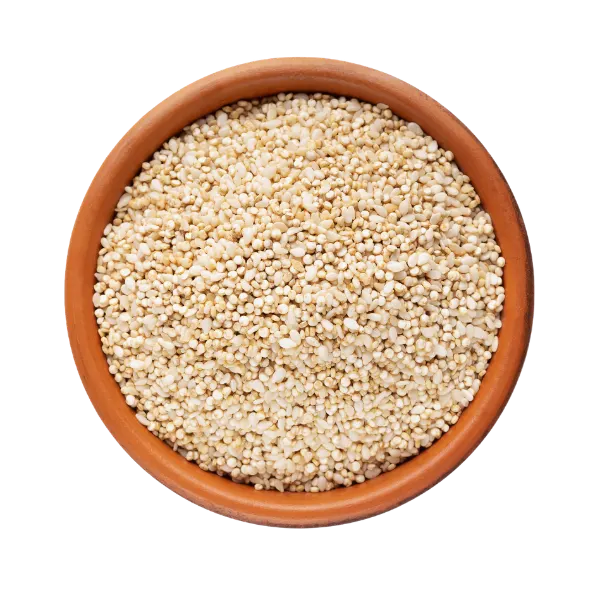
Amaranth scores a 0 out of 3 on the SIGHI Food Compatibility List, placing it in the Safe category.
Amaranth & Histamine, what the evidence says
Amaranth itself isn't considered high in histamine and is generally regarded as a low-risk food for people managing histamine intolerance. That puts it in a different category from grains like rye or wheat, which are more likely to raise concerns for some people.
Where amaranth does raise a separate question is oxalate. A study measuring 30 grain amaranth varieties found an average of about 229 milligrams of oxalate per 100 grams, with values ranging from 178 to 278 milligrams. That's a meaningful amount, but most of it exists in a form the body doesn't absorb well, and the same study noted that amaranth's own calcium and magnesium content may further limit how much gets taken up. The researchers said this would need to be confirmed with bioavailability testing, and a later animal study looking at calcium absorption specifically came to a similar conclusion.
Oxalate and histamine intolerance sometimes get linked together in online discussions, with the idea being that oxalate can trigger the same mast cells responsible for releasing histamine. Looking for a peer-reviewed study establishing that mechanism directly, we didn't find one. That doesn't mean the reports aren't real for the people experiencing them, but it does mean the biological explanation isn't settled the way it is for, say, aged cheese and histamine.
The one digestive issue reported with amaranth is diarrhea in some people. Amaranth is high in fiber, which is a more likely explanation, especially for anyone eating a larger portion than their gut is used to.
Does preparation change the risk?
Amaranth's biggest variable isn't freshness or ripening. Portion size and how it's stored after cooking matter more than the type of preparation.
| Form | Risk Level | Notes |
|---|---|---|
| Freshly cooked, moderate portion | Low | Oxalate exposure stays modest, and most of it is in a form the body absorbs poorly |
| Amaranth flour in baked goods | Low | Works well mixed with other gluten-free flours in typical amounts |
| Popped or puffed amaranth | Low | Same grain, just heat-processed; doesn't add histamine concerns |
| Large or frequent portions | Moderate | Cumulative oxalate intake may matter more than any single meal |
| Leftover cooked amaranth, stored several days | Moderate | Like other cooked grains, eating it within a day or two of refrigeration is the more cautious choice |
Note: Risk levels are based on clinical observations and patient reports, not standardized histamine measurements. Individual tolerance varies.
A food score is a reference, not a verdict.
Histamine intolerance is highly individual. A food that triggers symptoms in one person may be tolerated by another, even within the same category.
Strict elimination may help reduce symptoms initially, but long-term progress often depends on gradual reintroduction and pattern recognition. The goal is not to remove more foods over time, but to understand your personal tolerance and expand your diet when possible.
Tracking symptoms, portions, and context such as stress or timing can provide insights that generalized food lists cannot. This is where informed decisions replace fear-based restriction.
How to test your tolerance
 Watch your portion size.
Since oxalate, not histamine, is amaranth's main consideration, keeping portions moderate is more useful than avoiding the grain outright.
 Vary your grains.
Rotating amaranth with rice, quinoa, or millet spreads out oxalate intake instead of concentrating it in one staple.
 Store leftovers promptly.
Refrigerate cooked amaranth soon after cooking and eat it within a day or two, similar to how you'd treat rice.
 Cook it fully.
Cooking doesn't reduce total oxalate content, but many people find amaranth easier to digest when it's fully cooked rather than undercooked.
 Ease in gradually.
If you're not used to high-fiber foods, amaranth's fiber content can cause loose stools when you increase intake too quickly. Start with small servings.
 Track your response.
Note your portion size and how you feel afterward in MyHistaMap. Amaranth's effects, if any, are more likely tied to fiber or oxalate load than to histamine.
Common questions about Amaranth and histamine
Is amaranth high in histamine?
No. Amaranth itself isn't considered high in histamine and is generally regarded as a low-risk food for people managing histamine intolerance.
Why is oxalate mentioned if amaranth isn't high in histamine?
Amaranth naturally contains a meaningful amount of oxalate, a separate compound from histamine. Most of it exists in a form your body doesn't absorb well, though large or frequent portions could still add up.
Can I eat amaranth if I have histamine intolerance?
Most people tolerate it well, since amaranth isn't known for being high in histamine or for directly promoting histamine release. As with any food, paying attention to your own portion size and response is still worthwhile.
Why does amaranth cause diarrhea for some people?
This is more likely related to its high fiber content than to histamine. Introducing it gradually, especially if you're not used to high-fiber foods, can help.
Some people find these options helpful





Supplements are optional tools, not a solution. Personal tracking and identifying your individual triggers remains the priority.
Where this information comes from
At MyHistaMap we curate information from peer reviewed research and recognized medical sources. This guide is a reference tool, not a medical prescription. Always track your own reactions and consult your healthcare provider.
References
- SIGHI (Swiss Interest Group Histamine Intolerance) Food Compatibility List: rates amaranth (the pseudo-grain, not to be confused with the E123 azo dye of the same name) as well tolerated, with a note that it may cause diarrhea in some cases. This is the source for amaranth's low-risk classification referenced on this page.
- Gélinas & Seguin, Oxalate in Grain Amaranth, Journal of Agricultural and Food Chemistry, 2007: measured an average of 229 mg oxalate per 100g across 30 grain amaranth genotypes (range 178 to 278 mg/100g), with about 80% in insoluble form. The source for the oxalate figures on this page.
- Chávez-Jáuregui et al., Calcium Bioavailability of Raw and Extruded Amaranth Grains, Ciência e Tecnologia de Alimentos, 2010: an animal study finding that most oxalate in amaranth seed is insoluble and may have little effect on calcium absorption, supporting the low-absorbability point made by Gélinas and Seguin.
- The claim that dietary oxalate acts as a histamine liberator by triggering mast cells is widely repeated across histamine intolerance and wellness sources, but we were not able to locate a peer-reviewed study establishing this mechanism directly in humans. The medical explanation on this page has been worded to reflect that uncertainty.