This content is for informational purposes only and does not constitute medical advice. Always consult a qualified healthcare provider before making dietary changes. Histamine tolerance is highly individual.
This information applies to histamine intolerance, DAO deficiency, and MCAS only. If you have a confirmed food allergy, this content does not apply to you. Food allergies involve the immune system and can be life-threatening. Please consult your allergist.
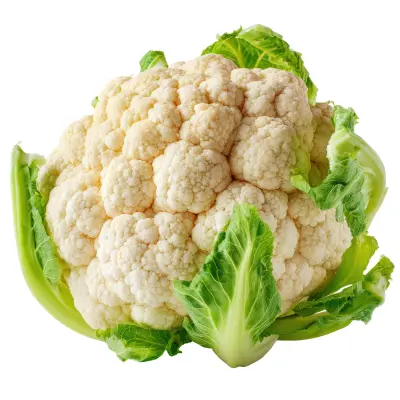
Is Cauliflower a trigger for histamine intolerance?
Cauliflower scores a 0 out of 3 on the SIGHI Food Compatibility List, placing it in the Safe category.
Cauliflower & Histamine, what the evidence says
Cauliflower isn't associated with meaningful histamine levels, regardless of whether it's white, orange, purple, or green. The different colors come from natural pigments, not differences in histamine content.
Gas and bloating are a separate issue from histamine. Cauliflower has long been associated with mannitol, a poorly absorbed sugar alcohol that can ferment in the gut, though more recent retesting by Monash University's FODMAP research team found lower FODMAP content in white cauliflower than earlier tests showed. The research on this is still being updated, so it's worth being mindful of portion size rather than assuming cauliflower is entirely free of this consideration. Monash also notes that white cauliflower can still cause gas through mechanisms unrelated to FODMAPs, linked to the way cruciferous vegetables interact with certain gut bacteria. Either way, if cauliflower leaves you bloated, this is a digestive pattern rather than a histamine reaction.
Orange cauliflower comes from a naturally occurring mutation, first discovered in a Canadian field in 1970, that causes beta-carotene to accumulate in the curd. As a result, it contains at least 25 times more beta-carotene than white cauliflower. Purple cauliflower gets its color from anthocyanins, the same family of pigments found in red cabbage and red wine. That's why it can shift toward blue-green when cooked in alkaline water, while acidic ingredients like lemon juice can help preserve its purple color.
Does preparation change the risk?
Portion size matters more here than color or histamine, though FODMAP research on cauliflower is still evolving.
| Form | Risk Level | Notes |
|---|---|---|
| Small portion, any color | Low | Not a histamine concern; smaller amounts are generally easier on digestion |
| Large portion | Moderate | More likely to cause gas or bloating from fermentable compounds, unrelated to histamine |
| Roasted / raw / steamed | Low | Preparation method doesn't meaningfully change the histamine consideration |
Note: Risk levels are based on clinical observations and patient reports, not standardized histamine measurements. Individual tolerance varies.
A food score is a reference, not a verdict.
Histamine intolerance is highly individual. A food that triggers symptoms in one person may be tolerated by another, even within the same category.
Strict elimination may help reduce symptoms initially, but long-term progress often depends on gradual reintroduction and pattern recognition. The goal is not to remove more foods over time, but to understand your personal tolerance and expand your diet when possible.
Tracking symptoms, portions, and context such as stress or timing can provide insights that generalized food lists cannot. This is where informed decisions replace fear-based restriction.
How to test your tolerance
 Don't mistake gas for a histamine reaction.
Bloating after cauliflower is more likely a digestive pattern than a histamine one, whether from fermentable carbohydrates or other gut bacteria interactions.
 Watch portion size while the research settles.
FODMAP testing on cauliflower has changed with retesting. A smaller portion is a reasonable way to test your own tolerance in the meantime.
 Color varieties share the same histamine profile.
White, orange, purple, and green cauliflower all carry the same low histamine profile. The color comes from pigment differences, not a different underlying compound.
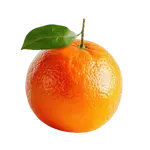 Add lemon juice to preserve purple color when cooking.
Purple cauliflower's anthocyanins are pH-sensitive and can turn blue-green in alkaline conditions. A splash of acid helps it stay purple.
 Track your response if trying it new.
Even well-tolerated vegetables are worth a brief note in MyHistaMap when first introduced.
Common questions about Cauliflower and histamine
Is cauliflower high in histamine?
No, cauliflower isn't linked to meaningful histamine levels, regardless of color variety.
Why does cauliflower give me gas?
Cauliflower has long been linked to mannitol, a sugar alcohol that ferments in the gut, though recent research has found lower FODMAP content than earlier tests showed. It can also cause gas through a separate mechanism tied to how cruciferous vegetables interact with gut bacteria. Either way, this is a digestive issue, not a histamine reaction.
Is purple or orange cauliflower dyed?
No, these colors come from real genetic mutations: anthocyanin pigments for purple, and a beta-carotene-trapping mutation, first found in 1970, for orange.
Why did my purple cauliflower turn blue-green when I cooked it?
Anthocyanin pigments are sensitive to pH and shift color in alkaline conditions. Cooking with an acidic ingredient like lemon juice helps preserve the purple color. This is a cosmetic effect, not a safety concern.
Some people find these options helpful
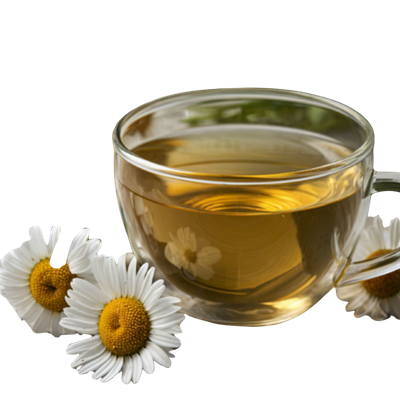

Supplements are optional tools, not a solution. Personal tracking and identifying your individual triggers remains the priority.
Where this information comes from
At MyHistaMap we curate information from peer reviewed research and recognized medical sources. This guide is a reference tool, not a medical prescription. Always track your own reactions and consult your healthcare provider.
References
- Orange Cauliflower Gene Eyed as Nutrition Booster, USDA Agricultural Research Service: confirms the Or gene originates from an orange cauliflower plant found in a Canadian field, studied by USDA and Cornell University researchers. The source for this page's discovery history.
- Impact of Mild Oven Cooking Treatments on Carotenoids and Tocopherols of Cheddar and Depurple Cauliflower, Antioxidants, 2021: confirms the Or gene mutation results in 25-fold higher beta-carotene levels compared with white cauliflower. The source for this page's beta-carotene figure.
- Use of the Cauliflower Or Gene for Improving Crop Nutritional Quality, ScienceDirect: confirms the Or gene mutation traps beta-carotene in tissues that don't normally accumulate it, such as the curd.
- Reintroduction Update, Monash FODMAP, 2025: reports that retesting found the FODMAP content of white cauliflower differed from prior lab tests, removing it from the Reintroduction food list, while noting it may still cause gas through non-FODMAP mechanisms linked to cruciferous vegetables' effect on gut bacteria. The source for this page's updated FODMAP section.