This content is for informational purposes only and does not constitute medical advice. Always consult a qualified healthcare provider before making dietary changes. Histamine tolerance is highly individual.
This information applies to histamine intolerance, DAO deficiency, and MCAS only. If you have a confirmed food allergy, this content does not apply to you. Food allergies involve the immune system and can be life-threatening. Please consult your allergist.
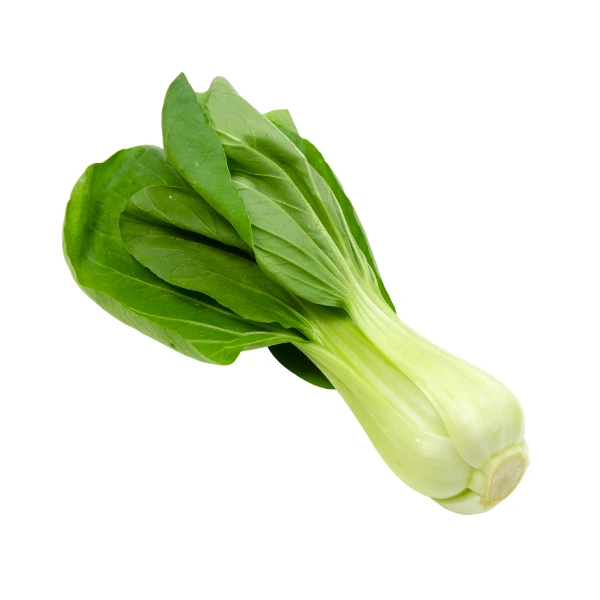
Is Bok Choy a trigger for histamine intolerance?
Bok Choy scores a 0 out of 3 on the SIGHI Food Compatibility List, placing it in the Safe category.
Bok Choy & Histamine, what the evidence says
Bok choy is a cruciferous vegetable with a few considerations beyond histamine. It contains progoitrin, which can break down into goitrin, a compound that can interfere with the thyroid's ability to take up iodine. This is known as a goitrogenic effect, and it is a real, documented phenomenon, but the amount involved in the most serious cases is far beyond normal food intake. A case report in the New England Journal of Medicine described an 88-year-old woman who developed myxedema coma, a severe complication of hypothyroidism, after eating roughly 1 to 1.5 kg (about 2 to 3 pounds) of raw bok choy daily for several months.
For nearly everyone, this isn't a realistic scenario. Typical servings of cooked bok choy are not considered a meaningful thyroid concern, and cooking makes a difference because heat deactivates the enzyme involved in converting progoitrin into goitrin. Steaming for several minutes can substantially reduce goitrogenic activity. Adequate iodine intake also reduces the impact of goitrogens. This is mainly relevant for people with existing thyroid conditions who regularly consume very large amounts of raw cruciferous vegetables, rather than for typical bok choy consumption.
Bok choy is also worth watching if you track FODMAPs because of its sorbitol content. A typical one-cup serving stays within a low-FODMAP range, but sorbitol adds up as the portion grows, moving into a moderate range around one and a half small bulbs, and higher still with larger servings. This is unrelated to histamine, but portion size matters here more than it does for many other vegetables.
As for histamine, bok choy isn't associated with meaningful histamine content, so it is generally considered a low-histamine food. That doesn't mean it is equally well tolerated by everyone, however, since the FODMAP and thyroid-related considerations above are separate from histamine.
Does preparation change the risk?
Cooking method and portion size matter here, more for the thyroid and FODMAP considerations than for histamine.
| Form | Risk Level | Notes |
|---|---|---|
| Cooked (steamed, stir-fried), typical portion | Low | Not a histamine concern; cooking substantially reduces goitrogenic compounds and portion stays within a low-FODMAP range |
| Raw, typical serving (about 1 cup) | Low | Same histamine profile; normal amounts pose essentially no thyroid concern and stay low-FODMAP |
| Larger raw or cooked portions (1.5+ small bulbs) | Moderate | Sorbitol content moves into a moderate FODMAP range as portion size increases |
| Very large, sustained raw intake | High | Only relevant at extreme, sustained quantities, particularly for those with existing thyroid conditions |
Note: Risk levels are based on clinical observations and patient reports, not standardized histamine measurements. Individual tolerance varies.
A food score is a reference, not a verdict.
Histamine intolerance is highly individual. A food that triggers symptoms in one person may be tolerated by another, even within the same category.
Strict elimination may help reduce symptoms initially, but long-term progress often depends on gradual reintroduction and pattern recognition. The goal is not to remove more foods over time, but to understand your personal tolerance and expand your diet when possible.
Tracking symptoms, portions, and context such as stress or timing can provide insights that generalized food lists cannot. This is where informed decisions replace fear-based restriction.
How to test your tolerance
 Cooking reduces goitrogens significantly.
Steaming bok choy for several minutes can reduce goitrogenic compounds substantially, if this is a personal concern for you.
 Adequate iodine intake matters.
Goitrogens have less impact on thyroid function when iodine intake is sufficient, which most people get from iodized salt.
 Watch portion size if you track FODMAPs.
Sorbitol content stays low around one cup, but adds up as the serving grows past about one and a half small bulbs.
- Keep perspective on quantity for the thyroid consideration.
The documented thyroid case involved months of eating multiple pounds of raw bok choy every day. That's a completely different scale than a normal serving.
 Check with a doctor if you have thyroid concerns.
If you have hypothyroidism, discuss cruciferous vegetable intake with your doctor rather than avoiding them outright, since normal cooked amounts are generally considered safe.
 Track your response if trying it new.
Even well-tolerated vegetables are worth a brief note in MyHistaMap when first introduced.
Common questions about Bok Choy and histamine
Can bok choy really affect my thyroid?
At extreme, sustained raw intake, yes. The documented case involved months of eating several pounds of raw bok choy a day, nowhere close to typical eating. Normal serving sizes, especially cooked, pose essentially no risk.
Does cooking bok choy remove the thyroid concern?
Cooking substantially reduces the goitrogenic compounds responsible, since the enzyme that activates them is deactivated by heat.
Should I avoid bok choy if I have hypothyroidism?
Most people with hypothyroidism can safely eat moderate amounts of cooked bok choy. It's worth discussing your specific situation with a doctor rather than avoiding it outright.
Is bok choy high in FODMAPs?
It depends on the portion. A typical one-cup serving stays low-FODMAP, but its sorbitol content moves into a moderate range around one and a half small bulbs, and higher with larger servings.
Is bok choy high in histamine?
No, bok choy isn't linked to meaningful histamine levels. That said, its thyroid and FODMAP considerations are separate from histamine and worth knowing about on their own.
Some people find these options helpful
Supplements are optional tools, not a solution. Personal tracking and identifying your individual triggers remains the priority.
Where this information comes from
At MyHistaMap we curate information from peer reviewed research and recognized medical sources. This guide is a reference tool, not a medical prescription. Always track your own reactions and consult your healthcare provider.
References
- Chu & Seltzer, Myxedema Coma Induced by Ingestion of Raw Bok Choy, New England Journal of Medicine, 2010: case report of an 88-year-old woman who developed myxedema coma after eating an estimated 1.0 to 1.5 kg of raw bok choy daily for several months. The source for this page's thyroid/goitrogen section.
- Monash University FODMAP Diet App: lab testing sets the low-FODMAP serving for bok choy at 75 grams (about 1 cup), based on sorbitol content, with levels rising to a moderate range around 112 grams (about 1.5 small bulbs). The source for this page's FODMAP serving size figures.