This content is for informational purposes only and does not constitute medical advice. Always consult a qualified healthcare provider before making dietary changes. Histamine tolerance is highly individual.
This information applies to histamine intolerance, DAO deficiency, and MCAS only. If you have a confirmed food allergy, this content does not apply to you. Food allergies involve the immune system and can be life-threatening. Please consult your allergist.
Is Cabbage (excepting cauliflower and kohlrabi) a trigger for histamine intolerance?
Cabbage (excepting cauliflower and kohlrabi) scores a 0 out of 3 on the SIGHI Food Compatibility List, placing it in the Safe category.
Cabbage (excepting cauliflower and kohlrabi) & Histamine, what the evidence says
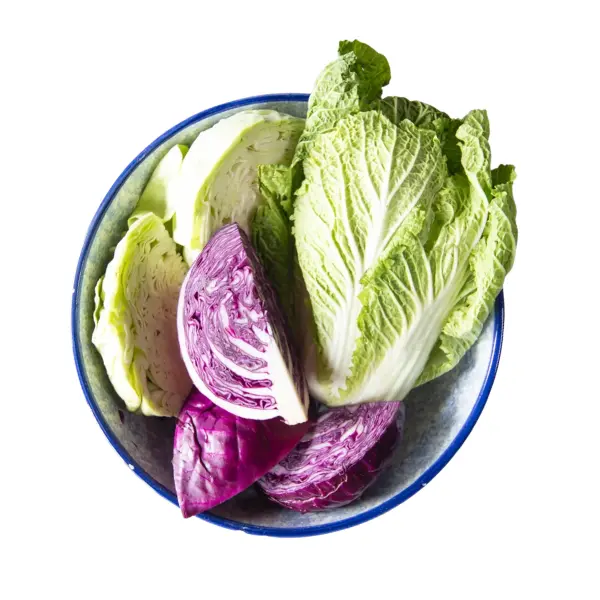
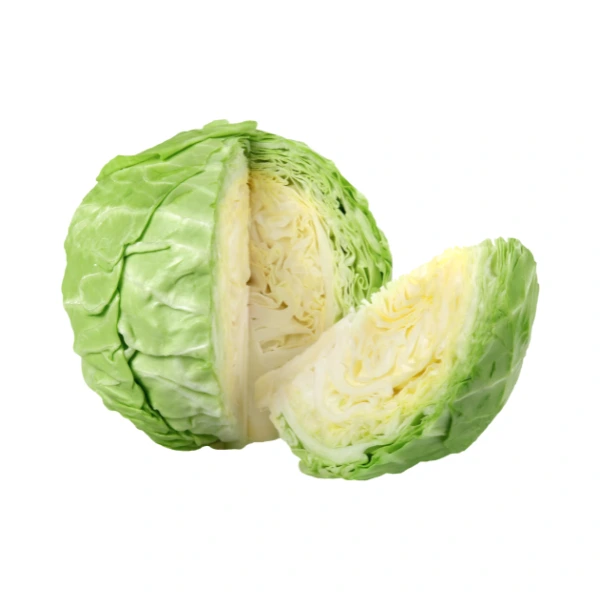
This page covers cabbage varieties without a dedicated page of their own, most notably savoy cabbage, along with other minor cabbage varieties. Cauliflower and kohlrabi are covered separately, as are green and white cabbage, red cabbage, and napa cabbage, each of which has distinct enough characteristics to warrant its own page.
These cabbage varieties are generally considered low in histamine, although available reference lists don't all rate every variety the same way. Fresh cabbage isn't associated with the fermentation-related amine buildup found in foods like sauerkraut, which is covered separately and has a very different histamine profile due to fermentation.
Like other Brassica vegetables, these cabbages contain glucosinolates, sulfur-containing compounds that are released and broken down when the plant tissue is chopped or chewed. These compounds contribute to the characteristic flavor of cruciferous vegetables, and the exact glucosinolate profile varies between varieties. Savoy cabbage, specifically, is known for its softer, crinkled leaves and milder flavor compared with denser green cabbage, and it predominantly contains two specific glucosinolates, glucoiberin and sinigrin. Research measuring glucosinolate levels across cabbage varieties has produced conflicting results on how savoy's total glucosinolate content compares to other cabbages, so no clear ranking can be drawn from the available studies.
Does preparation change the risk?
Fresh versus fermented is the main distinction here, more than variety or preparation method.
| Form | Risk Level | Notes |
|---|---|---|
| Cooked (savoy or other minor variety) | Low | Standard preparation; not a histamine concern |
| Raw | Low | Same histamine profile as cooked |
| Fermented (sauerkraut) | High | Fermentation changes the histamine picture significantly; covered on its own page |
Note: Risk levels are based on clinical observations and patient reports, not standardized histamine measurements. Individual tolerance varies.
A food score is a reference, not a verdict.
Histamine intolerance is highly individual. A food that triggers symptoms in one person may be tolerated by another, even within the same category.
Strict elimination may help reduce symptoms initially, but long-term progress often depends on gradual reintroduction and pattern recognition. The goal is not to remove more foods over time, but to understand your personal tolerance and expand your diet when possible.
Tracking symptoms, portions, and context such as stress or timing can provide insights that generalized food lists cannot. This is where informed decisions replace fear-based restriction.
How to test your tolerance
 Fresh cabbage is consistently low histamine.
Whether raw or cooked, savoy and other minor cabbage varieties aren't a histamine concern.
 Treat sauerkraut separately.
Fermentation changes cabbage's histamine profile substantially. Don't assume fermented cabbage products share fresh cabbage's low-risk status.
 Check which cabbage you actually mean.
If you're looking for green/white cabbage, red cabbage, or napa cabbage specifically, each has its own dedicated page with more specific detail.
 Track your response if trying it new.
Even well-tolerated vegetables are worth a brief note in MyHistaMap when first introduced.
Common questions about Cabbage (excepting cauliflower and kohlrabi) and histamine
Is savoy cabbage high in histamine?
No, savoy and other minor cabbage varieties aren't linked to meaningful histamine levels, whether raw or cooked.
What makes savoy cabbage different from other cabbages?
Savoy has softer, crinkled leaves and a milder flavor than denser green cabbage. It predominantly contains two glucosinolates, glucoiberin and sinigrin, though studies disagree on how its total glucosinolate content compares to other cabbage varieties.
Is sauerkraut the same as fresh cabbage for histamine purposes?
No. Fermentation significantly changes cabbage's histamine profile, so sauerkraut needs to be considered separately from fresh cabbage.
Why doesn't this page cover red cabbage or napa cabbage?
Both have distinct enough characteristics, red cabbage's anthocyanin pigments and napa cabbage's different species, to warrant their own dedicated pages.
Some people find these options helpful

Supplements are optional tools, not a solution. Personal tracking and identifying your individual triggers remains the priority.
Where this information comes from
At MyHistaMap we curate information from peer reviewed research and recognized medical sources. This guide is a reference tool, not a medical prescription. Always track your own reactions and consult your healthcare provider.
References
- SIGHI (Swiss Interest Group Histamine Intolerance) Food Compatibility List: lists cabbages, cabbage varieties (except Brussels sprouts, kohlrabi) as compatible. The source for this page's histamine classification.
- Variation and Distribution of Glucosinolates in 42 Cultivars of Brassica oleracea Vegetable Crops: found savoy cabbage predominantly contains glucoiberin and sinigrin among its glucosinolates. The source for this page's specific glucosinolate compounds in savoy cabbage.
- Health- and Sensory-Related Phytochemicals and Agronomic Characteristics of 26 Head Cabbage Cultivars, ACS Food Science & Technology: found savoy cabbage highest in total glucosinolate content among white, red, and savoy cultivars tested across multiple harvest seasons, contrasting with earlier findings. The source for this page's note on conflicting glucosinolate research.