This content is for informational purposes only and does not constitute medical advice. Always consult a qualified healthcare provider before making dietary changes. Histamine tolerance is highly individual.
This information applies to histamine intolerance, DAO deficiency, and MCAS only. If you have a confirmed food allergy, this content does not apply to you. Food allergies involve the immune system and can be life-threatening. Please consult your allergist.
Is Kohlrabi a trigger for histamine intolerance?
Kohlrabi scores a 1 out of 3 on the SIGHI Food Compatibility List, placing it in the Low category.
Kohlrabi & Histamine, what the evidence says
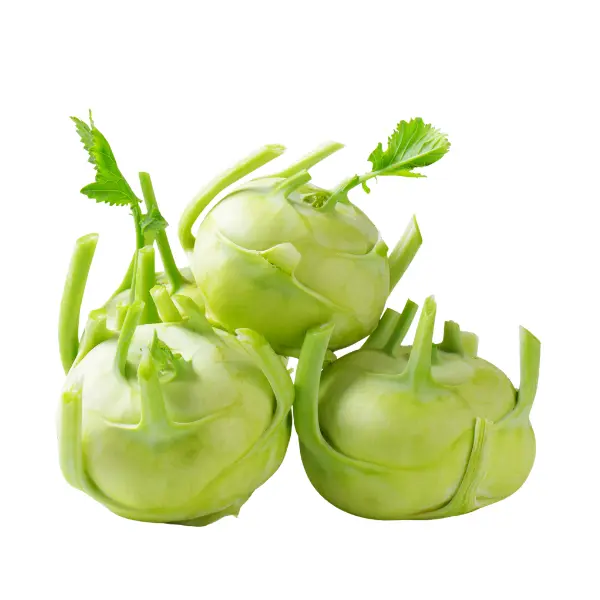
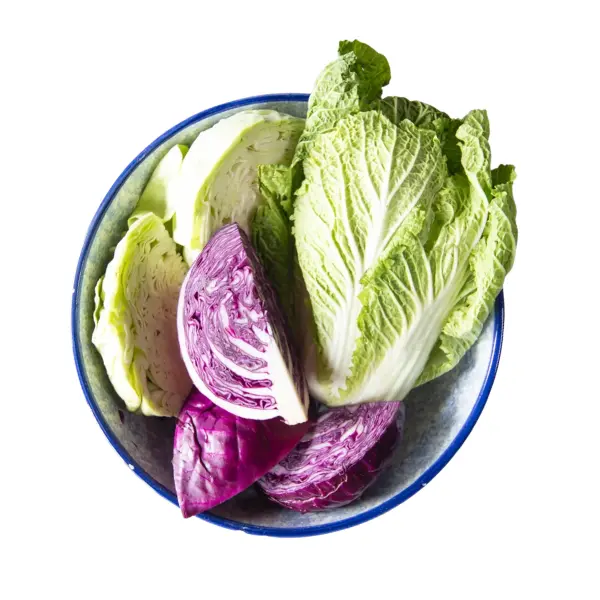
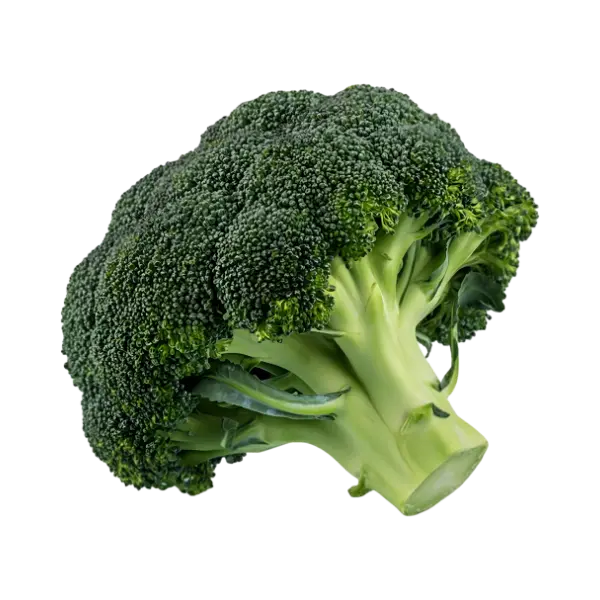
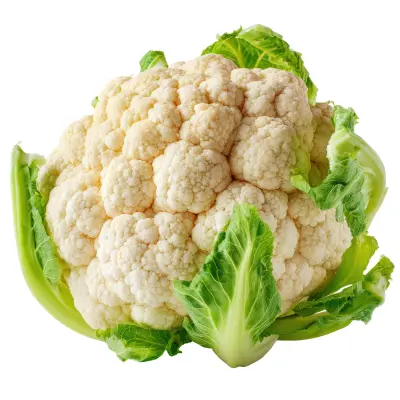
Kohlrabi is not associated with meaningful histamine content, which makes it a favorable choice on a low-histamine approach. Despite its common name, German turnip, and its round, root-like appearance, kohlrabi is not a root vegetable and is not related to turnips. It is the same species as cabbage, broccoli, cauliflower, and Brussels sprouts (Brassica oleracea), and the edible bulb is actually a swollen stem that grows just above the soil.
Nutritionally, kohlrabi is a particularly good source of vitamin C. Like other members of this plant family, it also contains glucosinolates and isothiocyanates, compounds studied for antioxidant activity, though this is a general nutritional consideration rather than something specific to histamine.
Does preparation change the risk?
Kohlrabi's histamine profile is relatively consistent across preparation.
| Form | Risk Level | Notes |
|---|---|---|
| Raw, sliced | Low | Preserves the highest vitamin C content, which declines somewhat with cooking. |
| Steamed / cooked | Low | Same histamine profile; a common preparation method. |
| Leaves and stems | Low | The leafy greens are edible too and can be prepared similarly to other cooking greens. |
Note: Risk levels are based on clinical observations and patient reports, not standardized histamine measurements. Individual tolerance varies.
A food score is a reference, not a verdict.
Histamine intolerance is highly individual. A food that triggers symptoms in one person may be tolerated by another, even within the same category.
Strict elimination may help reduce symptoms initially, but long-term progress often depends on gradual reintroduction and pattern recognition. The goal is not to remove more foods over time, but to understand your personal tolerance and expand your diet when possible.
Tracking symptoms, portions, and context such as stress or timing can provide insights that generalized food lists cannot. This is where informed decisions replace fear-based restriction.
How to test your tolerance
 It's not a root vegetable.
Despite looking and being named like a turnip, kohlrabi is a swollen stem from the same species as cabbage and broccoli, not a root, and it's unrelated to actual turnips.
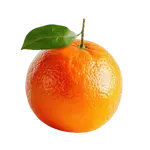 Eat it raw to maximize vitamin C.
Kohlrabi is notably rich in vitamin C, and like most vitamin C-containing vegetables, some of it is lost during cooking.
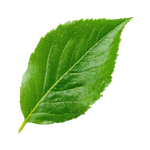 Don't skip the leaves.
Kohlrabi leaves are edible and can be prepared similarly to other leafy cooking greens, rather than discarded.
 Track your response if trying it new.
Even well-tolerated vegetables are worth a brief note in the MyHistaMap app when first introduced.
Common questions about Kohlrabi and histamine
Is kohlrabi high in histamine?
No. It is not associated with meaningful histamine content.
Is kohlrabi related to turnips?
No, despite the name and appearance. Kohlrabi is the same species as cabbage, broccoli, and cauliflower, while turnips are a different species entirely.
Why is kohlrabi's vitamin C content notable?
Some analyses show a serving of kohlrabi provides more vitamin C than an equivalent serving of orange, which is unusual for a vegetable in this family.
Can I eat the kohlrabi leaves, or just the bulb?
The leaves are edible and can be cooked similarly to other leafy greens - they're often discarded unnecessarily.
Some people find these options helpful
Supplements are optional tools, not a solution. Personal tracking and identifying your individual triggers remains the priority.
Where this information comes from
At MyHistaMap we curate information from peer reviewed research and recognized medical sources. This guide is a reference tool, not a medical prescription. Always track your own reactions and consult your healthcare provider.
References
- Complete Chloroplast Genome Sequence Structure and Phylogenetic Analysis of Kohlrabi (Brassica oleracea var. gongylodes L.), Genes (MDPI), 2024: kohlrabi is an important swollen-stem cabbage variety of Brassica oleracea, the same species as cabbage, broccoli, and cauliflower, with its chloroplast genome closely related to that of cauliflower.
- Health Benefits of Eating Kohlrabi, HealWithFood.org, citing USDA Nutrition Facts data: an equal-weight serving of kohlrabi provides about 29% of the Daily Value for vitamin C, compared to 25% for fresh oranges. The source for this page's FAQ note comparing kohlrabi's vitamin C content to orange.