This content is for informational purposes only and does not constitute medical advice. Always consult a qualified healthcare provider before making dietary changes. Histamine tolerance is highly individual.
This information applies to histamine intolerance, DAO deficiency, and MCAS only. If you have a confirmed food allergy, this content does not apply to you. Food allergies involve the immune system and can be life-threatening. Please consult your allergist.
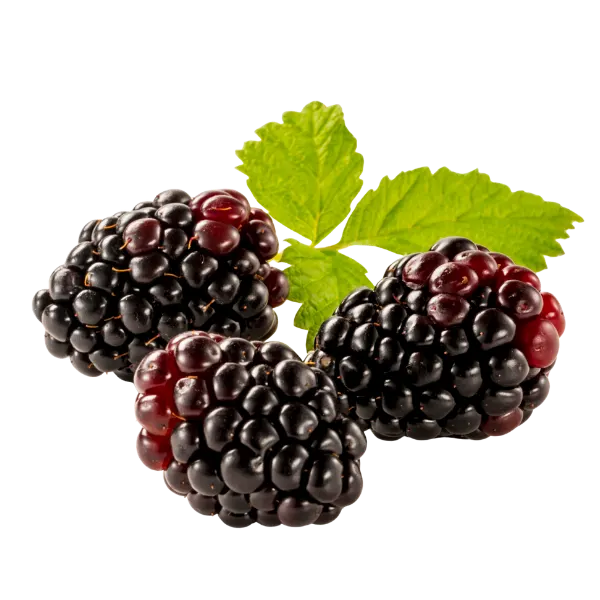
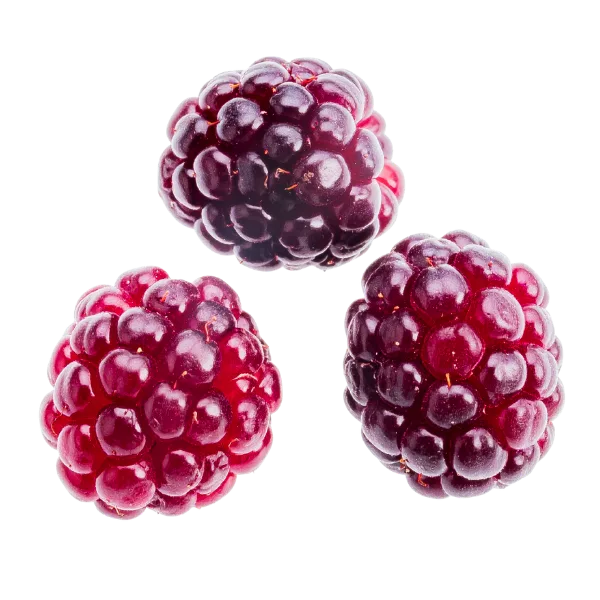
Is Boysenberry a trigger for histamine intolerance?
Boysenberry's histamine classification isn't conclusive; available reference sources don't agree or don't have enough data to assign a confident score.
Boysenberry & Histamine, what the evidence says
There isn't enough research to establish a clear histamine profile for boysenberry.
Boysenberry has also been measured for salicylates, a separate compound from histamine that some people are also sensitive to. In a 1985 analysis of 333 foods, one sample of canned boysenberry contained 2.04 mg per 100 g of salicylate. Because this was a single canned sample, it cannot be assumed to represent fresh boysenberries or all varieties.
Like many berries, boysenberry contains anthocyanins and ellagic acid. It is also highly perishable, with its soft, juicy structure making it prone to damage and spoilage after picking. Keeping it fresh and avoiding berries that are already soft, leaking, or moldy is therefore a sensible precaution, particularly when you're trying to determine your individual tolerance.
Does preparation change the risk?
Because boysenberry lacks a clear histamine classification, freshness is a sensible general guide rather than a firmly established risk factor.
| Form | Risk Level | Notes |
|---|---|---|
| Fresh, firm boysenberries | Low | No established histamine concern, though overall data is limited |
| Frozen boysenberries | Low | Freezing shortly after picking limits time for spoilage |
| Boysenberries stored several days or showing soft spots | Moderate | This soft, juicy fruit spoils quickly, and freshness is a reasonable general precaution |
| Canned boysenberries in syrup | Low | Not a histamine concern itself, though it adds significant sugar compared to fresh fruit |
Note: Risk levels are based on clinical observations and patient reports, not standardized histamine measurements. Individual tolerance varies.
A food score is a reference, not a verdict.
Histamine intolerance is highly individual. A food that triggers symptoms in one person may be tolerated by another, even within the same category.
Strict elimination may help reduce symptoms initially, but long-term progress often depends on gradual reintroduction and pattern recognition. The goal is not to remove more foods over time, but to understand your personal tolerance and expand your diet when possible.
Tracking symptoms, portions, and context such as stress or timing can provide insights that generalized food lists cannot. This is where informed decisions replace fear-based restriction.
How to test your tolerance
 Treat it as a new food to test.
Since boysenberry doesn't have an established histamine profile, introduce it in a small amount first, as you would with any unfamiliar food.
 Inspect before eating.
Check for soft spots, leaking juice, or mold before eating a handful, since this fruit spoils quickly once picked.
 Freeze what you won't eat soon.
Freezing shortly after purchase limits how much time the fruit has to spoil.
 Go slowly if you're sensitive to salicylates.
There's very little salicylate data for boysenberry, so many people with salicylate sensitivity find it helpful to start with a small portion and see how they feel.
 Compare it to how you tolerate similar berries.
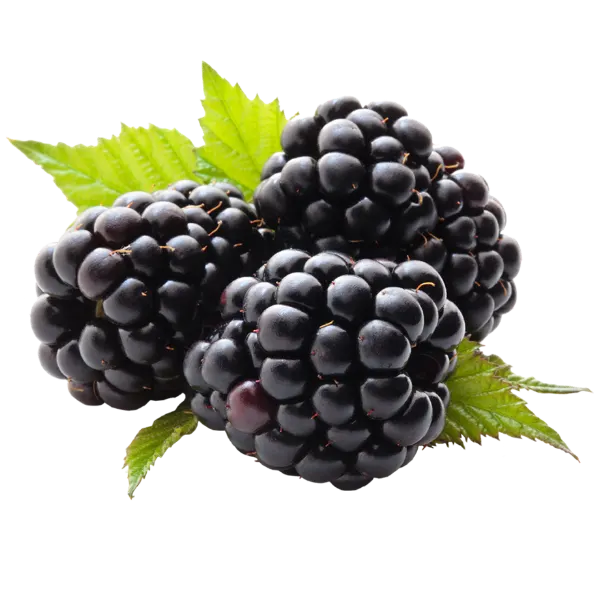
If you do well with blackberry or blackcurrant, boysenberry may be a reasonable next berry to try.
 Track it carefully.
Since there's no reliable classification to fall back on, logging your own response to boysenberry in MyHistaMap is especially useful here.
Common questions about Boysenberry and histamine
Is boysenberry high in histamine?
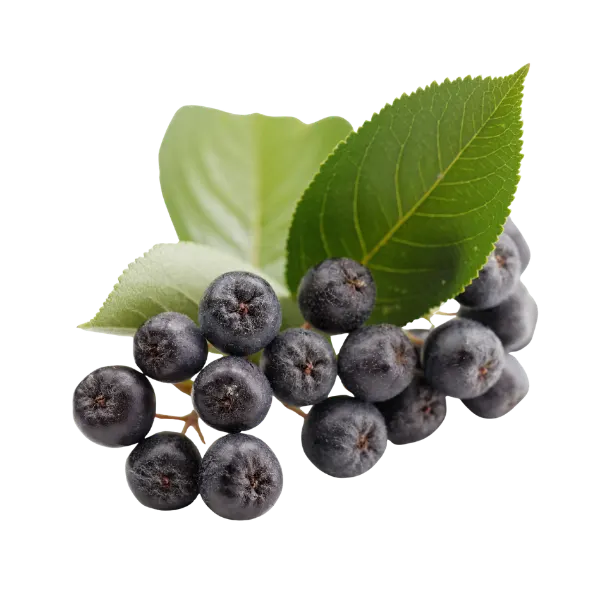
It isn't classified either way with much confidence. Boysenberry hasn't been studied enough to say clearly whether it's high, low, or a liberator, similar to loganberry and aronia.
Is boysenberry high in salicylates?
It's hard to say. The only published measurement comes from a single canned sample, which contained 2.04 mg per 100 g. That may not reflect fresh boysenberries or every variety.
Why does boysenberry spoil so quickly?
It's a soft, juicy hybrid berry, similar in structure to blackberry, which makes it prone to damage and spoilage soon after picking.
Should I try boysenberry if I have histamine intolerance?
It's reasonable to try in a small amount, the same way you'd introduce any new food, since there isn't strong evidence pointing to it being a common trigger.
Some people find these options helpful





Supplements are optional tools, not a solution. Personal tracking and identifying your individual triggers remains the priority.
Where this information comes from
At MyHistaMap we curate information from peer reviewed research and recognized medical sources. This guide is a reference tool, not a medical prescription. Always track your own reactions and consult your healthcare provider.
References
- SIGHI (Swiss Interest Group Histamine Intolerance) Food Compatibility List: lists boysenberry with insufficient or contradictory information rather than a specific rating. The source for this page's note that boysenberry lacks a clear classification.
- Swain et al., salicylate content measurements of common foods: in a 1985 analysis of 333 foods, report canned boysenberry at 2.04 mg of salicylate per 100 g. The source for this page's salicylate figure.