This content is for informational purposes only and does not constitute medical advice. Always consult a qualified healthcare provider before making dietary changes. Histamine tolerance is highly individual.
This information applies to histamine intolerance, DAO deficiency, and MCAS only. If you have a confirmed food allergy, this content does not apply to you. Food allergies involve the immune system and can be life-threatening. Please consult your allergist.
Is Loganberry a trigger for histamine intolerance?
Loganberry's histamine classification isn't conclusive; available reference sources don't agree or don't have enough data to assign a confident score.
Loganberry & Histamine, what the evidence says
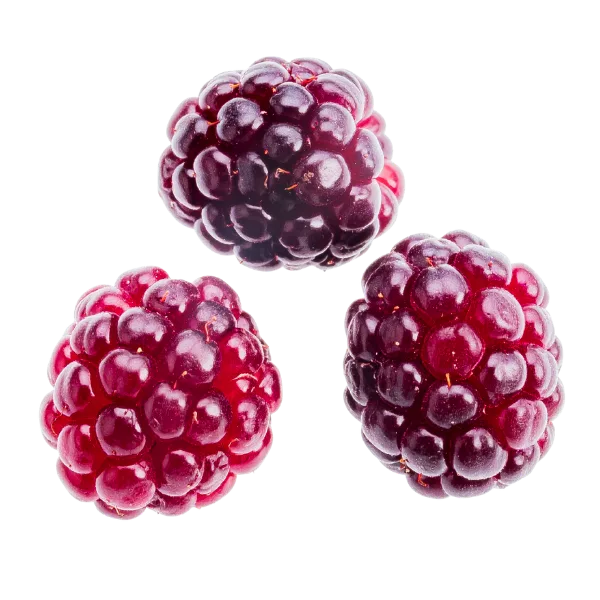
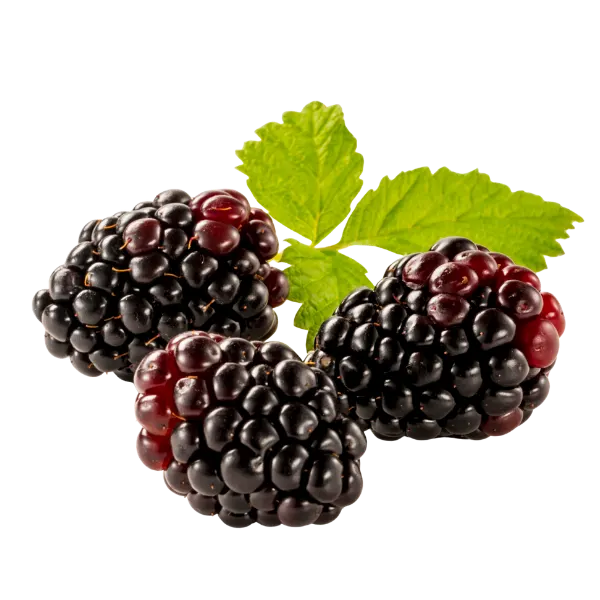
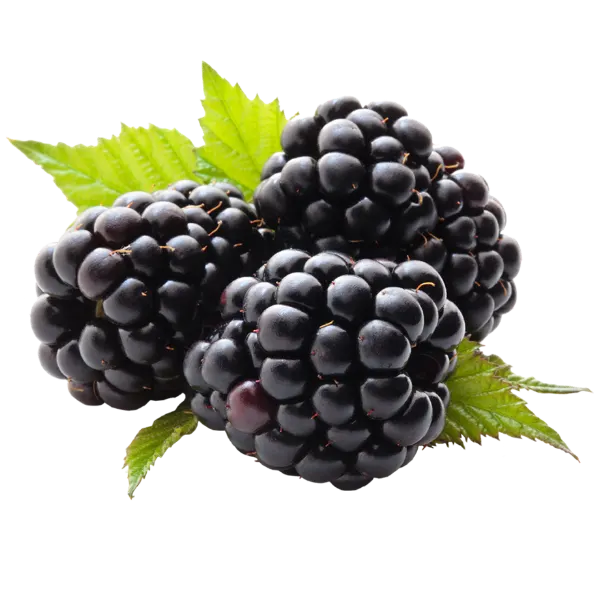
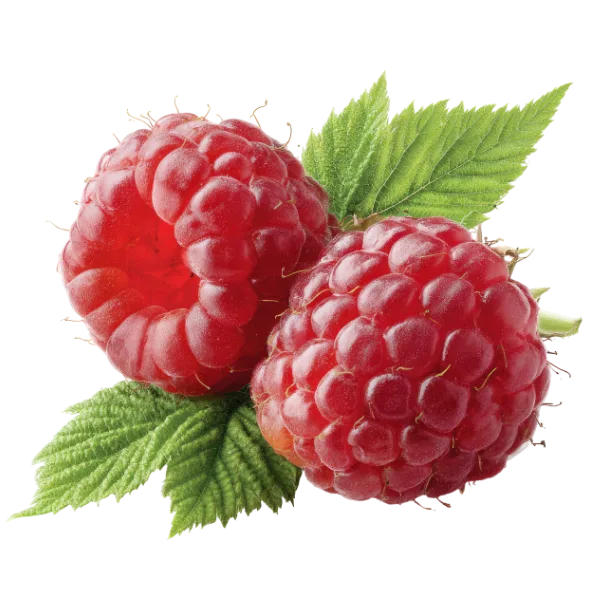
Loganberry is a hybrid of raspberry and blackberry that originated accidentally in California in the 1880s. It is also one of the parent fruits used to create boysenberry, discussed elsewhere on this site. Like boysenberry, loganberry doesn't have a clear histamine profile and belongs to a small group of berries for which there isn't enough consistent information to establish a specific rating.
Loganberry contains many of the same naturally occurring compounds found in its parent fruits, including ellagic acid, anthocyanins, and vitamin C. Its overall composition reflects characteristics of both raspberry and blackberry, although the exact amounts vary depending on the variety and growing conditions. None of these compounds has been studied specifically in relation to histamine intolerance in loganberry.
Given the lack of independent research on loganberry and histamine, treating it similarly to its two generally well-tolerated parent fruits, blackberry and raspberry, is a reasonable starting point. If you're testing your individual tolerance, introducing it in a modest amount is a sensible approach, just as with boysenberry.
Does preparation change the risk?
Since loganberry hasn't been studied independently, freshness and processing are reasonable general guides, similar to its parent fruits.
| Form | Risk Level | Notes |
|---|---|---|
| Fresh loganberries | Low | No established histamine concern; reasonable to approach like blackberry and raspberry |
| Frozen loganberries | Low | Freezing shortly after picking limits time for spoilage |
| Loganberry jam, syrup, or cordial | Low | Check for added ingredients, but the fruit itself isn't a concern |
| Loganberry wine or fermented products | Moderate | Fermentation generally raises histamine and other biogenic amines, as with its parent fruits |
Note: Risk levels are based on clinical observations and patient reports, not standardized histamine measurements. Individual tolerance varies.
A food score is a reference, not a verdict.
Histamine intolerance is highly individual. A food that triggers symptoms in one person may be tolerated by another, even within the same category.
Strict elimination may help reduce symptoms initially, but long-term progress often depends on gradual reintroduction and pattern recognition. The goal is not to remove more foods over time, but to understand your personal tolerance and expand your diet when possible.
Tracking symptoms, portions, and context such as stress or timing can provide insights that generalized food lists cannot. This is where informed decisions replace fear-based restriction.
How to test your tolerance
 Introduce it in a modest amount.
Since loganberry hasn't been studied independently, treat it as a new food to test, similar to how you'd approach boysenberry.
 Your tolerance for blackberry and raspberry is a helpful reference point.
If you do well with both parent fruits, loganberry is a reasonable next berry to try.
 Inspect before eating.
Like blackberry, this soft fruit is prone to mold and spoilage, so check for soft spots or off smells before eating a handful.
 Be cautious with fermented loganberry products.
Wine and other fermented loganberry products carry more uncertainty than the fresh fruit, jam, or syrup.
 Freeze extra loganberries.
Freezing shortly after buying is a simple way to keep this fruit at its best for later use.
 Track it separately from its parent fruits.
Even though loganberry is a reasonable analogy to blackberry and raspberry, log it as its own entry in MyHistaMap.
Common questions about Loganberry and histamine
Is loganberry high in histamine?
It hasn't been studied independently, but since it's a hybrid of blackberry and raspberry, both generally well tolerated, it's reasonable to approach loganberry similarly.
What is loganberry?
It's a hybrid fruit combining raspberry and blackberry, originating accidentally in California in the 1880s. It's also one of the parent fruits used to create boysenberry.
Is loganberry the same as boysenberry?
No, they're different fruits, though related. Loganberry is one of the parent fruits used to create boysenberry, which is a separate hybrid involving loganberry, blackberry, and raspberry.
Should I try loganberry if I have histamine intolerance?
It's reasonable to try in a modest amount, similar to how you'd approach its parent fruits, since there isn't evidence suggesting it's a distinct concern.
Some people find these options helpful





Supplements are optional tools, not a solution. Personal tracking and identifying your individual triggers remains the priority.
Where this information comes from
At MyHistaMap we curate information from peer reviewed research and recognized medical sources. This guide is a reference tool, not a medical prescription. Always track your own reactions and consult your healthcare provider.
References
- SIGHI (Swiss Interest Group Histamine Intolerance) Food Compatibility List: lists loganberry with insufficient or contradictory information rather than a specific rating, grouped with boysenberry and mulberry. The source for this page's note that loganberry lacks a clear classification.
- Loganberry composition sources describe it as rich in ellagic acid, anthocyanins, and vitamin C, reflecting its hybrid origin from raspberry and blackberry. The source for the composition information referenced on this page.