This content is for informational purposes only and does not constitute medical advice. Always consult a qualified healthcare provider before making dietary changes. Histamine tolerance is highly individual.
This information applies to histamine intolerance, DAO deficiency, and MCAS only. If you have a confirmed food allergy, this content does not apply to you. Food allergies involve the immune system and can be life-threatening. Please consult your allergist.
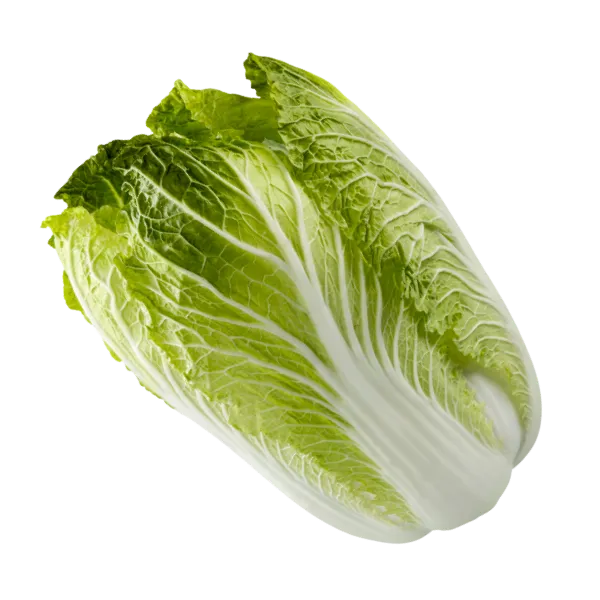
Is Napa cabbage a trigger for histamine intolerance?
Napa cabbage scores a 0 out of 3 on the SIGHI Food Compatibility List, placing it in the Safe category.
Napa cabbage & Histamine, what the evidence says
Napa cabbage isn't associated with meaningful histamine content, similar to other fresh cabbage varieties.
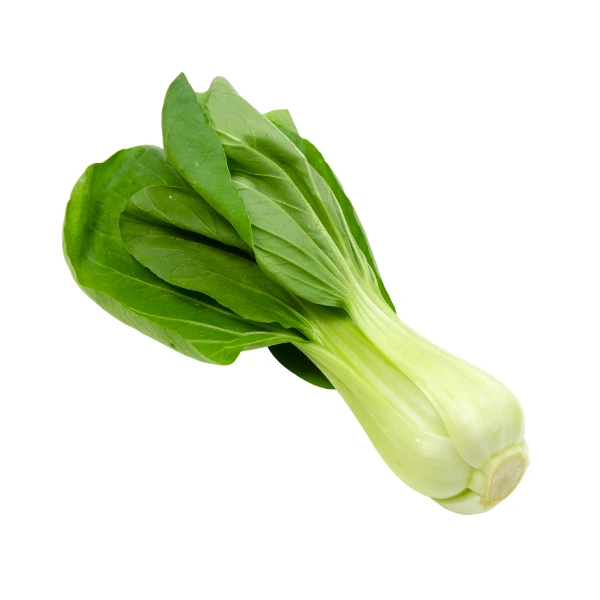
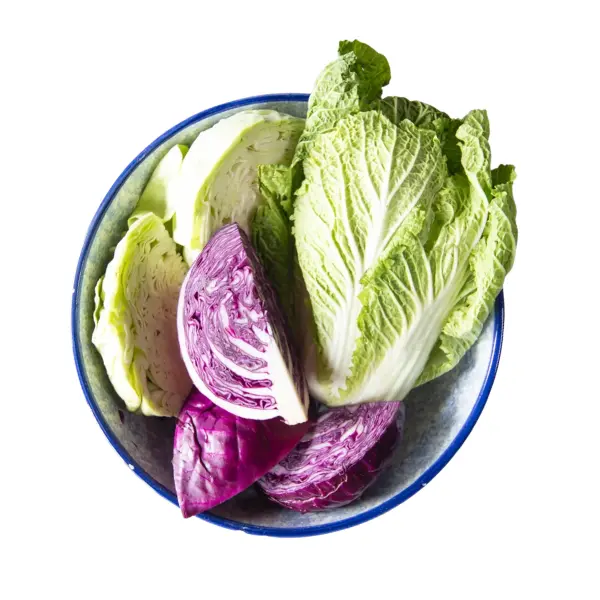
Despite sharing the name cabbage, napa cabbage (Brassica rapa subsp. pekinensis) is a different species from the green and white cabbage most common in Western cooking (Brassica oleracea). Napa cabbage is actually more closely related to turnip, bok choy, and other Brassica rapa relatives like mizuna and rapini than to Western cabbage. This explains its more elongated shape, thinner and more crinkled leaves, and milder, slightly sweeter flavor compared to round Western cabbage.
Napa cabbage is the base ingredient for kimchi, and fresh napa cabbage carries the same low-histamine profile as other fresh brassica vegetables. Fermenting napa cabbage into kimchi changes its histamine profile, but not entirely for the reason people assume: fermented fish products such as jeotgal or fish sauce can contribute substantial amounts of histamine to kimchi, in addition to the amines that can develop during the vegetable fermentation itself. Kimchi made without these ingredients can therefore have a lower histamine content than versions that contain them.
Does preparation change the risk?
Napa cabbage's histamine profile is consistent whether raw or cooked; fermented preparations are a separate consideration.
| Form | Risk Level | Notes |
|---|---|---|
| Fresh, raw or cooked | Low | Not associated with meaningful histamine content |
| Stir-fried / braised | Low | Same histamine profile as raw |
| Fermented (as in kimchi) | High | Both the vegetable fermentation itself and any fermented fish ingredients (jeotgal, fish sauce) can contribute amines; treat as a separate food from fresh napa cabbage |
Note: Risk levels are based on clinical observations and patient reports, not standardized histamine measurements. Individual tolerance varies.
A food score is a reference, not a verdict.
Histamine intolerance is highly individual. A food that triggers symptoms in one person may be tolerated by another, even within the same category.
Strict elimination may help reduce symptoms initially, but long-term progress often depends on gradual reintroduction and pattern recognition. The goal is not to remove more foods over time, but to understand your personal tolerance and expand your diet when possible.
Tracking symptoms, portions, and context such as stress or timing can provide insights that generalized food lists cannot. This is where informed decisions replace fear-based restriction.
How to test your tolerance
 It's not the same species as Western cabbage.
Napa cabbage is more closely related to turnip and bok choy than to green or red cabbage, despite the shared name.
 Treat kimchi separately.
Fresh napa cabbage carries a favorable histamine profile, but fermented preparations like kimchi are a fundamentally different food from a histamine standpoint.
 Preparation method is flexible.
Raw, stir-fried, or braised napa cabbage all share the same favorable histamine profile.
 Track your response if trying it new.
Even well-tolerated vegetables are worth a brief note in the MyHistaMap app when first introduced.
Common questions about Napa cabbage and histamine
Is napa cabbage high in histamine?
No. Napa cabbage is not associated with meaningful histamine content.
Is napa cabbage the same species as regular cabbage?
No, despite the shared name, napa cabbage is a different species, more closely related to turnip and bok choy than to Western green or red cabbage.
Does fresh napa cabbage share kimchi's histamine risk?
No. Kimchi involves fermentation and, in most recipes, fermented fish products like jeotgal or fish sauce, both of which can generate biogenic amines including histamine. Fresh napa cabbage and kimchi should be tracked as separate foods.
Can I eat napa cabbage raw?
Yes, raw and cooked forms share the same favorable histamine profile.
Some people find these options helpful

Supplements are optional tools, not a solution. Personal tracking and identifying your individual triggers remains the priority.
Where this information comes from
At MyHistaMap we curate information from peer reviewed research and recognized medical sources. This guide is a reference tool, not a medical prescription. Always track your own reactions and consult your healthcare provider.
References
- Phenolic Component Profiles of Mustard Greens, Yu Choy, and 15 Other Brassica Vegetables, Journal of Agricultural and Food Chemistry: confirms napa cabbage is Brassica rapa subsp. pekinensis, placing it in the same species as turnip and bok choy, while Chinese mustard greens belong to the separate species Brassica juncea.
- Kim, Dang & Ha, Effect of Various Seasoning Ingredients on the Accumulation of Biogenic Amines in Kimchi During Fermentation, Food Chemistry, 2022: found that fish sauce was a major initial source of histamine and other biogenic amines in kimchi, and that total biogenic amine content in kimchi made without fish sauce was 42 to 63% lower than in kimchi made with 5% fish sauce.