This content is for informational purposes only and does not constitute medical advice. Always consult a qualified healthcare provider before making dietary changes. Histamine tolerance is highly individual.
This information applies to histamine intolerance, DAO deficiency, and MCAS only. If you have a confirmed food allergy, this content does not apply to you. Food allergies involve the immune system and can be life-threatening. Please consult your allergist.
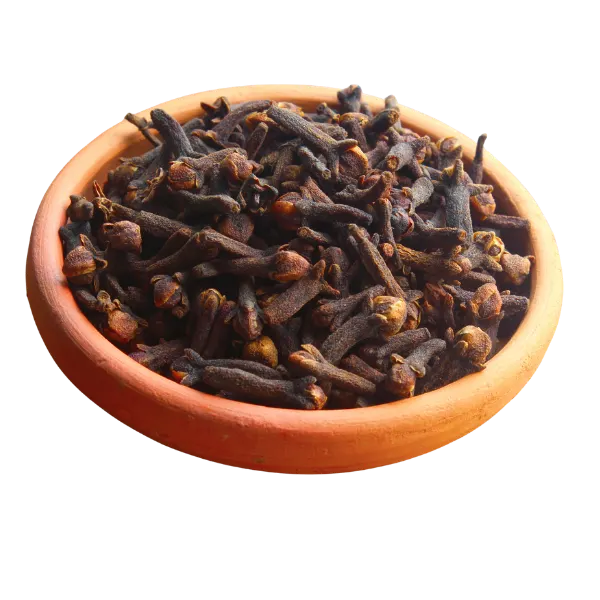
Is Cloves a trigger for histamine intolerance?
Cloves scores a 0 out of 3 on the SIGHI Food Compatibility List, placing it in the Safe category.
Cloves & Histamine, what the evidence says
Cloves are generally considered compatible with a low-histamine approach in small amounts.
Their most distinctive consideration is eugenol, the compound responsible for much of cloves' characteristic aroma and flavor. Eugenol has well-documented antiplatelet activity, with studies showing that it can inhibit platelet aggregation and reduce thromboxane formation. This is mainly relevant to people taking anticoagulant or antiplatelet medication who use cloves regularly, in larger amounts, or in concentrated forms such as clove oil or supplements, and may also be worth considering before scheduled surgery.
Concentrated clove oil carries a separate and more serious risk: several published case reports describe severe, sometimes life-threatening poisoning in infants and young children after ingesting clove oil, including cases of fulminant liver failure. These amounts were far beyond normal culinary use. The risk is specific to concentrated oil at high doses, not the small amounts of whole or ground cloves used in cooking, and it is a reason to keep clove oil, like other concentrated essential oils, safely out of reach of children.
Cloves are also high in salicylates. Their oxalate content is high when measured per 100 grams, but the small amounts typically used as a spice keep the actual intake relatively modest.
Does preparation change the risk?
Concentration and regularity of use matter significantly for cloves, both for medication interactions and for safety.
| Form | Risk Level | Notes |
|---|---|---|
| Whole or ground cloves, culinary amounts | Low | Generally compatible with a low-histamine approach; oxalate intake stays modest at typical spice amounts |
| ⚠️ Regular, larger, or concentrated use (including clove oil or supplements), if taking anticoagulant or antiplatelet medication | Moderate | Eugenol has documented antiplatelet activity; worth discussing with a healthcare provider, including before scheduled surgery |
| Concentrated clove oil, ingested (especially by infants or young children) | High | Case reports describe severe poisoning, including fulminant liver failure, from concentrated clove oil ingestion; keep out of reach of children |
Note: Risk levels are based on clinical observations and patient reports, not standardized histamine measurements. Individual tolerance varies.
A food score is a reference, not a verdict.
Histamine intolerance is highly individual. A food that triggers symptoms in one person may be tolerated by another, even within the same category.
Strict elimination may help reduce symptoms initially, but long-term progress often depends on gradual reintroduction and pattern recognition. The goal is not to remove more foods over time, but to understand your personal tolerance and expand your diet when possible.
Tracking symptoms, portions, and context such as stress or timing can provide insights that generalized food lists cannot. This is where informed decisions replace fear-based restriction.
How to test your tolerance
 Culinary amounts are the safer default.
Whole or ground cloves used the way they're typically used in cooking are a low-histamine option and keep other exposures modest.
 Check in if you take anticoagulant or antiplatelet medication.
Eugenol has documented antiplatelet activity. This mainly matters with regular, larger, or concentrated use, such as clove oil or supplements, and is worth mentioning before scheduled surgery.
 Keep clove oil away from children.
Concentrated clove oil has caused severe poisoning, including liver failure, in infants and young children after ingestion. Store it safely out of reach, as you would any concentrated essential oil.
 Don't worry about the per-100g oxalate figure.
Cloves are high in oxalate by weight, but the small amount used as a spice keeps actual intake relatively modest.
- Factor in salicylates separately.
Cloves are high in salicylates. If you're managing salicylate sensitivity alongside histamine, this is worth tracking.
 Track your response in MyHistaMap.
Log the form and amount of cloves used, especially if you take medications affecting blood clotting.
Common questions about Cloves and histamine
Are cloves high in histamine?
No, cloves are generally considered compatible with a low-histamine approach in small amounts.
Can cloves affect blood-thinning medication?
Eugenol, the main compound in cloves, has documented antiplatelet activity. This is mainly a consideration with regular, larger, or concentrated use, such as clove oil or supplements, rather than typical culinary amounts, and is worth mentioning before scheduled surgery.
Is clove oil safe?
Not in concentrated form, especially for infants and young children. Case reports describe severe poisoning, including fulminant liver failure, after clove oil ingestion. This risk is specific to concentrated oil at high doses, not culinary use of whole or ground cloves.
Are cloves high in oxalates or salicylates?
They're high in salicylates, and high in oxalate when measured per 100 grams, though the small amount used as a spice keeps actual oxalate intake relatively modest.
Some people find these options helpful





Supplements are optional tools, not a solution. Personal tracking and identifying your individual triggers remains the priority.
Where this information comes from
At MyHistaMap we curate information from peer reviewed research and recognized medical sources. This guide is a reference tool, not a medical prescription. Always track your own reactions and consult your healthcare provider.
References
- SIGHI (Swiss Interest Group Histamine Intolerance) Food Compatibility List: classifies cloves with a histamine score of 0, noting small amounts are well tolerated, with a lack of experience regarding larger quantities.
- Srivastava KC, Antiplatelet principles from a food spice clove (Syzygium aromaticum L), Prostaglandins Leukotrienes and Essential Fatty Acids, 1993: identifies eugenol and acetyl eugenol as antiplatelet compounds in clove oil, inhibiting platelet aggregation via thromboxane formation. The source for this page's eugenol/antiplatelet section.
- Eastham JH et al., Essential oil poisoning: N-acetylcysteine for eugenol-induced hepatic failure and analysis of a national database, Human & Experimental Toxicology, 2005: case report of a 15-month-old who developed fulminant hepatic failure after ingesting 10 mL of clove oil, part of a documented series of similar pediatric cases (including Lane et al., 1991, and a 3-month-old case reported in Journal of Toxicology: Clinical Toxicology, 2004). The source for this page's clove oil poisoning section.
- Eugenol (Clove Oil), LiverTox: Clinical and Research Information on Drug-Induced Liver Injury, National Institute of Diabetes and Digestive and Kidney Diseases: confirms eugenol at therapeutic/culinary doses has not been implicated in liver injury, but high-dose ingestion (overdose) can cause severe liver injury. The source for this page's distinction between culinary use and concentrated oil.
- Total and Soluble Oxalate Content of Some Indian Spices, Plant Foods for Human Nutrition, 2012: direct laboratory measurement placing cloves' oxalate content among the highest of ten spices tested. The source for this page's oxalate section.
- RPAH Elimination Diet Handbook, Swain, Soutter & Loblay, Royal Prince Alfred Hospital Allergy Unit: classifies cloves among herbs and spices high in salicylates. The source for this page's salicylate section.