This content is for informational purposes only and does not constitute medical advice. Always consult a qualified healthcare provider before making dietary changes. Histamine tolerance is highly individual.
This information applies to histamine intolerance, DAO deficiency, and MCAS only. If you have a confirmed food allergy, this content does not apply to you. Food allergies involve the immune system and can be life-threatening. Please consult your allergist.
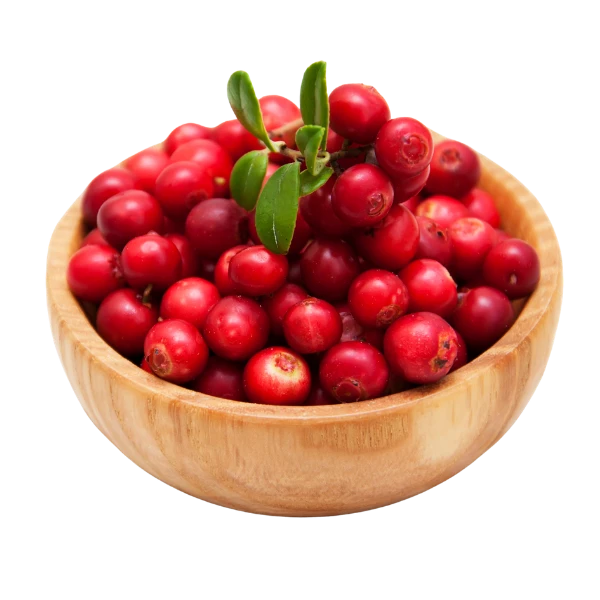
Is Cranberry a trigger for histamine intolerance?
Cranberry scores a 0 out of 3 on the SIGHI Food Compatibility List, placing it in the Safe category.
Cranberry & Histamine, what the evidence says
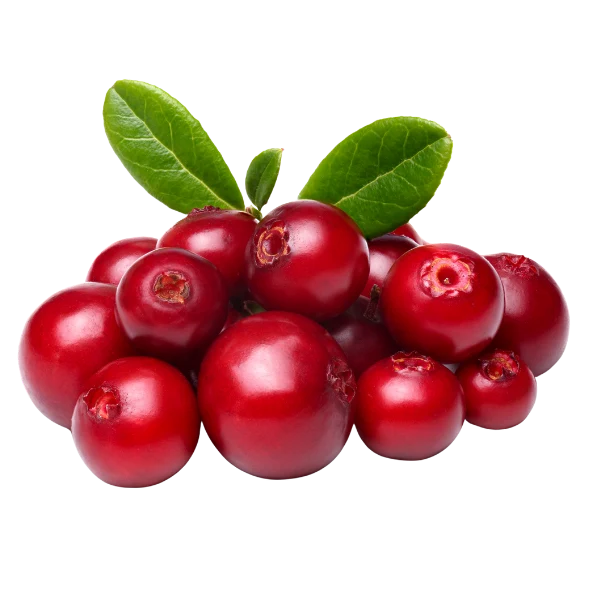
Cranberry is low in histamine and is generally well tolerated, whether fresh, frozen, or juiced.
Cranberry contains natural compounds that can make it harder for certain bacteria, including E. coli, to attach to the walls of the urinary tract. This effect has been shown in laboratory studies, but results in people have been mixed. Cranberry may help reduce the risk of recurrent urinary tract infections (UTIs) in some women, while studies in pregnant women and older adults in long-term care have produced inconsistent results. Cranberry isn't recommended for treating an active UTI.
Cranberry has also been studied for a possible interaction with warfarin, a blood-thinning medication. Some case reports have described an increase in the effects of warfarin when cranberry products were consumed at the same time, but other studies haven't found a significant interaction. The evidence remains conflicting.
Does preparation change the risk?
Cranberry's histamine profile stays low across fresh and lightly processed forms. Added sugar is a more relevant consideration for most people.
| Form | Risk Level | Notes |
|---|---|---|
| Fresh or frozen cranberries | Low | Naturally low in histamine and well tolerated by most people |
| Unsweetened cranberry juice | Low | Fine as a fresh, unfermented product |
| Dried cranberries | Low | Check the label for added sugar or oil, though the fruit itself isn't a histamine concern |
| Cranberry sauce or relish, stored several days | Moderate | As with most cooked fruit products, freshness matters more the longer it sits |
Note: Risk levels are based on clinical observations and patient reports, not standardized histamine measurements. Individual tolerance varies.
A food score is a reference, not a verdict.
Histamine intolerance is highly individual. A food that triggers symptoms in one person may be tolerated by another, even within the same category.
Strict elimination may help reduce symptoms initially, but long-term progress often depends on gradual reintroduction and pattern recognition. The goal is not to remove more foods over time, but to understand your personal tolerance and expand your diet when possible.
Tracking symptoms, portions, and context such as stress or timing can provide insights that generalized food lists cannot. This is where informed decisions replace fear-based restriction.
How to test your tolerance
 Mention it if you take warfarin.
Many people on warfarin find it helpful to let their doctor or pharmacist know if cranberry is a regular part of their diet, since the evidence on an interaction is conflicting.
 It isn't a treatment for an active UTI.
Cranberry's possible role is in prevention. A suspected urinary tract infection is a reason to seek medical care rather than rely on cranberry products.
 Check dried cranberries and juice for added sugar.
These products often contain a lot of added sugar, which is a separate consideration from histamine.
 Keep UTI claims in perspective.
Results vary between groups of people, so cranberry is better seen as a possible supportive habit than a guaranteed way to prevent infections.
 Enjoy it fresh or unsweetened.
Fresh, frozen, or unsweetened juice are simple ways to include cranberry in a low-histamine diet.
 Track it like any other low-histamine fruit.
Log cranberry in MyHistaMap the same way as other well-tolerated fruits.
Common questions about Cranberry and histamine
Is cranberry high in histamine?
No. Cranberry is low in histamine and generally well tolerated by people managing histamine intolerance.
Does cranberry prevent UTIs?
It may help reduce the risk of recurrent UTIs in some women, but results in other groups, such as pregnant women and older adults in long-term care, have been inconsistent. It isn't recommended for treating an active infection.
Can I drink cranberry juice if I take warfarin?
Some case reports describe a stronger warfarin effect with cranberry, while other studies found no significant interaction. Since the evidence is conflicting, it's worth discussing with your doctor or pharmacist.
Is dried cranberry the same as fresh for histamine purposes?
The fruit itself stays low in histamine either way. Dried cranberries often have added sugar, which is worth checking on the label.
Some people find these options helpful





Supplements are optional tools, not a solution. Personal tracking and identifying your individual triggers remains the priority.
Where this information comes from
At MyHistaMap we curate information from peer reviewed research and recognized medical sources. This guide is a reference tool, not a medical prescription. Always track your own reactions and consult your healthcare provider.
References
- SIGHI (Swiss Interest Group Histamine Intolerance) Food Compatibility List: rates cranberry 0 (compatible), with no histamine, amine, liberator, or blocker markers. The source for cranberry's histamine classification referenced on this page.
- González de Llano D et al. Anti-Adhesive Activity of Cranberry Phenolic Compounds and Their Microbial-Derived Metabolites against Uropathogenic Escherichia coli in Bladder Epithelial Cell Cultures. International Journal of Molecular Sciences, 2015: laboratory study identifying A-type proanthocyanidins in cranberry as the compounds mainly responsible for reducing E. coli adhesion to bladder cells. The source for the laboratory findings referenced on this page.
- Cranberry: Usefulness and Safety. National Center for Complementary and Integrative Health (NCCIH): states cranberry may help prevent symptomatic UTIs in some women but isn't recommended as a treatment for existing UTIs, notes inconsistent results in pregnant women and older adults in long-term care, and describes conflicting evidence on an interaction with warfarin. The source for this page's statements on clinical results and the warfarin interaction.