This content is for informational purposes only and does not constitute medical advice. Always consult a qualified healthcare provider before making dietary changes. Histamine tolerance is highly individual.
This information applies to histamine intolerance, DAO deficiency, and MCAS only. If you have a confirmed food allergy, this content does not apply to you. Food allergies involve the immune system and can be life-threatening. Please consult your allergist.
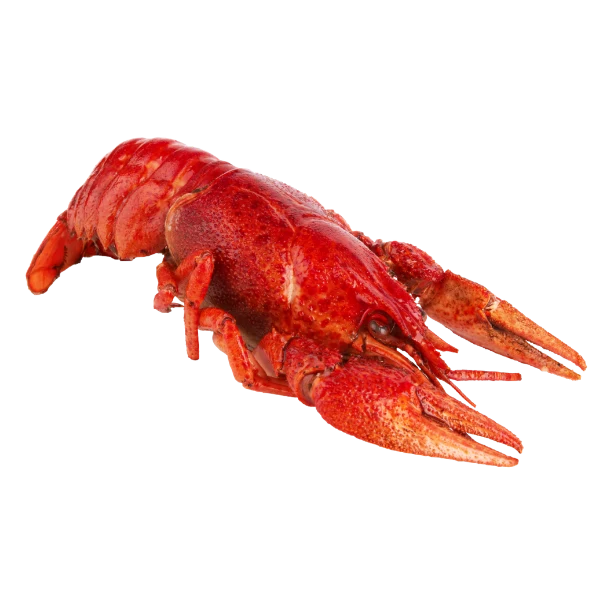
Is Crawfish / Crayfish a trigger for histamine intolerance?
Crawfish / Crayfish scores a 2 out of 3 on the SIGHI Food Compatibility List, placing it in the Moderate category. It is also classified on some reference lists as a potential histamine liberator. This reflects the reference list's classification rather than a confirmed mast-cell mechanism, since research specifically testing this hasn't provided strong support for it.
Crawfish / Crayfish & Histamine, what the evidence says
Crawfish is not associated with meaningful histamine content on compatibility reference lists.
It carries a genuine infection risk that has nothing to do with histamine. Eating raw, undercooked, or improperly preserved (pickled or salted) freshwater crawfish can transmit Paragonimus, a parasitic lung fluke that causes an infection called paragonimiasis. While most cases worldwide occur in parts of Asia, Africa, and Latin America, the parasite also exists in the United States, where a species called Paragonimus kellicotti infects crawfish in parts of the Midwest and South. A documented cluster of cases in Missouri involved several people who developed paragonimiasis after eating raw crawfish caught from local rivers.
Symptoms can begin within days of infection and may initially include diarrhea, abdominal pain, and fever. As the parasite migrates to the lungs, symptoms can include cough, chest pain, and coughing up blood, sometimes resembling tuberculosis.
Thorough cooking to at least 145°F (63°C) kills the parasite, so this risk applies specifically to raw or undercooked crawfish and improperly preserved preparations, not properly cooked crawfish.
Does preparation change the risk?
Cooking status is by far the most important variable for crawfish, and it's a parasitic infection risk rather than a histamine one.
| Form | Risk Level | Notes |
|---|---|---|
| Thoroughly cooked (145°F/63°C or higher) | Low | Not associated with meaningful histamine content; cooking kills the Paragonimus parasite |
| Raw or undercooked | High | Documented risk of paragonimiasis, a parasitic lung infection, unrelated to histamine |
| Pickled or salted (not cooked) | High | These preservation methods don't reliably kill the parasite |
Note: Risk levels are based on clinical observations and patient reports, not standardized histamine measurements. Individual tolerance varies.
A food score is a reference, not a verdict.
Histamine intolerance is highly individual. A food that triggers symptoms in one person may be tolerated by another, even within the same category.
Strict elimination may help reduce symptoms initially, but long-term progress often depends on gradual reintroduction and pattern recognition. The goal is not to remove more foods over time, but to understand your personal tolerance and expand your diet when possible.
Tracking symptoms, portions, and context such as stress or timing can provide insights that generalized food lists cannot. This is where informed decisions replace fear-based restriction.
How to test your tolerance
 Always cook crawfish thoroughly.
Cook to at least 145°F (63°C) to kill the Paragonimus parasite. This is a genuine safety step, not a histamine consideration.
 Pickling and salting aren't a substitute for cooking.
Raw crawfish preserved in vinegar, brine, or salt can still transmit the parasite responsible for paragonimiasis.
 This isn't just a risk abroad.
Cases have been documented in the United States, particularly linked to raw crawfish from rivers in the Midwest and South.
- Know the symptoms if you've eaten raw crawfish.
Early symptoms can include diarrhea, abdominal pain, and fever, followed weeks later by cough, chest pain, or coughing up blood. See a doctor if these develop after eating raw or undercooked crawfish.
 Track your response.
Log preparation method using MyHistaMap, especially if trying crawfish for the first time or from a new source.
Common questions about Crawfish / Crayfish and histamine
Is crawfish high in histamine?
No, crawfish is not associated with meaningful histamine content on compatibility reference lists.
Is it safe to eat raw crawfish?
No. Raw, undercooked, or improperly preserved (pickled or salted) crawfish can transmit Paragonimus, a parasitic lung fluke that causes paragonimiasis. This risk exists even in parts of the United States, not just abroad.
What are the symptoms of paragonimiasis?
Early symptoms can include diarrhea, abdominal pain, and fever within days of infection. As the parasite migrates to the lungs, symptoms can include cough, chest pain, and coughing up blood, sometimes resembling tuberculosis.
Does cooking crawfish eliminate this risk?
Yes. Cooking crawfish thoroughly to at least 145°F (63°C) kills the parasite. This risk applies specifically to raw, undercooked, or improperly preserved crawfish.
Some people find these options helpful





Supplements are optional tools, not a solution. Personal tracking and identifying your individual triggers remains the priority.
Where this information comes from
At MyHistaMap we curate information from peer reviewed research and recognized medical sources. This guide is a reference tool, not a medical prescription. Always track your own reactions and consult your healthcare provider.
References
- Clinical Overview of Paragonimiasis, CDC: confirms transmission through raw or undercooked crabs and crayfish, describes the symptom progression, and recommends cooking crabs and crayfish to at least 145°F (63°C) to prevent infection. The primary source for this page's paragonimiasis mechanism, symptoms, and cooking guidance.
- Human Paragonimiasis Following Ingestion of Raw Crayfish from Rivers in Missouri, Missouri Department of Health and Senior Services Health Advisory, 2010: documents a cluster of confirmed and probable paragonimiasis cases in Missouri, all linked to eating raw crawfish caught from local rivers, caused by Paragonimus kellicotti. The source for this page's documented U.S. case cluster.
- Paragonimus FAQs, CDC: confirms Paragonimus kellicotti is found in crayfish in the midwestern and southern United States, and that transmission occurs through raw, partially cooked, pickled, or salted crab or crawfish. The source for this page's note on pickled and salted preparations and U.S. geographic risk.